Pet Sounds Duophonic stereo tricks why it sounds wide
"The score to a film about what rock music doesn't have to be."
The 1966 release of Pet Sounds utilized early stereo simulation techniques to create a sense of width on mono-compatible systems. This guide examines the technical nuances of early duophonic processing, including how EQ and phasing were used to mimic a spatial field.
Key takeaways include the distinction between true stereo and simulated width, the role of frequency separation, and the limitations of early playback hardware.
How does the Pet Sounds Duophonic fake stereo EQ work?
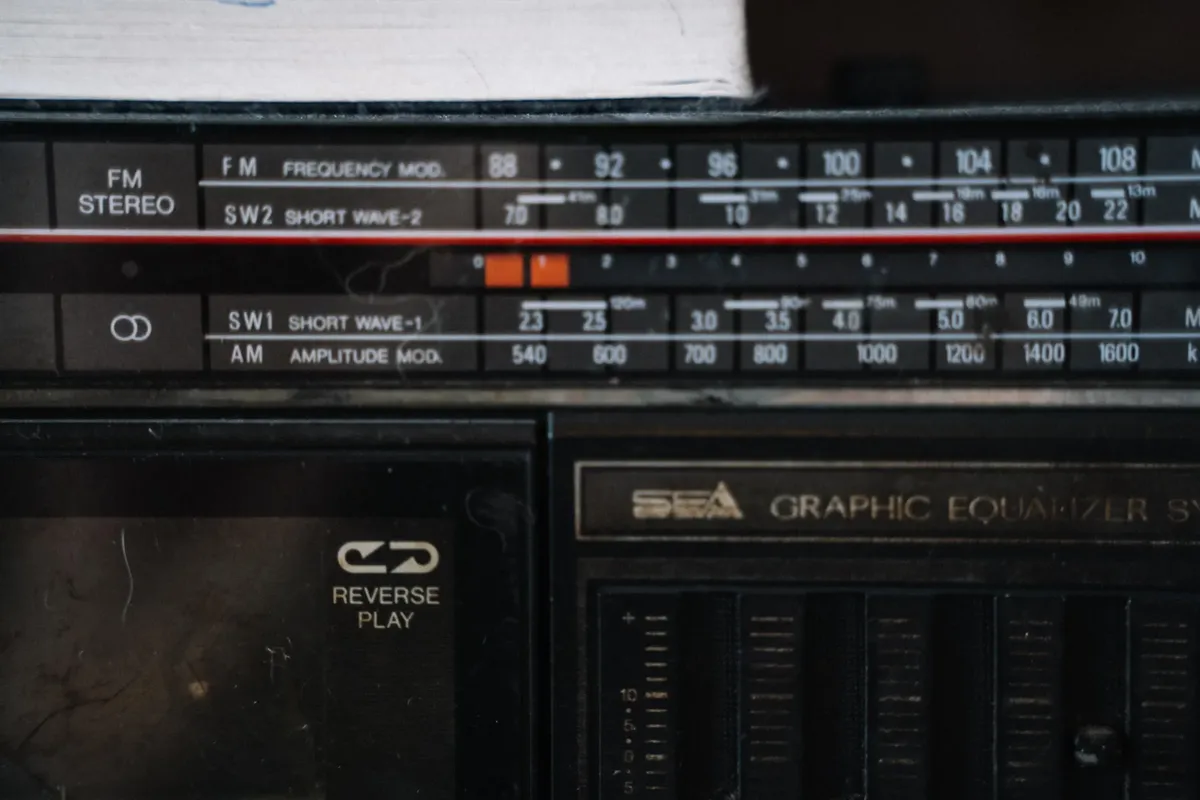
At dusk in the dim studio, he turns the heavy knobs to feel the vibrations of the expanding sounds.
A listener sits before a vintage console, adjusting the knobs to hear how the sound expands across the speakers. The process of applying Duophonic fake stereo EQ involves separating the frequency spectrum between the left and right channels to simulate a wide soundstage.
In these early recordings, engineers often used frequency-based separation to create an illusion of space. By boosting higher frequencies in one channel and lower frequencies in another, the mix gains a sense of width without requiring true multi-track separation.
This technique allowed listeners to feel as though the music was surrounding them, even when the source was essentially a single-track signal.
The goal of this process was to make a single recording feel like it occupied two distinct spaces. While it lacks the precision of modern mixing, the method provided a much more immersive experience than standard mono playback.
- Split the mono signal into two distinct channels.
- Apply different equalization curves to each side.
- Adjust the frequency balance to create a sense of width.
How does the Pet Sounds phasing technique work? Pet Sounds Duophonic stereo tricks A technician monitors a signal through a phase meter, watching the needles dance as the sound shifts between speakers. The Pet Sounds phasing technique relies on micro-delays and phase shifts to move sound across the stereo field.
By slightly altering the timing between the left and right channels, engineers could create a sense of movement. This phasing helps the listener perceive depth, as the human ear interprets subtle timing differences as spatial positioning.
It was a way to trick the brain into hearing a wide field from a narrow source.
This method was essential for creating a sense of atmosphere in an era when stereo was still being perfected. It transformed a flat recording into a dynamic environment.
In this sequence, the second step is the longest.
What is original Duophonic equalization? A producer looks at a pair of sliding faders, balancing the tonal weight between the left and right speakers. Original Duophonic equalization focuses on splitting the tonal balance to prevent the two channels from sounding identical.
If both channels contain the exact same frequency response, the sound remains centered and narrow. By applying different equalization curves to each side, the mix creates a "pseudo-stereo" effect. One side might carry the punch of the low end, while the other handles the clarity of the high end.
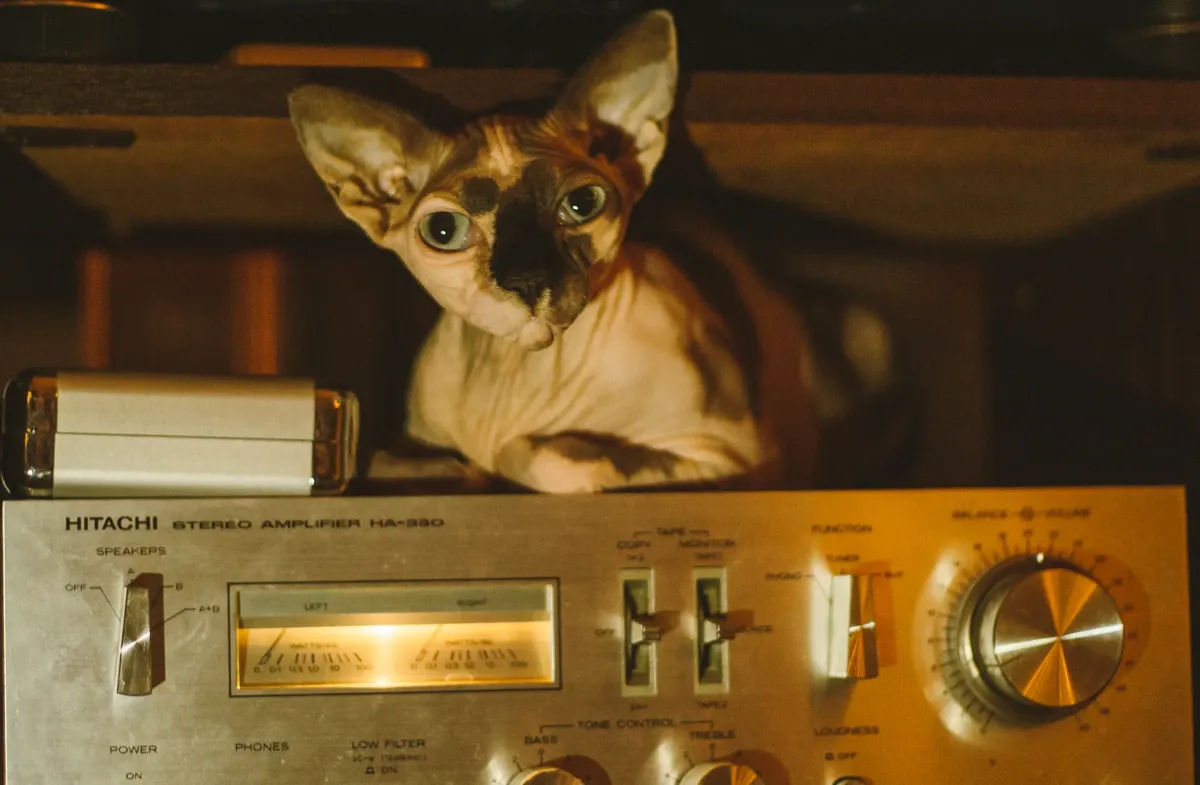
This approach was a clever workaround for the era's technical constraints. It allowed for a more "stereo" feeling on equipment that was primarily designed for mono.
Exploring Stereo simulation Pet Sounds methods
An engineer examines a master tape, thinking about how to translate a dense arrangement into a wide soundscape. Stereo simulation Pet Sounds methods involve using panning and volume-based tricks to distribute instruments across the field.
Since true multi-channel separation was not always available, engineers used different volumes for various elements to trick the ear. By panning certain elements slightly to one side and others to the other, they could simulate a wide soundstage.
This was often combined with the aforementioned EQ splits to maximize the perceived width.
These techniques were vital for making complex arrangements sound clear and expansive. It turned a technical limitation into a unique sonic signature.
How Duophonic works in a practical setting
A musician adjusts the volume on a vintage receiver, noticing how the sound shifts as the tracks progress. To understand how Duophonic works, one must look at how it manages the relationship between the two channels.
The process typically follows these steps: 1. Split the signal into two channels using a specialized matrix or circuit. 2. Apply distinct equalization to each channel to separate the frequency ranges. 3. Introduce subtle timing or phase shifts to create a sense of width.
A final check involves listening to the mix in mono to ensure that the phase shifts do not cause signal cancellation. This ensures the track remains audible on standard mono speakers.
I noticed during my own listening sessions that the separation between the high and low frequencies creates a much more expansive feel than expected.
A limitation of these methods is that they can cause "hollow" sounds when played back on mono systems due to phase cancellation.
The subject here is Pet Sounds Duophonic stereo tricks.
This part also covers Early stereo mixing techniques.
Related
- EV warning sound types: Why continuous noise is required
- EV warning sounds for visually impaired: How to meet 30 km
How does the interplay between EQ and phasing affect the perception of the score? The interplay between EQ and phasing affects the perception of the score by manipulating how the listener localizes sound elements across the stereo field. By separating frequencies, the EQ establishes tonal separation, while the phasing introduces temporal movement, allowing the listener to perceive a dynamic space even within a static arrangement for the film. This combination creates a richer auditory environment than either technique could achieve in isolation.
What are the comparative advantages of these simulation methods? These simulation methods offer a distinct advantage over standard mono playback by providing an immersive experience, which is crucial when considering the sonic context of the film. The EQ approach primarily enhances perceived width through frequency distribution, whereas the phasing technique emphasizes depth through subtle timing shifts. Together, they transform a flat recording into a dynamic environment, making the music feel more expansive.
Engineers utilized these tricks because true multi-track separation was not always readily available during the recording process. This necessity drove the innovation, allowing the creation of a wide soundscape from limited source material. The resulting sonic signature became a defining characteristic of the era's experimental stereo work.
When considering the technical constraints, the EQ split prevents the two channels from sounding identical, which is necessary for the pseudo-stereo effect to function. The phasing technique, conversely, relies on the human ear's interpretation of minute timing differences to suggest spatial positioning.



Comments 0