Pet Sounds CD bonus tracks guide to early digital sound
"Pet Sounds is the score to a film about what rock music doesn't have to be."
The 1990s transition to digital formats brought a unique perspective to the legendary album, specifically regarding the Pet Sounds CD debut tracks and their sonic characteristics.
This discussion focuses on the inclusion of unreleased material and the nuances of the original mono master sound quality during that era.
Key takeaways include an exploration of the album's artistic legacy, the specific nature of the bonus tracks, and the technical reality of early digital transfers.
What defines the Pet Sounds CD debut tracks?
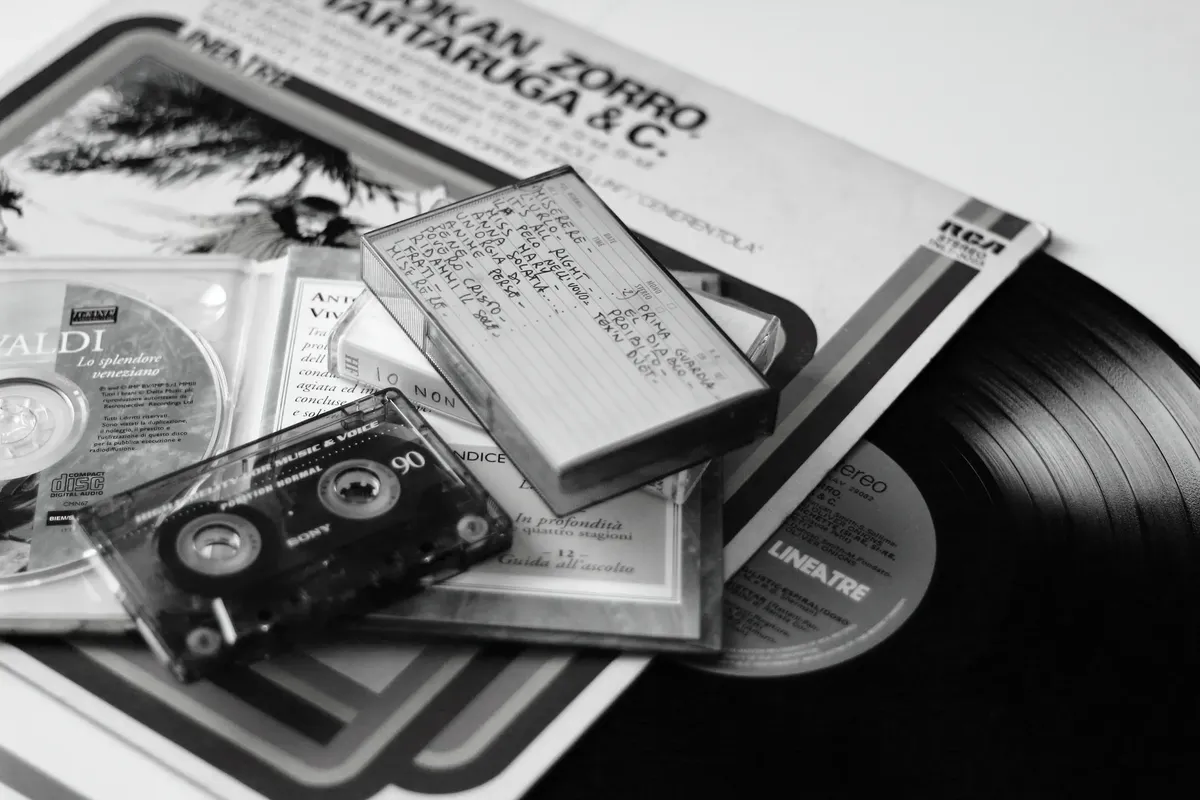
A collector holds a shimmering silver disc, watching the light catch the surface of a newly pressed album. The transition from vinyl to digital in the early 1990s meant that listeners encountered Pet Sounds CD bonus tracks that offered a different listening experience than the standard LP.
These early digital releases often sought to expand the listener's journey by including previously unreleased Pet Sounds songs that were not part of the original tracklist. While the core of the album remained intact, these additions provided a glimpse into the studio sessions that defined the era.
The presence of these tracks made the CD version a distinct historical document.
The emotional weight of the music remains the primary draw for fans of the era.
According to Luis Sanchez in his 2014-published book 33⅓ about Smile, Pet Sounds was described as "the score to a film about what rock music doesn't have to be." He praised its "inward-looking sentimentalism" and Brian Wilson's "sui generis" vision.
This artistic depth is what makes any version of the album, including the CD, a significant piece of music history.
How does the Mono master sound quality compare? Pet Sounds CD bonus tracks
Sitting at my wooden desk at midnight, I lean closer to the speakers to catch the sharp, punchy sounds of the mono master.
A listener adjusts the volume knob, listening intently to the tight, punchy percussion of a single-channel recording. Understanding the Mono master sound quality is essential for those comparing the digital transfer to the original analog intent.
The conversion of analog tapes to digital bitstreams often highlights the specific compression and warmth of the original recordings. For many enthusiasts, the Pet Sounds CD bonus tracks provided a way to hear the production techniques in a cleaner, albeit different, light.

The goal of these transfers was to preserve the integrity of the original arrangements while meeting the technical standards of the CD format.
The nuances of the mix are often more apparent in these early digital versions. Because the original recordings were heavily layered, the clarity of the digital medium allowed for a different perception of the instrumental separation.
This era of music history remains a point of study for those interested in how medium changes perception.
What makes the Unreleased Pet Sounds songs significant?
A researcher pulls a dusty archive folder, comparing the tracklist of an old LP to a modern digital booklet. The inclusion of Unreleased Pet Sounds songs on early CD pressings served as both a way to add value and a way to document the creative process.
These tracks often represented different takes or experimental pieces that did not fit the flow of the original LP. By including them, labels provided a comprehensive look at the era's production.
This became a primary reason for fans to seek out the digital versions over their existing vinyl collections.
The artistic vision behind the music remains the constant through every version. The unique qualities of the arrangements ensure that the music transcends the technology used to play it. Collectors often view these extra tracks as a bridge to the composer's original intent.
How to analyze Pet Sounds audio comparison?
An audiophile sits in a quiet room, switching between a turntable and a CD player to hear the subtle shifts in tone. Performing a Pet Sounds audio comparison requires a keen ear for both frequency response and the intended atmosphere of the music.
To conduct an effective comparison, one should follow these steps:
- Listen to the original analog medium to understand the baseline warmth and dynamic range of the era. 2. Switch to the digital CD version to identify how the bonus tracks and digital mastering affect the overall balance. 3. Verify the specific era of the pressing to account for different mastering houses and their unique digital signatures.

I remember sitting in my chair, moving between the spinning vinyl and the silent laser of the CD, trying to catch the exact moment the sound changed. This process helps clarify how much of the "sound" is in the music and how much is in the medium.
A limitation of this analysis is that the specific technical characteristics of the early 1990s transfers are not always documented in a way that allows for a universal comparison across all pressings.
This part also covers Pet Sounds CD remastering.
This part also covers Original Pet Sounds sound.
This part also covers Bonus tracks analysis.
Pet Sounds CD remastering
Related
- Wireless earbuds: Best value wireless earbuds guide tips
- Power transfer guide: 10 km diameter array safety
What challenges did the early digital transfers present? 1. The conversion process from analog tapes to digital bitstreams sometimes emphasized the inherent compression present in the original recordings. 2. Enthusiasts often used the Pet Sounds CD bonus tracks to examine production methods under the cleaner light provided by the digital format. 3. The primary aim of these transfers was to maintain the integrity of the initial arrangements while conforming to the technical specifications of the CD format.
The clarity afforded by the digital medium allowed for a distinct perception of instrumental separation because the original recordings featured heavy layering. This period of musical history remains a subject of examination for those interested in how changes in media affect auditory perception.
How does the artistic legacy relate to the technical aspects of the Sounds? The emotional resonance of the music continues to be the main attraction for listeners familiar with that period. Luis Sanchez noted that Pet Sounds functioned as "the score to a film about what rock music doesn't have to be." This artistic depth is what elevates any iteration of the album, including the CD, into a vital segment of musical history.
The unique qualities of the arrangements ensure that the music surpasses the technology utilized for its playback. Collectors often interpret these supplementary tracks as a pathway toward the composer's initial creative intent.
The study of these initial digital releases illustrates the extent to which the medium shapes our understanding of classic recordings.








Comments 0