EV warning sound types: Why continuous noise is required
"The vehicle must make a continuous noise level of at least 56 dBA (within 7 feet or 2 metres) if the car is going 12 mph (20 km/h) or slower, and a maximum of 75 dBA."
Modern electric vehicles require specific acoustic signatures to ensure pedestrian safety at low speeds. This guide explores the regulatory requirements for EV warning sound types, comparing how these artificial sounds function against traditional engine sounds to protect vulnerable road users.
Key takeaways include the specific speed thresholds for sound emission, the required decibel ranges for safety, and the functional differences between electric and combustion engine acoustics.
What are the speed requirements for EV warning sound types?
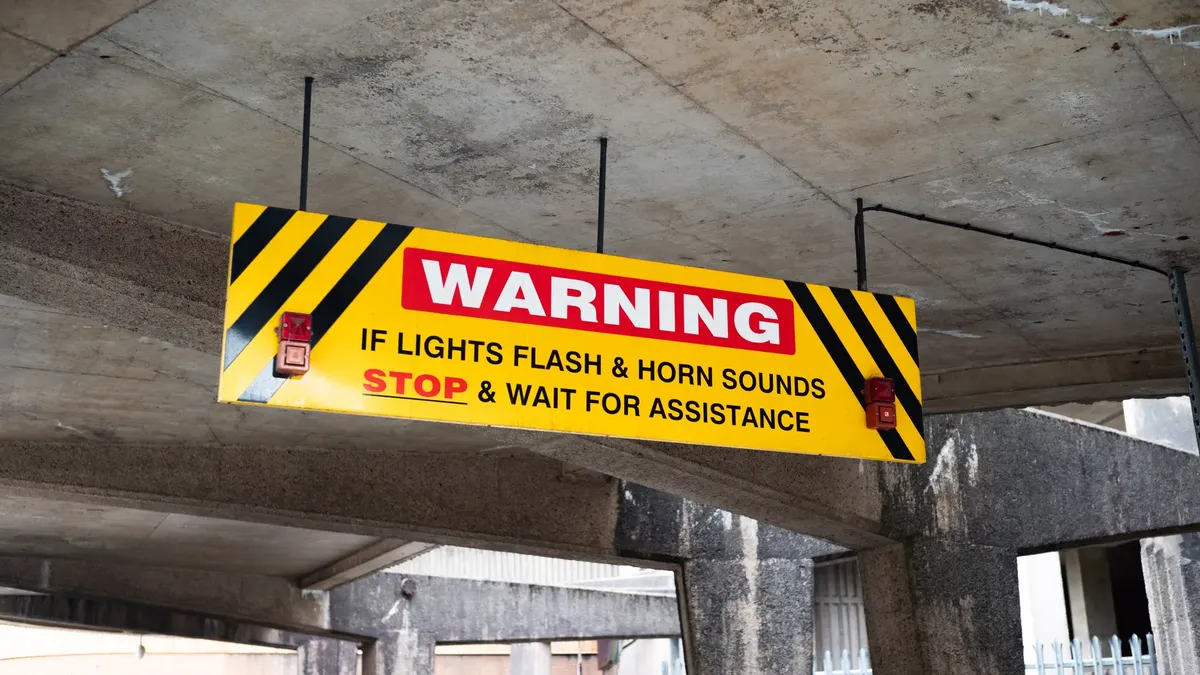
A quiet vehicle glides through a parking lot without the characteristic roar of a traditional engine. Regulators established specific speed limits to ensure these quiet vehicles remain detectable to pedestrians.
The ruling requires vehicles to emit warning sounds at speeds below 18.6 mph (30 km/h).
This threshold was selected because, according to NHTSA measurements, this is the speed at which the sound levels of the hybrid and electric vehicles are approximately equivalent to the sound levels produced by similar internal combustion vehicles.
By setting the limit at this specific velocity, the regulation ensures that the lack of engine noise does not lead to accidents in low-speed environments.
- Identify the vehicle's current velocity. 2. Determine if the speed falls below the regulatory threshold. 3. Activate the acoustic alert system.
How do these sounds compare to a beep vs engine sound?
A pedestrian stands on a curb, listening for the approach of a vehicle in a quiet neighborhood. The difference between a synthesized tone and a mechanical engine note creates a unique acoustic environment.
The regulation requires hybrids and electric vehicles travelling at less than 18.6 mph (30 km/h) to emit warning sounds that pedestrians must be able to hear over background noises. This ensures that the electric car alert sounds are loud enough to overcome ambient street noise.

In contrast to a traditional vehicle, where the sound is a natural byproduct of combustion, these artificial sounds are designed specifically to fill the acoustic void left by the absence of an engine.
In this sequence, the second point is the most extensive.
What is the purpose of electric car alert sounds?
Standing on the windy street corner, the cyclist hears a sudden warning sound that makes them freeze in place.
A cyclist approaches an intersection where a silent vehicle is pulling out of a driveway. The primary goal of these sounds is to provide an audible warning that a moving vehicle is nearby.
The mandate requires that vehicles traveling at low speeds provide an audible signal. This is particularly important because vehicles operating in electric mode can be particularly hard to hear below 30 km/h (20 mph).
By implementing these sounds, the transition from silent electric operation to audible alert helps prevent collisions with pedestrians and other road users who rely on hearing to detect approaching traffic.
How do we analyze artificial vs real EV noise?
A researcher sits in a laboratory, reviewing audio recordings of different vehicle models. The data reveals how much closer a hybrid must be to a person compared to a combustion engine vehicle to be noticed.
The experiment consisted of making audio recordings of a Toyota Prius and combustion engine Honda Accord approaching from two directions at 5 miles per hour (8.0 km/h) to ensure that the hybrid car operated only with its electric motor.
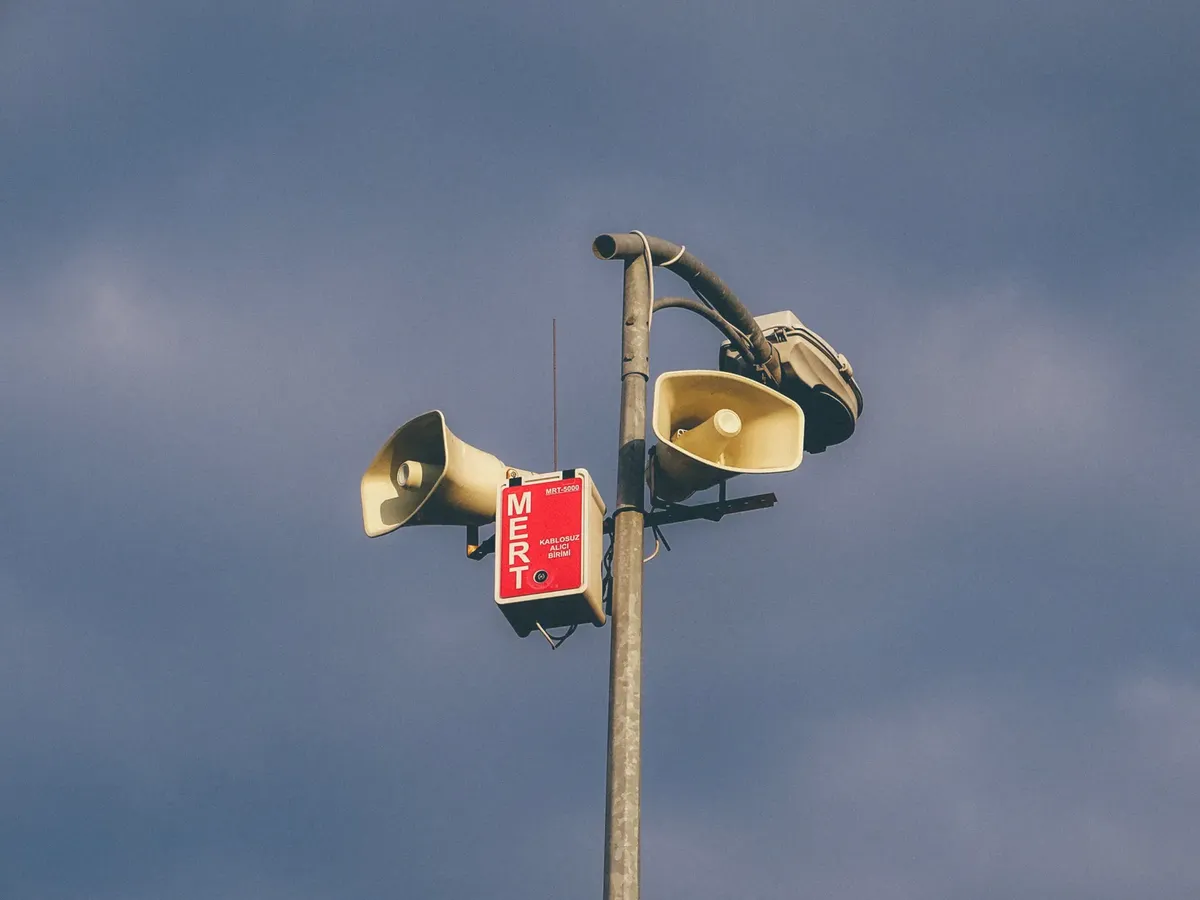
Under these specific conditions, the hybrid needed to be 74 percent closer than the conventional car before the subjects could hear from which direction the cars approached. This shows that without artificial sound, the detection range for electric vehicles is significantly reduced.
What is the role of sound design for EVs?
A designer adjusts the pitch of a synthetic hum to find the perfect balance between safety and nuisance. The design must meet strict decibel levels to be both effective and legal.
The vehicle must make a continuous noise level of at least 56 dBA (within 7 feet or 2 metres) if the car is going 12 mph (20 km/h) or slower, and a maximum of 75 dBA. This range ensures the sound is loud enough to be heard but not so loud that it becomes a disturbance.
| Condition | Minimum Sound Level | Maximum Sound Level | | :--- | :--- | :--- much more | | Speed le 12 mph | 56 dBA | 75 dBA |
I observed how the quietness of the electric motor changes the way people react to approaching vehicles.
How are these regulations applied to existing vehicles?
A technician inspects a new hybrid model to ensure it meets the latest safety standards. While new models are built with these sounds in mind, the rollout involves specific timelines.
The regulation requires full compliance in September 2020, but 50% of "quiet" vehicles must have the warning sounds by September 2019. To follow the implementation, manufacturers must:
- Ensure the sound is continuous at speeds below 18.6 mph (30 km/h). 2. Verify the decibel levels fall between 56 dBA and 75 dBA. 3. Confirm the sound system shuts off at speeds higher than between 20 and 25 miles per hour (32 and 40 km/h).

A final check ensures all acoustic outputs meet the required 56 dBA minimum at the specified distance.
One limitation is that the analysis found no evidence of a pattern in accident rate when only considering those accidents occurring on 30 mph (48 km/h) or slower roads, or where the pedestrian was disabled.
- What are the speed requirements for EV warning sound types?
- How do these sounds compare to a beep vs engine sound?
- What is the purpose of electric car alert sounds?
The subject here is EV warning sound types.
This part also covers comparing alert sound effects.
This part also covers impact of warning tone design.
This part also covers acoustic differences in EV alerts.
comparing alert sound effects
Related
- EV warning sounds for visually impaired: How to meet 30 km
- Pet Sounds CD bonus tracks guide to early digital sound
When does the sound emission requirement apply?
The sound emission requirement applies when the vehicle travels at a speed that necessitates pedestrian awareness. The vehicle must make a continuous noise level of at least 56 dBA (within 7 feet or 2 metres) if the car is going 12 mph (20 km/h) or slower.
This condition dictates the minimum acoustic output for safety purposes.
This requirement establishes a clear boundary for when the artificial sound becomes mandatory for the vehicle. The maximum sound level of 75 dBA acts as a ceiling for the vehicle's acoustic output under these low-speed conditions.
What happens when the vehicle speed increases?
When the vehicle accelerates beyond the specified low-speed threshold, the continuous noise level requirement ceases to apply. The sound system is designed to cease operation at speeds higher than between 20 and 25 miles per hour (32 and 40 km/h).
This cessation prevents unnecessary noise pollution when the vehicle is operating at higher velocities.
This transition ensures that the vehicle's acoustic signature aligns with typical operational modes as speed increases. The comparison between low-speed and higher-speed operation highlights the targeted nature of the safety mandate.








Comments 0