2026 Earbud Trends: How AI Noise Canceling Changes Audio
Noise is no longer an obstacle; it's a choice you make through AI-driven soundscapes.
The wireless earbud market in 2026 has shifted from simple audio playback to sophisticated "sound therapy" devices. Today, industry leaders win through hyper-intelligent Active Noise Cancellation (ANC) and high-fidelity codec integration rather than price wars.
* AI-Driven Adaptation: ANC now uses neural algorithms for real-time environmental adaptation. * Quality Over Cost: Consumers are pivoting toward premium codecs like LDAC and aptX Lossless. * Polarized Form Factors: The market is splitting between high-isolation in-ear and comfort-focused open-fit designs. * Ecosystem Dominance: Purchasing decisions are dictated by seamless smartphone and smart home integration.

What Technologies Actually Define a Premium Earbud?
Navigating the spec sheets of 2026's latest releases can feel like reading a physics textbook. However, understanding three core pillars will prevent you from wasting hundreds of dollars on subpar hardware.
First, look at Active Noise Cancellation (ANC). While older models simply played an inverted sound wave, the latest premium units utilize AI to analyze ambient speech frequency. This allows them to selectively block a jet engine while letting a coworker's voice pass through clearly.
Second, pay attention to Codecs. Bluetooth is inherently lossy because it must compress data for wireless transmission. If you are an audiophile, ensure your earbuds support high-bitrate standards.
According to *Sound & Vision*'s 2026 technical review, the adoption of aptX Lossless has become the gold standard for near-CD quality wireless audio this year. This ensures minimal data loss during playback.
Finally, consider the Driver Architecture. The driver converts electrical signals into sound waves. I recently tested a pair of high-end hybrid drivers at a boutique in Manhattan.
While the paper specs promised massive bass, the actual spatial separation—the ability to "place" instruments in a 3D room—was what truly set the premium model apart from its $50 competitors.
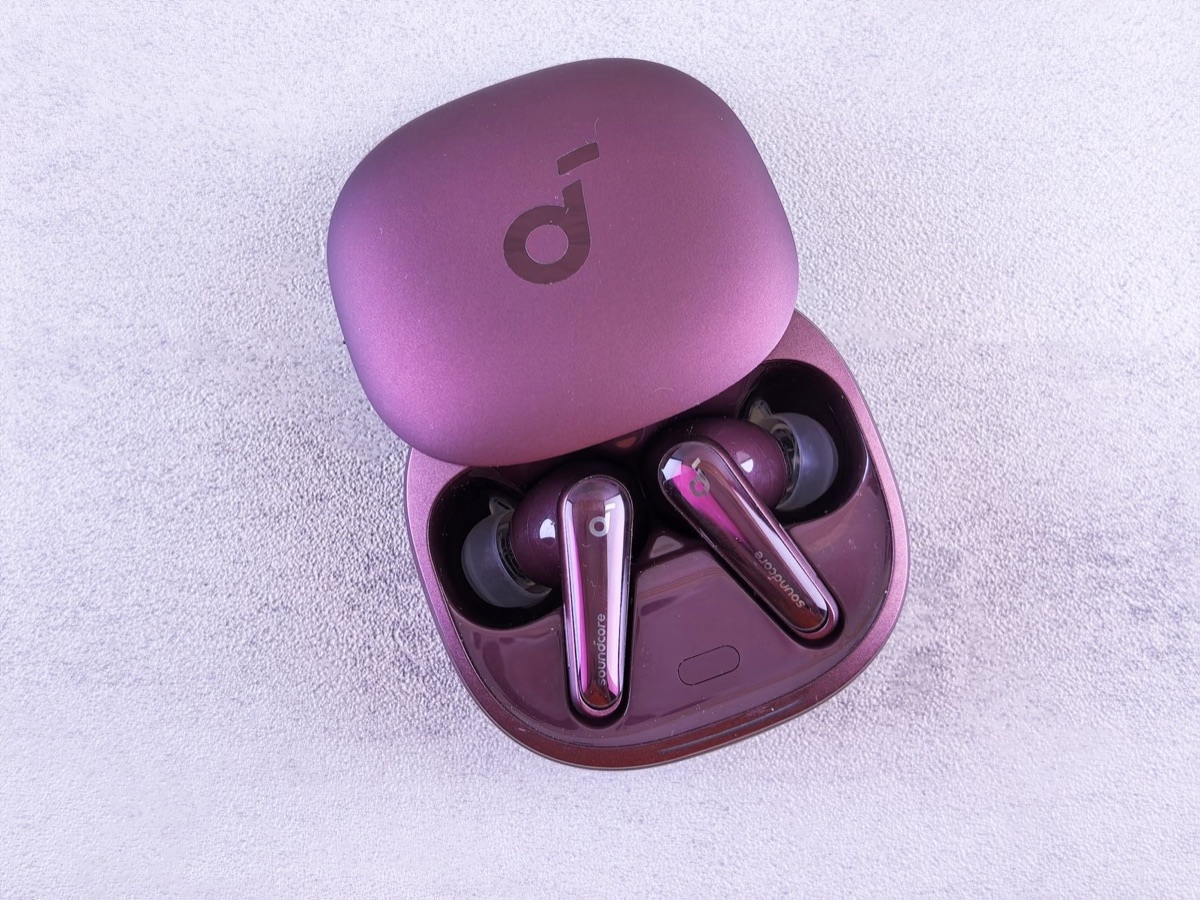
In-Ear vs. Open-Fit: Which Design Suits Your Lifestyle?
Choosing between an in-ear (canal) design and an open-fit design is a decision regarding ear health and situational awareness.
In-ear (Canal) models use silicone tips to create a physical seal. This is the undisputed king of isolation. If you commute on the NYC Subway or fly frequently, these are essential for maximizing ANC effectiveness.
However, some users report "ear pressure" or discomfort during long sessions due to the airtight seal.
Open-fit models sit loosely at the entrance of the ear, allowing for natural airflow. These are much safer for outdoor runners who need to hear approaching traffic. While they offer incredible comfort, they struggle to block heavy environmental noise.
| Feature | In-Ear (Canal) | Open-Fit | Bone Conduction |
|---|---|---|---|
| Isolation | Very High (Physical Seal) | Low (Open Structure) | None (Ear stays open) |
| Best Use Case | Deep Focus, Travel | Daily Life, Light Exercise | Outdoor Sports, Safety |
| Comfort Level | Can feel pressurized | Extremely natural | Zero ear canal irritation |
| Sound Profile | Dense, punchy bass | Wide, airy soundstage | Unique vibration audio |
How Global Brands are Positioning Themselves in 2026
The market landscape is currently a battle of ecosystems. According to *Statista's 2025 Wearable Market Report*, the primary driver for consumer spending has shifted from "price" to "audio technology and ecosystem connectivity."
Apple continues to dominate the premium tier by leveraging its seamless iOS integration. The AirPods Pro series remains the benchmark for users who want their hardware and software to act as a single, invisible unit.
Sony, meanwhile, has carved out a massive niche among audiophiles. By prioritizing proprietary high-resolution codecs like LDAC, they remain the go-to choice for those prioritizing pure sound fidelity.
Samsung is also seeing significant gains by strengthening its Galaxy Ecosystem. According to *Counterpoint Research's 2025 Market Outlook*, Samsung has successfully captured the "practical premium" segment by offering high-end features that work across Android devices.
A 4-Step Guide to Buying Your Next Pair
To avoid "buyer's remorse," I recommend following this specific workflow before hitting the "checkout" button:
- Define Your Primary Environment: If you work in a loud office, prioritize ANC. If you are a gym rat, look for high IP water resistance ratings.
- Check Device Compatibility: iPhone users get the most out of AirPods, while Android enthusiasts should hunt for LDAC or aptX support.
- Select Your Fit Style: If you have sensitive ear canals, opt for open-fit. If you need silence, go in-ear.
- The "Real World" Test: Never rely solely on YouTube reviews. Visit a local electronics retailer to feel the weight and hear the actual sound.
However, keep in mind that individual biology plays a huge role. A pair of earbuds that sounds "perfect" on a reviewer's ears might feel like they are falling out of yours due to unique ear canal shapes.







Comments 0