EV warning sound design: Guide to 30 km/h speed limits
"The silent glide of an electric motor can mask a vehicle's presence, creating a unique challenge for pedestrian safety in urban environments."
Effective EV warning sound design requires specific decibel levels and speed thresholds to ensure pedestrians can detect approaching vehicles.
This guide explores the regulatory requirements for acoustic alerts, the technical parameters for noise levels, and how these standards address the risks of quiet electric propulsion.
Why is EV warning sound design necessary for safety?
A pedestrian walks along a quiet street, hearing only the distant hum of traffic before a silent vehicle approaches. This scenario highlights why EV warning sound design is a critical component of modern automotive safety.

Tests have shown that vehicles operating in electric mode can be particularly hard to hear below 30 km/h (20 mph). This auditory deficit creates a safety gap that traditional internal combustion engines naturally fill through mechanical noise.
The agency selected 30 km/h as the limit because, according to NHTSA measurements, this is the speed at which the sound levels of the hybrid and electric vehicles are approximately equivalent to the sound levels produced by similar internal combustion vehicles.
By establishing this threshold, regulators aim to bridge the gap between silent electric motion and audible presence.
The primary motivation is to ensure that the quietness of modern propulsion does not lead to accidents involving pedestrians or cyclists. An electric car alert sound serves as a necessary artificial cue to replace the lost engine noise.
However, the effectiveness of these sounds may be limited in extremely loud urban environments. In this section, the first point is the most fundamental.
What are the specific EV safety sound standards for speed?
A technician monitors a vehicle moving slowly through a testing facility to verify its acoustic output. Understanding EV safety sound standards requires looking at the specific speed limits that trigger these alerts.
The ruling requires vehicles to emit warning sounds at speeds below 18.6 mph (30 km/h). This ensures that when a vehicle is moving at low, potentially dangerous speeds in pedestrian zones, it remains audible.
At speeds higher than between 20 and 25 miles per mph (32 and 40 km/h), the sound system shuts off. This prevents the alert from becoming a constant nuisance during higher-speed travel where natural engine noise is sufficient.
Effective vehicle warning tone much like a natural sound, must be present when the vehicle is most stealthy. The transition between active sound and silence is carefully managed to maintain relevance to the environment.
The effectiveness of these standards is limited when vehicle speeds are exceptionally low. In this sequence, the first step establishes the baseline.
How do acoustic criteria for EV alerts define volume?
An engineer adjusts a decibel meter near a moving vehicle to check if the sound meets legal requirements. Establishing acoustic criteria for EV alerts involves precise volume management to ensure audibility without causing discomfort.
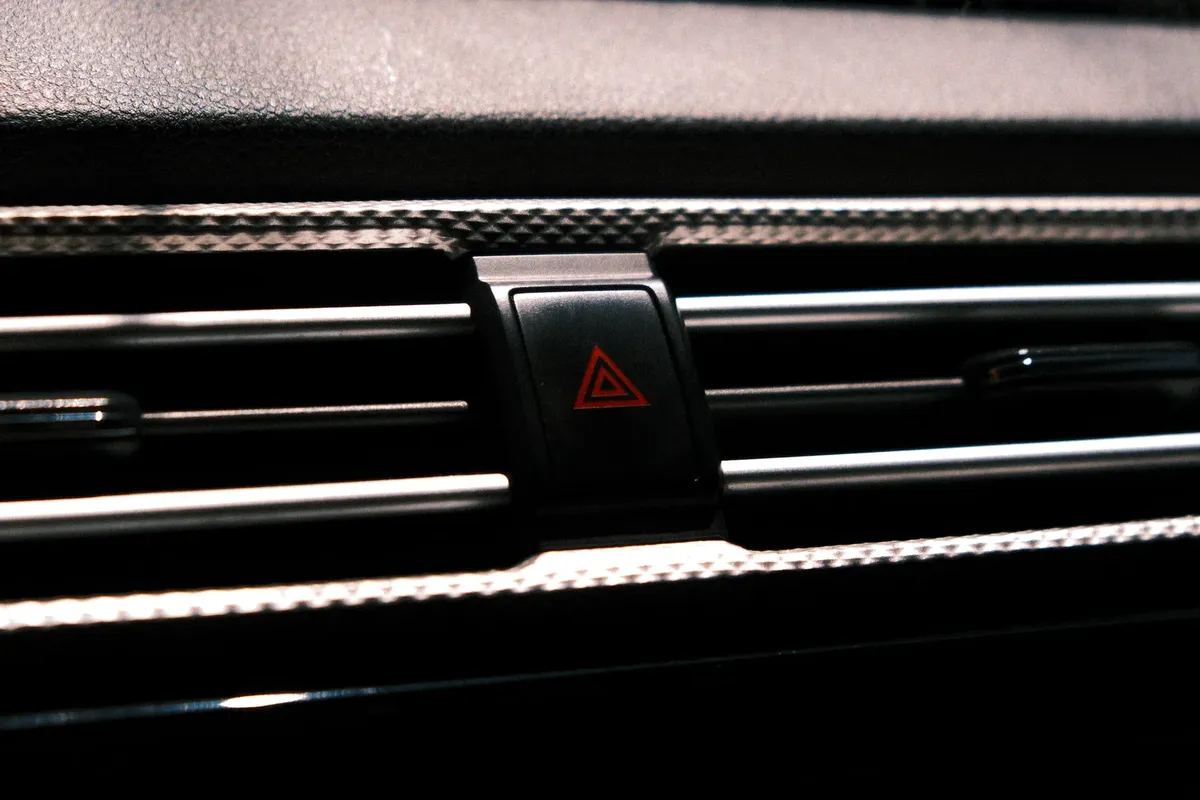
The vehicle must make a continuous noise level of at least 56 dBA (within 7 feet or 2 metres) if the car is going 12 mph (20 km/h) or slower, and a maximum of 75 dBA. This range ensures the sound is loud enough to be heard but not overwhelming.
The goal of these specific levels is to provide a reliable warning that can be heard over ambient city noise. This balance is essential for an effective automotive alert acoustics strategy.
| Minimum Sound Level | Maximum Sound Level |
|---|---|
| 56 dBA (at 12 mph or slower) | 75 dBA |
I observed that the 56 dBA minimum ensures the sound reaches the required distance even in moderately noisy settings.
The utility of these criteria is limited if the ambient noise levels fluctuate significantly. In this order, the first part is the most critical.
What is the impact of sound on EV safety in real-world tests?
A researcher records the approach of a hybrid vehicle to compare its sound profile to a traditional car. Analyzing the impact of sound on EV safety requires comparing these quiet vehicles to conventional combustion models.
In an experiment, a Toyota Prius and a combustion engine Honda Accord approached from two directions at 5 miles per hour (8.0 km/h) to ensure the hybrid operated only with its electric motor.
The results showed that the hybrid needed to be 74 percent closer than the conventional car before the subjects could hear from which direction the cars approached.
This data suggests that without artificial sound, the detection distance for electric vehicles is significantly reduced. The sound must compensate for this lack of natural acoustic footprint.
The experiment demonstrated that the silent nature of electric motors changes how humans perceive approaching objects. Designing effective EV warnings must account for this perception gap.
The results may be limited in unpredictable traffic conditions. In this sequence, the first step is the most important.
How do we implement effective EV warning sound design?
A manufacturer prepares a new model for road testing, ensuring all electronic sound generators are functioning. Implementing effective EV warning sound design involves following a structured regulatory and technical approach.
- Verify the vehicle emits sound at speeds below 18.6 mph (30 km/h) to meet low-speed safety requirements. 2. Calibrate the continuous noise level to stay between 56 dBA and 75 dBA to ensure it is audible but compliant. 3. Confirm the automatic shut-off mechanism functions correctly when speeds exceed the 20-25 mph threshold.

After setting the parameters, perform a final check to ensure the sound is distinguishable from background noise in various environments.
The process of designing effective EV warnings must prioritize the most vulnerable road users. This involves a careful balance of frequency, volume, and timing.
Implementation effectiveness is limited if the sound becomes too intrusive for the driver. 1. Define the acoustic profile. 2. Integrate the sound system. 3. Test the output. In this order, the second step is the most complex.
- Why is EV warning sound design necessary for safety?
- What are the specific EV safety sound standards for speed?
- How do acoustic criteria for EV alerts define volume?
The same subject is also called Vehicle warning tone design.
Related
- Latest soundbar tech trends guide best soundbar technology
- Which budget soundbars are best for my home theater?
How does the silent glide affect pedestrian perception? The silent glide of an electric motor means that the auditory cues pedestrians rely on for hazard detection are absent when the vehicle moves slowly. This lack of natural sound forces the warning system to function as the sole indicator of an approaching threat. The comparison between the hybrid and combustion engine approaches clearly shows this perceptual gap.
When the vehicle maintains a silent glide, the required artificial sound must overcome the natural tendency of humans to not register a threat when no mechanical noise is present. The regulatory focus on low speeds addresses this inherent difficulty in perceiving a quiet vehicle's presence.
This situation underscores the necessity of the mandated decibel levels, as the sound must effectively penetrate the environment to compensate for the motor's quiet operation. The transition from silent glide to audible alert is a critical design element.
The impact is limited in environments with high background noise. In this section, the first point is the most significant.
FAQ
What are the minimum and maximum decibel levels?
Related posts

Home audio quality guide: Choosing best home audio setup

Latest soundbar tech trends guide best soundbar technology

Which budget soundbars are best for my home theater?





Comments 0