Home audio quality guide: Choosing best home audio setup
"Every year millions of electrical and electronic devices are discarded..."
Managing the lifecycle of your audio equipment is as vital as selecting the right speakers for your living room. This guide helps you understand how to match high-performance gear with your specific needs while considering the environmental impact of electronic waste.
We will explore how to choose hardware, the importance of durability, and the realities of recycling.
How can I choose the right home audio quality guide?
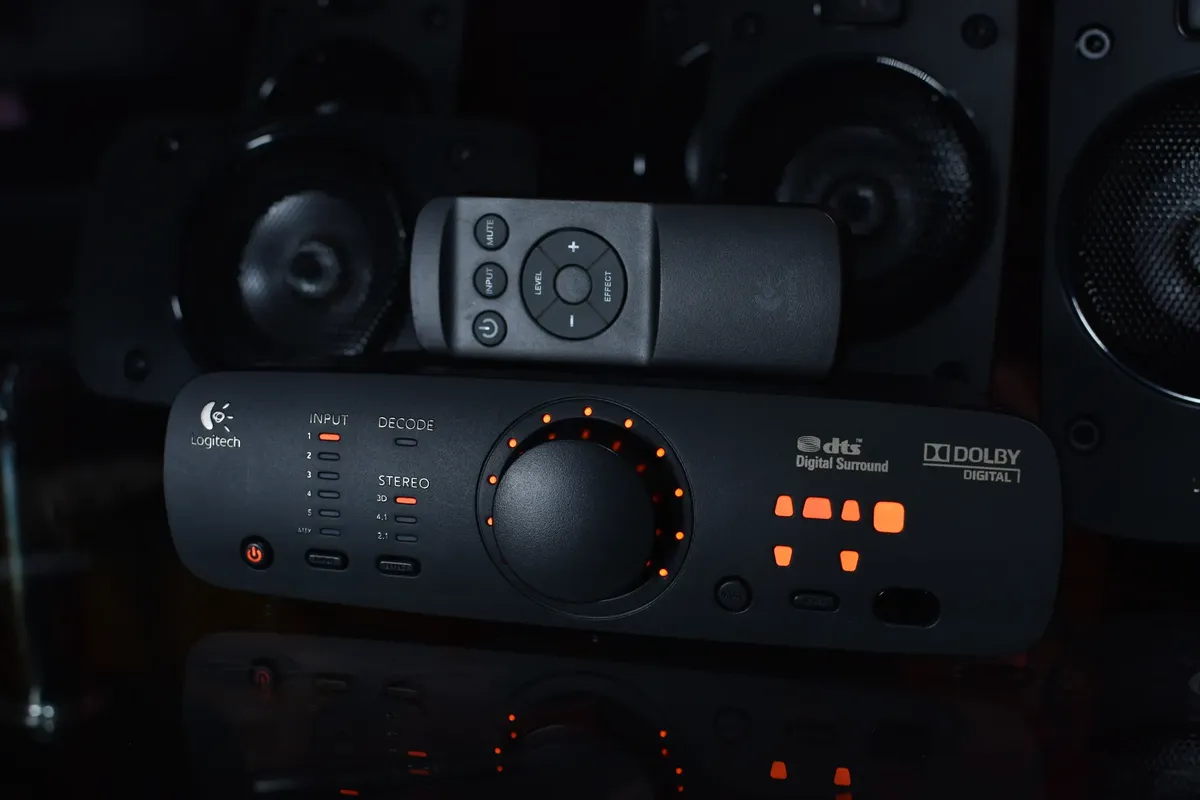
A person stands in a quiet living room, adjusting the position of a tall speaker stand to find the perfect acoustic sweet spot. Selecting the right equipment begins with understanding your specific space and listening habits.
A high-quality home audio quality guide focuses on matching the frequency response of your speakers to the dimensions of your room. You must consider whether you need a wide soundstage for critical listening or a compact setup for casual background music.
Choosing high-fidelity components ensures that the sound remains clear across various volumes.
Effective sound quality for home use depends on much more than just the brand name of the amplifier. You should evaluate the power output to ensure it can drive your chosen speakers without distortion. A well-planned system balances the hardware to prevent clipping or muddy low-end response.
What are the basics of a best home audio setup?
An enthusiast sits at a wooden desk, carefully plugging a gold-plated RCA cable into a heavy vacuum tube amplifier. Building a system requires a logical progression from source to transducer.
The best home audio setup starts with a reliable source, such as a high-resolution streamer or a turntable. Next, you need an integrated amplifier or a pre-amp and power-amp combination to manage signal strength.
Finally, the speakers act as the voice of the system, converting electrical signals into physical sound waves.
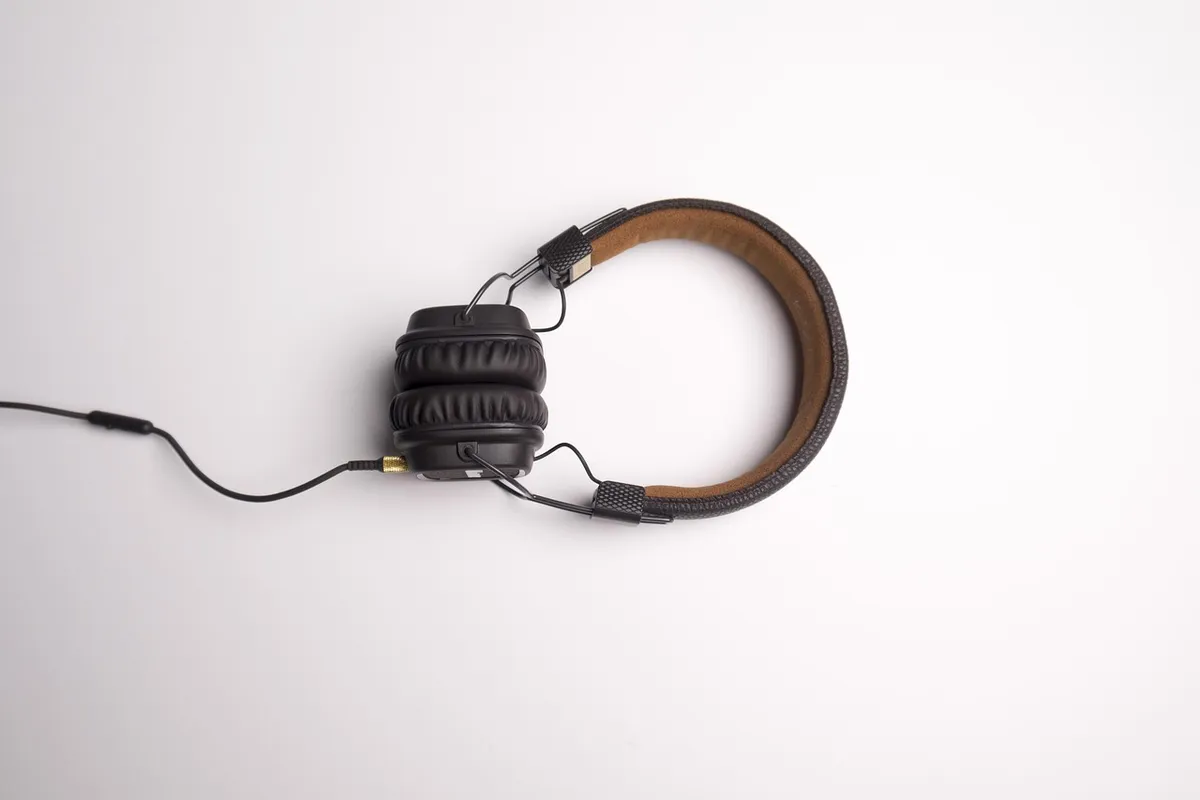
When planning your layout, consider the placement of cables to avoid electromagnetic interference. A successful setup integrates the components into your lifestyle without overwhelming the room's aesthetics.
How do I navigate an audio gear matching guide?
A technician uses a multimeter to check the impedance of a speaker cable, ensuring the connection is secure before testing the circuit. Matching components is a technical process that requires attention to electrical specifications.
An effective audio gear matching guide teaches you to look at impedance and sensitivity levels. If the speaker impedance is too low, your amplifier might overheat or fail to provide clean power.
Conversely, if the sensitivity is low, you may need a much more powerful amplifier to achieve adequate volume.
Matching audio to room size is another critical factor in this process. Large towers might overwhelm a small bedroom, while small bookshelf speakers might struggle to produce sufficient bass in a large hall.
Why is understanding sound quality for home use important?
A listener closes their eyes, leaning back in a leather chair as the subtle nuances of a violin concerto fill the room. Quality sound is about emotional connection and clarity.
Reliable sound quality for home use means hearing the music exactly as the artist intended. This involves minimizing noise floors and ensuring that the harmonic structure of the music is preserved. High-end components aim to reproduce these nuances with minimal coloration.
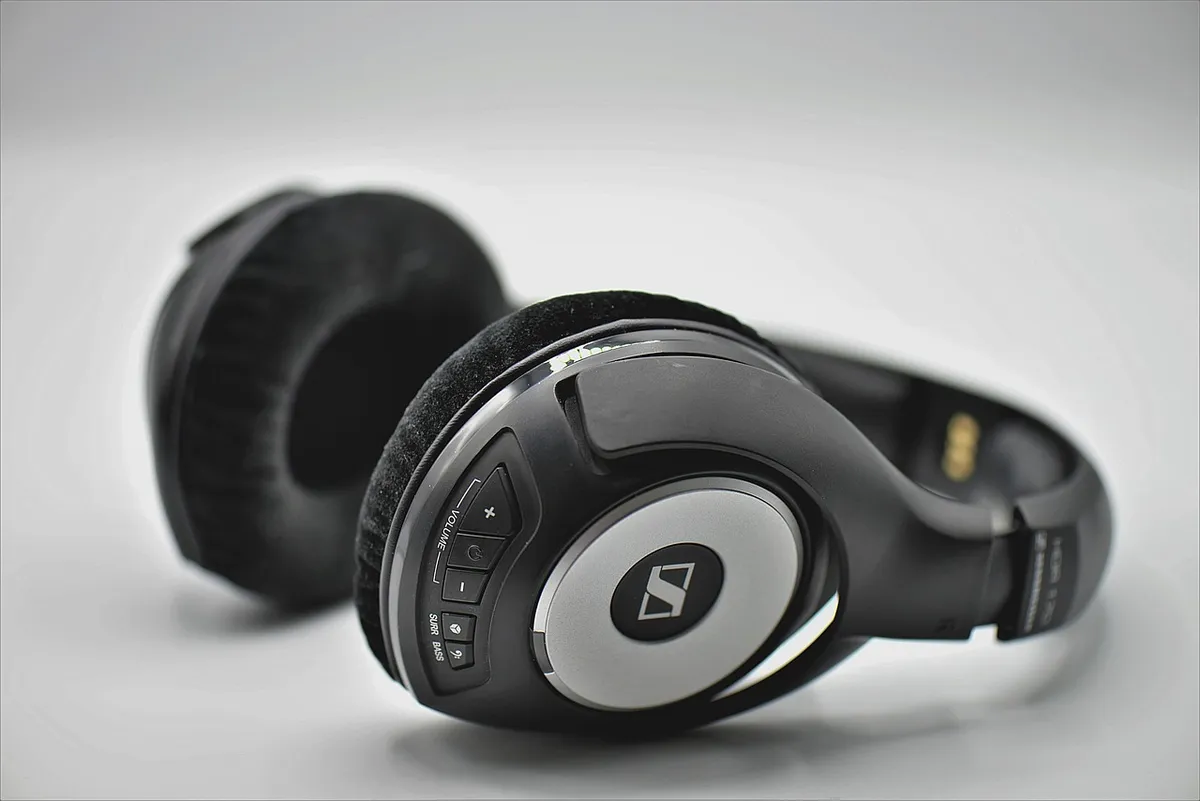
A budget audio system guide often suggests starting with high-quality headphones or smaller desktop speakers. This allows you to build a foundation of clarity before investing in larger, more expensive room-filling systems.
What are the environmental considerations of choosing home speakers?
An individual looks at an old, dusty amplifier in a garage, wondering if it can still be used or if it should be sent to a processing center. The lifecycle of audio equipment involves significant material usage.
High-fidelity home sound often requires heavy metals and specialized plastics. As technology advances, older devices may become obsolete, leading to the disposal of functional but outdated hardware. Understanding the material composition of your gear helps in making sustainable decisions.
| Feature | Impact Factor |
|---|---|
| Material Durability | Longevity of use |
| Recyclability | Ease of processing |
I once compared an old heavy-duty amplifier to a modern lightweight unit, noting how much more metal the older model contained. This comparison highlights the trade-off between vintage durability and modern efficiency.
How do I manage electronic waste from my audio gear?
A worker at a sorting facility carefully separates copper wiring from plastic housings to prepare them for reprocessing. Proper disposal is the final step in the ownership of any electronic device.
When your equipment reaches the end of its life, follow these steps:
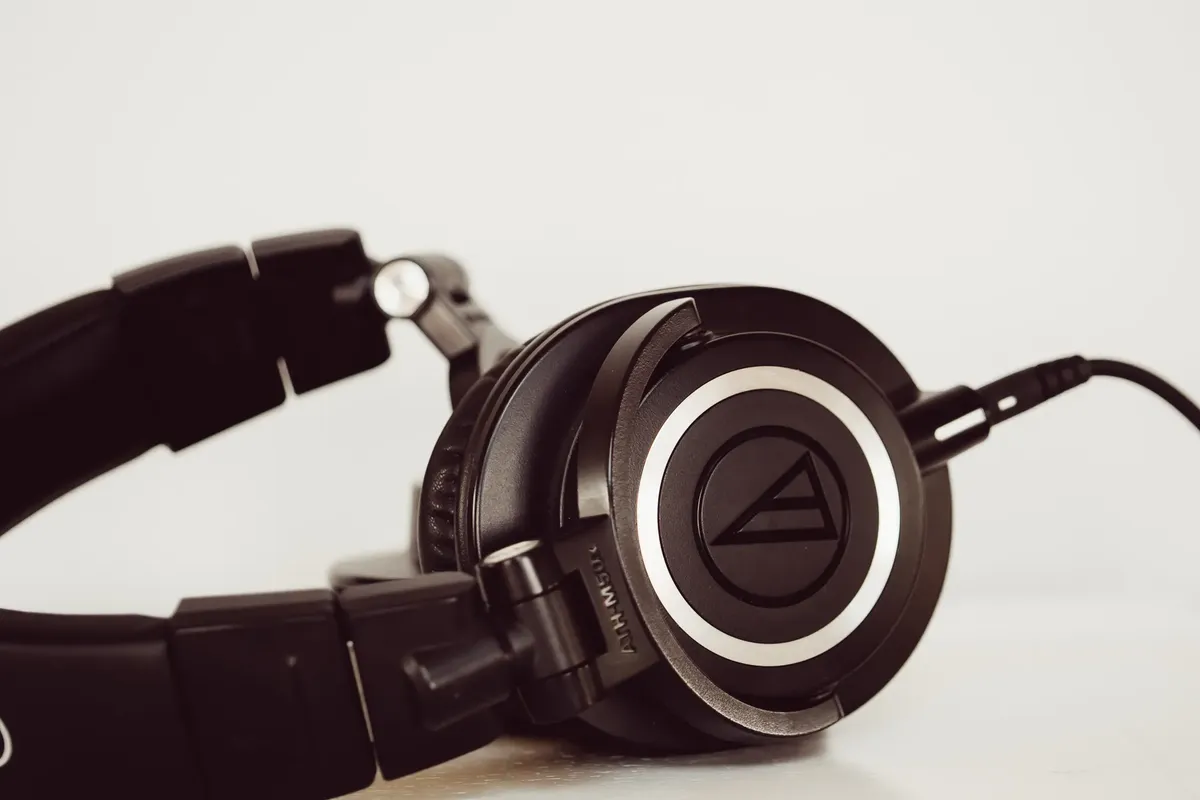
- Check if the component can be repaired or refurbished to extend its useful life. 2. Separate the device into its primary material components if possible. n3. Locate a certified e-waste recycling center in your local area.
Always verify the local regulations for electronic disposal. A limitation of recycling is that for some types of plastic, the same piece of plastic can only be recycled about 2–3 times before its quality decreases to the point where it can no longer be used.
- How can I choose the right home audio quality guide?
- What are the basics of a best home audio setup?
- How do I navigate an audio gear matching guide?
Matching audio to room size
Related
- EV warning sound design: Guide to 30 km/h speed limits
- Latest soundbar tech trends guide best soundbar technology
What are the practical steps for component matching? Matching components requires careful consideration of how electrical specifications interact within a system. For example, the amplifier's power output must be sufficient to handle the speaker's required impedance without causing undue strain. If the sensitivity is low, the amplifier needs greater power to achieve the desired volume level. This process ensures the sound remains clear across various volumes.
When should I prioritize durability over initial cost? Prioritizing durability means selecting hardware built to withstand the rigors of long-term use. A component's material durability directly influences its longevity of use. This consideration supports the overall goal of reducing electronic waste because a longer-lasting device requires less frequent replacement.
When considering a budget audio system guide, remember that the initial investment in quality components can reduce future replacement costs. Starting with high-quality headphones allows a listener to establish a foundation of clarity before committing to larger room-filling systems.
This approach helps manage the lifecycle of the gear responsibly.
Every year, the sheer volume of discarded electronics presents a significant challenge to waste management systems. The material composition of the gear dictates how easily it can be processed after its useful life ends. Proper separation of materials is essential for effective recycling.
FAQ
How often are electronics discarded?
What is a limitation of material recycling?
Related posts

EV warning sound design: Guide to 30 km/h speed limits
Latest soundbar tech trends guide best soundbar technology
Which budget soundbars are best for my home theater?



Comments 0