Soundbar vs Bluetooth Speaker: Tips for Choosing Right Audio
"The right audio setup depends entirely on whether you seek a stationary cinematic experience or portable convenience."
Choosing between a soundbar and a Bluetooth speaker requires balancing room coverage against mobility.
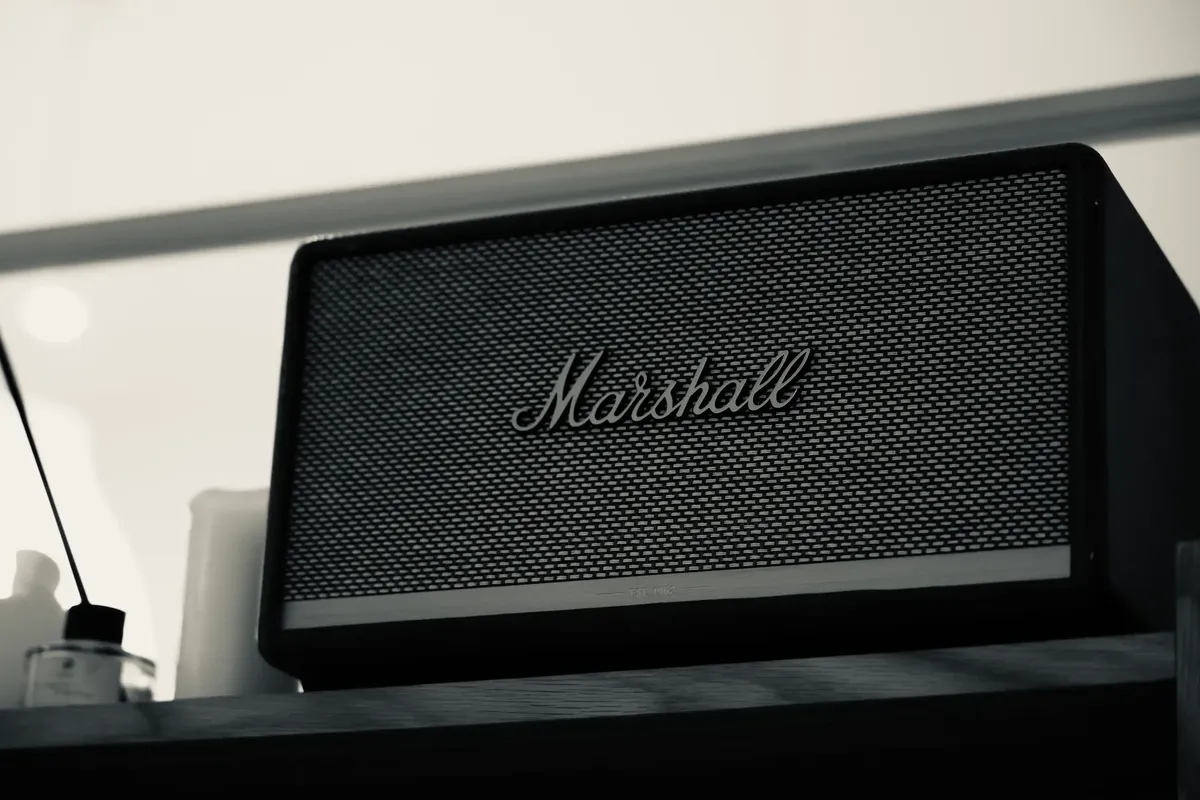
This guide compares the structural differences of a wide enclosure versus compact units, provides a selection framework based on use cases, and notes the limitations of wireless pairing security and battery life.
Soundbar or Bluetooth speaker: which sounds better? A person sits on a couch, reaching for a remote to activate a wide device sitting beneath a television. The difference in hardware determines how sound fills the room.
A soundbar, such as the TeleSound, comprises a single wide enclosure with two 5-watt loudspeakers spaced 12 inches apart. This physical width helps create a sense of space.
For example, connecting a television set's mono output to the TeleSound via a 3.5 mm audio jack allows viewers to watch television in simulated stereo. This setup provides a much wider soundstage than a single small unit.
In contrast, a Bluetooth speaker is often designed for mobility. Some such devices allow open field ranges of up to 1 km and beyond between two similar devices without exceeding legal emission limits.
Choosing the right audio quality comparison depends on whether you need a fixed home theater or a mobile companion.
How do I choose the best home audio choice?
A user stands in a living room, looking at an empty TV stand and then at a small portable speaker on a side table. The decision hinges on the primary environment of use.
If your goal is a stationary home theater, a soundbar is the logical choice. The wide enclosure can handle more complex tasks, like turning mono TV output into simulated stereo. This makes it an ideal hub for a living room.
If you need portability, a small speaker is better. These devices often use an indoor charging base and claim to play up to 10 hours on a full charge. This makes them suitable for moving between rooms. When weighing a soundbar vs small speaker, consider if you will move the device frequently.
Which speaker should I buy for my space? An individual moves from a quiet bedroom to a loud kitchen, carrying a small device in hand. The environment dictates the necessary power and connectivity.
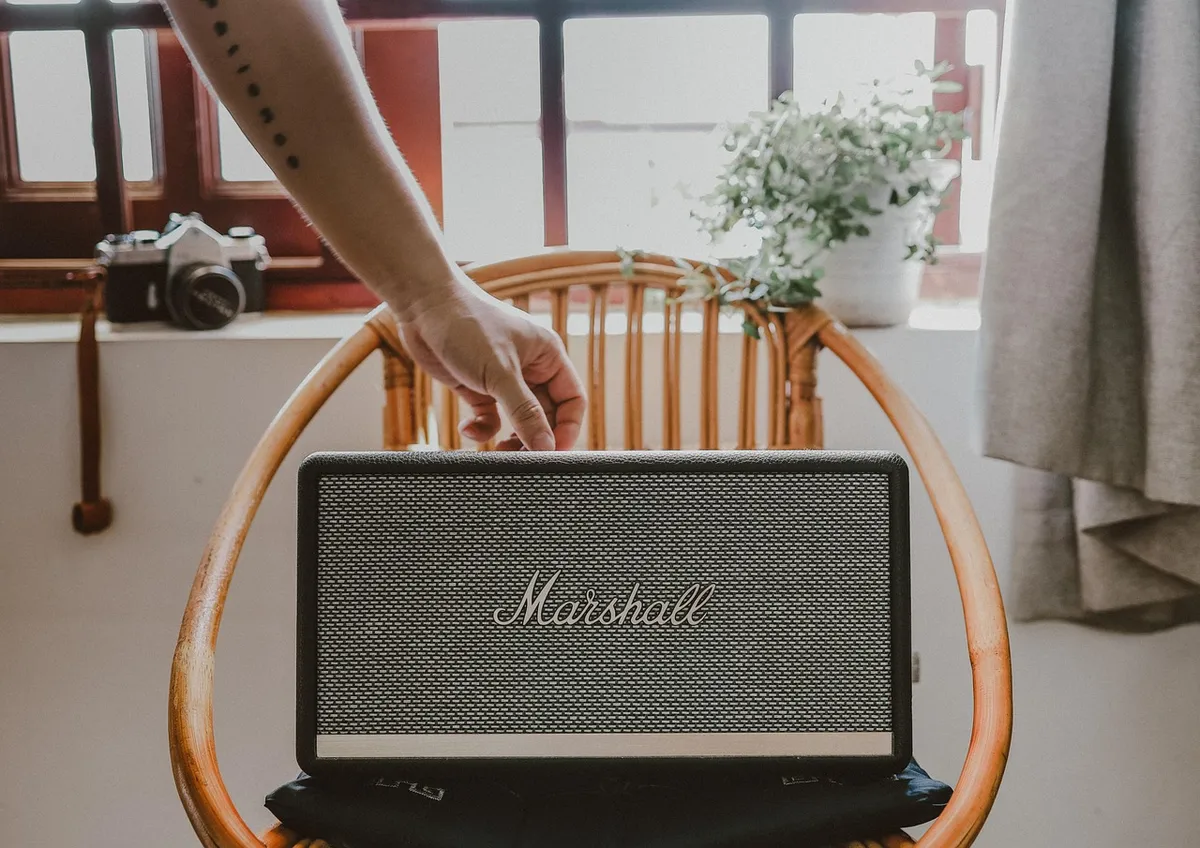
For a dedicated media room, a soundbar provides consistent coverage. The spacing between loudspeakers in a wide enclosure helps project sound across a sitting area. This is the preferred method for watching movies or news.
For personal use or travel, a portable unit is more practical. For instance, the Roam includes a USB charging cable and claims to play up to 10 hours on a full charge. I found that checking the battery life is essential when I am planning a day of use.
Using a portable unit is a great way to handle various tasks through a soundbar vs Bluetooth speaker review.
How to set up a soundbar vs Bluetooth speaker?
A technician carefully plugs cables into the back of a wide electronic unit while a user adjusts the volume. Setting up these devices requires attention to connectivity and power.
- Connect the audio source to the device using the appropriate jack, such as a 3.5 mm audio jack for a television. 2. Position the device on a stable surface, ensuring enough space between speakers if using a wide enclosure. 3. For portable units, ensure the device is fully charged using its indoor charging base or USB cable.
After the physical setup, perform a final check by playing audio at different volumes to ensure the speakers are balanced. A soundbar vs Bluetooth speaker setup guide should always prioritize the connection type used.
- Connect the soundbar to your TV using an HDMI or optical cable.
- Pair your mobile device with the Bluetooth speaker via the settings menu.
- Adjust the volume and EQ settings to suit your room acoustics.
What are the limitations of wireless audio?
A user stares at a pairing screen on a smartphone, wondering why the connection is unstable. Technical limitations can affect the user experience.
Security is a known factor in wireless audio. In July 2018, Lior Neumann and Eli Biham, researchers at the Technion – Israel Institute of Technology identified a security vulnerability in the latest Bluetooth pairing procedures: Secure Simple Pairing and LE Secure Connections.
This means wireless connections require careful management.
Battery life and range are also constraints. While some devices offer long-range connectivity, others are limited by their charge. For example, a portable unit might only offer 10 hours of playback. This is a key factor when evaluating a home audio setup guide.
The same subject is also called Which speaker to buy.
This part also covers Choosing speakers by use.
Soundbar vs Bluetooth speaker review
Related
- Is an affordable soundbar picks option right for you?
- Soundbar buying guide: How to find best soundbar for home
When is the right audio setup a compromise?
Sometimes the ideal right audio setup requires accepting limitations from both types of speakers. A soundbar offers superior room coverage, yet it lacks the inherent mobility of a Bluetooth speaker.
Conversely, a portable Bluetooth speaker provides excellent convenience, but its sound dispersion remains confined to a smaller area.
This comparison reveals that the right choice hinges on the primary function of the audio equipment. If the audio is meant for dedicated, stationary viewing, the soundbar’s wide enclosure offers a distinct advantage.
If the audio must travel with the user, the portability of the smaller unit becomes the deciding factor in the right audio setup.
How does enclosure size affect the right audio experience?
The physical dimensions of the speaker enclosure directly influence the soundstage presentation. A wide enclosure, characteristic of a soundbar, facilitates a broader sound field projection across a listening area.
Compact units, designed for portability, naturally restrict the area over which the sound can effectively spread.
For the right audio experience in a living room, the soundbar's design allows for the simulation of stereo sound from a television's mono output. The smaller, portable units, while convenient, present a more localized sound profile, which is a key consideration when making the right audio decision.
Wikipedia: Bluetooth Based on the retained excerpt mentioning National Institute of Standards: In September 2008, the National Institute of Standards and Technology (NIST) published a Guide to Bluetooth Security as a reference for organizations.
FAQ
Should I buy a soundbar or a Bluetooth speaker?
What is the difference in sound dispersion?
Related posts
Which budget soundbars are best for my home theater?

Is an affordable soundbar picks option right for you?
Soundbar buying guide: How to find best soundbar for home



Comments 0