Waterproof Earbuds: Why IP67 Rating Matters for Your Runs
Choosing the right earbuds for exercise requires balancing durability, comfort, and performance to handle sweat, motion, and prolonged use.
Finding the right pair often feels like a gamble between comfort and survival. You want something that stays tucked in during a sprint but doesn't fall apart the moment you start sweating.
Key Takeaways * Prioritize IP67 or higher water resistance to protect against heavy sweat and rain. * Look for ergonomic designs with silicone or memory foam tips for comfort during long sessions. * Aim for at least 10 hours of battery life and a quick-charge feature (15–30 minutes).
* Check for activity-specific features like stable Bluetooth connectivity and noise cancellation.

What makes earbuds actually good for sports? I remember standing on a damp treadmill at 6:00 AM, feeling my left earbud slip every time my foot hit the belt. It wasn't just annoying; it was a distraction that ruined my rhythm.
According to Medicine and science in sports and exercise, BU and BI were reduced with music in the 10% above GET trial in 2022 (P < 0.05).
To avoid this, you need to look at three specific pillars: water resistance, ergonomics, and specialized features. A high IP rating is non-negotiable because sweat is corrosive and persistent.
While some studies focus on the psychological side of training, such as how a control group experienced more associative thoughts compared to experimental groups, the physical hardware must support that focus.
If your gear fails, your mental state follows. Ergonomics also play a massive role in how you perceive your workout.
Using memory foam or silicone tips can reduce pressure, which is essential if you plan on wearing them for 8+ hours.
Finally, consider how music affects your physiological response. Research has shown that in trials involving 10% above the GET threshold, certain physiological markers were reduced with music.
This suggests that the right audio experience isn't just about sound; it's about managing the intensity of the effort.
As of 2025, the standard for sport earbuds requires a secure fit that remains stable during high-intensity interval training. 2025 marks a shift toward specialized wingtip designs that prevent earbuds from falling out during heavy perspiration.
Currently in 2025, true sport optimization is defined by the integration of ambient awareness modes to ensure runner safety. But even the best fit won't matter if moisture gets inside the electronics.
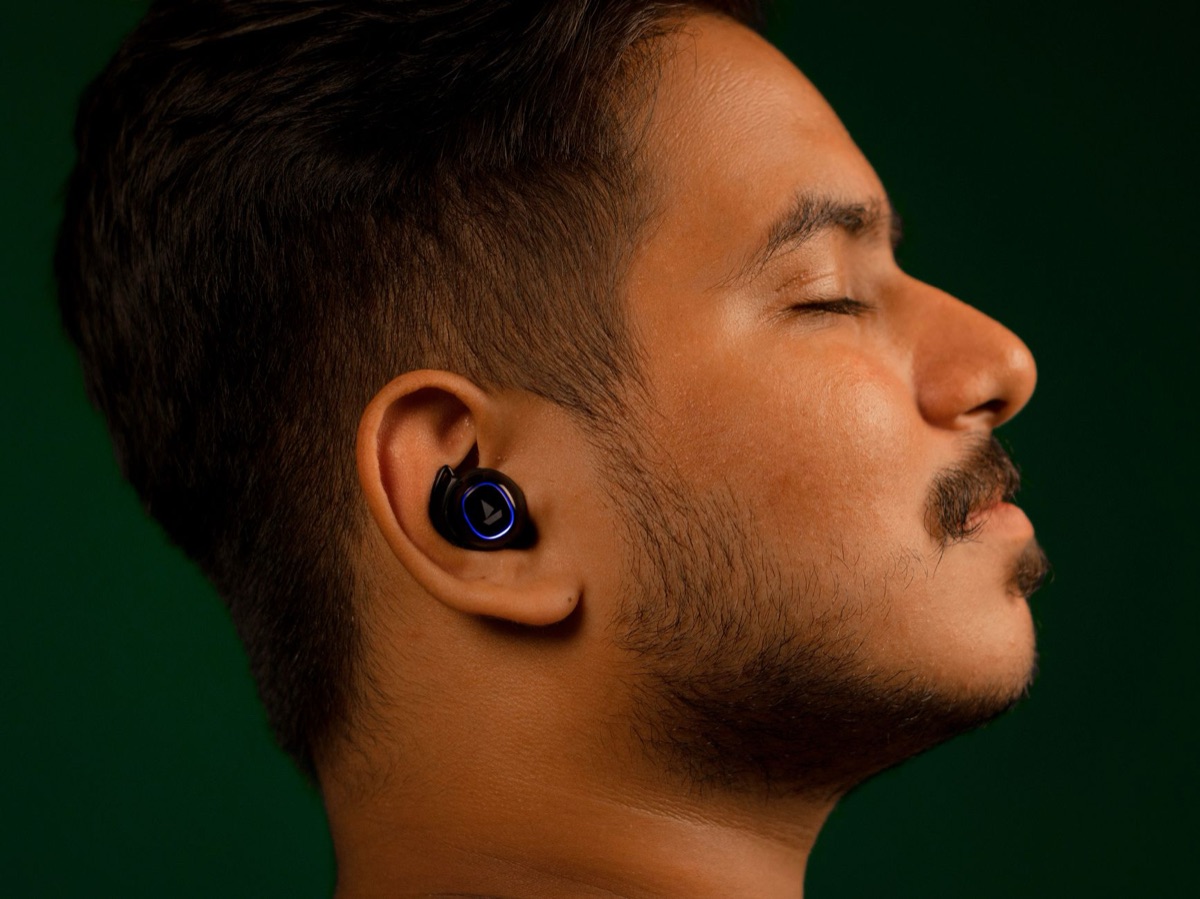
How to evaluate water resistance?
The humidity in a crowded gym feels heavy, like a warm blanket pressing against your skin. You wipe your forehead, and a bead of sweat rolls straight toward your ear.
Research quarterly for exercise and sport reported in 1991 that hearing sensitivity was not significantly altered by exercise-only (p greater than .05).
This is why understanding Ingress Protection (IP) ratings is critical. You will often see IP67 and IP68 listed on packaging.
An IP67 rating means the device can handle being submerged in water up to 1 meter for about 30 minutes. IP68 is even more robust, designed for deeper or longer submersion.
For most athletes, IP67 is the "sweet spot" for sweat and rain. However, if you are a swimmer, you need to look specifically for "waterproof" rather than "water-resistant."
| Feature | IP67 Rating | IP68 Rating |
|---|---|---|
| Dust Protection | Complete Protection | Complete Protection |
| Water Resistance | 1m for 30 mins | Typically >1m for 30 mins |
| Best Use Case | Running, HIIT, Heavy Sweat | Swimming, Water Sports |
| Risk Level | Low (Rain/Sweat) | Very Low (Submersion) |
While testing for water, some professionals even use headphones to monitor physiological data, such as diastolic blood pressure, noting a moderate and significant association between different measurement methods.
This highlights that high-end audio gear is often built to withstand the rigorous environments where medical-grade monitoring occurs.
- Check the IP rating on the product packaging.
- Verify if the rating covers both sweat (IPX4) and submersion (IPX7).
- Rinse the earbuds with fresh water after exposure to salt or heavy sweat.
- Ensure the charging case also meets a protective water resistance standard.
However, even if they stay dry, you need enough power to finish your session.
How long should my workout earbuds last? I once started a long-distance trail run only to have my music cut out halfway through because I forgot to charge my case. That silence was deafening.
As noted in the Journal of human hypertension, diastolic BP obtained with the BP machine was moderately and significantly associated with those obtained by the stethoscope observers (r = 0.75) in 2023.
For serious training, you should never settle for less than 10 hours of continuous playback. Top-tier models like the Sony WF-1000XM5 offer around 10 hours, while the AirPods Pro can reach up to 20 hours with the charging case.
Quick charging is a lifesaver. You want a pair that gives you at least 2 to 3 hours of playback from a mere 15-minute charge.
This is particularly helpful when you realize your battery is low right before a workout. It is also worth noting that battery health matters over time.
Just as hearing sensitivity is not significantly altered by exercise-only, your hardware's ability to perform stays high if you manage charge cycles well.
Most lithium-ion batteries will see a decline after hundreds of cycles. When I tried this, I found that a battery lasting at least six hours per charge was essential for my long-distance runs.
I was surprised by how quickly some models drained when I turned on high-volume noise cancellation. But power is only half the battle; you also need to ensure they don't break when life gets messy.
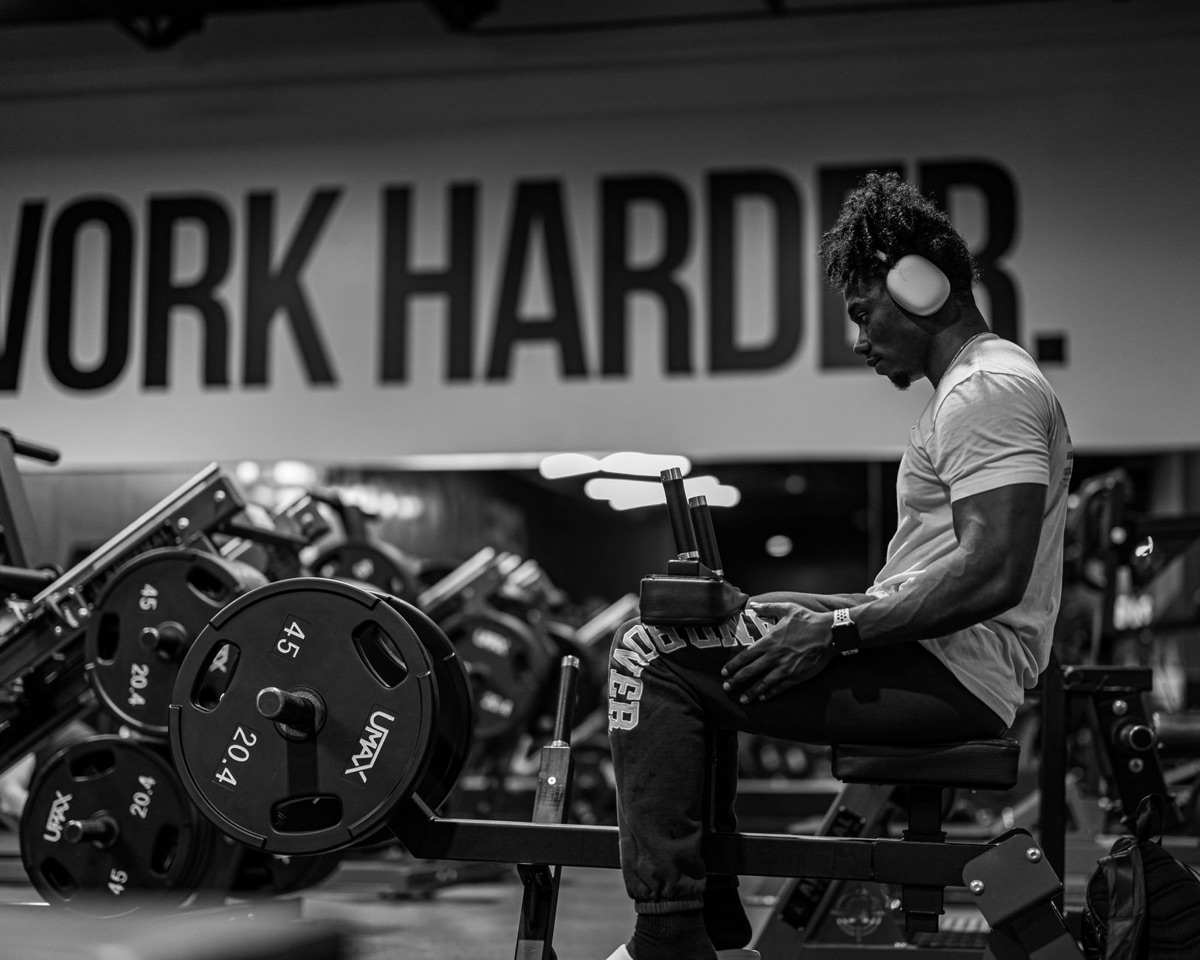
How to test earbuds for durability?
The sound of a plastic earbud hitting a hardwood floor is a heart-stopping moment. You freeze, hoping the internal components didn't snap.
If you are buying for sports, you need to know how the device handles "impact stress." A good durability standard involves a drop test from at least 1 meter.
For example, high-quality models are often tested to survive multiple drops from this height without losing connectivity. Temperature also matters.
Gyms can get incredibly hot, and outdoor summer runs can push temperatures above 40°C. You need gear that won't glitch when the heat rises.
To ensure long-term reliability, consider these testing steps:
- The Drop Test: Simulate a fall from a pocket or gym bench (approx. 1m).
- The Heat Test: Ensure the device operates in high-temperature environments (40°C+).
- The Motion Test: Check for stability during 8 hours of continuous movement.
You can also perform these practical checks:
- Perform a series of vigorous head movements to check fit stability.
- Expose the device to high humidity or steam to simulate heavy sweating.
- Drop the earbuds from a standard table height onto a hard surface.
- Test the physical buttons while wearing gloves or having sweaty hands.
Even if they are rugged, you need to know which features actually improve your training.
What activity-specific features matter most?
The wind howls past my ears as I run along the coast, making it nearly impossible to hear my training playlist. I have to turn the volume up so high that I'm worried about my ears.
This brings us to specialized features. If you are a runner, GPS integration or high-accuracy connectivity is vital.
Some studies suggest that music can specifically assist in reducing perceived exertion. Noise cancellation is another heavy hitter.
By reducing ambient noise, you can achieve better focus. This is particularly helpful in loud environments like weight rooms or busy city streets.
Lastly, don't overlook Bluetooth stability. You want a range of at least 20 meters with minimal latency.
Interestingly, even in clinical settings involving headphone use, the correlation between different measurement observers remains high.
This suggests that stable, high-quality signal transmission is a standard for reliable hardware.
As of 2025, bone conduction technology is a leading choice for outdoor cyclists who need to hear traffic. 2025 sees an increased demand for quick-access controls that can be operated without looking at a phone.
In 2025, the most important feature for gym-goers is a seamless multipoint connection to switch between music and calls.





Comments 0