EV warning sound system: Guide to low-speed safety tips
"The silence of an electric motor can be a safety hazard for those walking nearby."
An EV warning sound system provides essential acoustic cues to pedestrians when vehicles operate in silent electric mode.
This guide explores the regulatory requirements for acoustic vehicle alerting systems, the specific speed thresholds for sound emission, and the safety implications for low-speed environments.
* Mandatory sound emission at speeds below 18.6 mph (30 km/h). * Minimum noise levels to ensure pedestrian awareness. * Compliance timelines for quiet vehicle manufacturers.
Why do we need an EV warning sound system?
As the silent car glides down the empty street at dusk, a pedestrian freezes in place when the sudden lack of engine noise fails to provide a necessary warning.
A pedestrian walks along a quiet street, hearing only the faint hum of tires on asphalt. As a silent vehicle approaches, the lack of engine noise makes it difficult to judge the distance or speed of the oncoming car.
The need for EV warning sounds arises because vehicles operating in electric mode can be particularly hard to hear below 30 km/h (20 mph). This low-speed operation creates a visibility-audibility gap where pedestrians may not realize a vehicle is approaching.
Improving low-noise vehicle safety requires artificial sounds to bridge this gap.
The primary goal of an electric car alert sound is to ensure that individuals can detect a vehicle's presence. Because electric motors lack the mechanical noise of an internal combustion engine, the vehicle must generate its own acoustic signature.
Designing hybrid car alerts involves balancing enough volume to be heard with the need to avoid excessive noise pollution.
Silent electric motors pose a risk to pedestrians and cyclists who rely on auditory cues to detect approaching vehicles.
What are the specific speed limits for sound?
As the car crawls through the quiet suburbs at dusk, the driver feels a sudden jolt when the automated warning sound activates.
A driver pulls out of a driveway, moving slowly through a residential neighborhood. The car transitions through different speeds, and the sound system must react to these changes to maintain safety.
The regulation focuses on low-speed environments where the risk of pedestrian collision is highest. It requires hybrids and electric vehicles traveling at less than 18.6 mph (30 km/h) to emit warning sounds that pedestrians must be able to hear over background noises.
This threshold was selected because, according to NHTSA measurements, this is the speed at which the sound levels of the hybrid and electric vehicles are approximately equivalent to the sound levels produced by similar internal combustion vehicles.
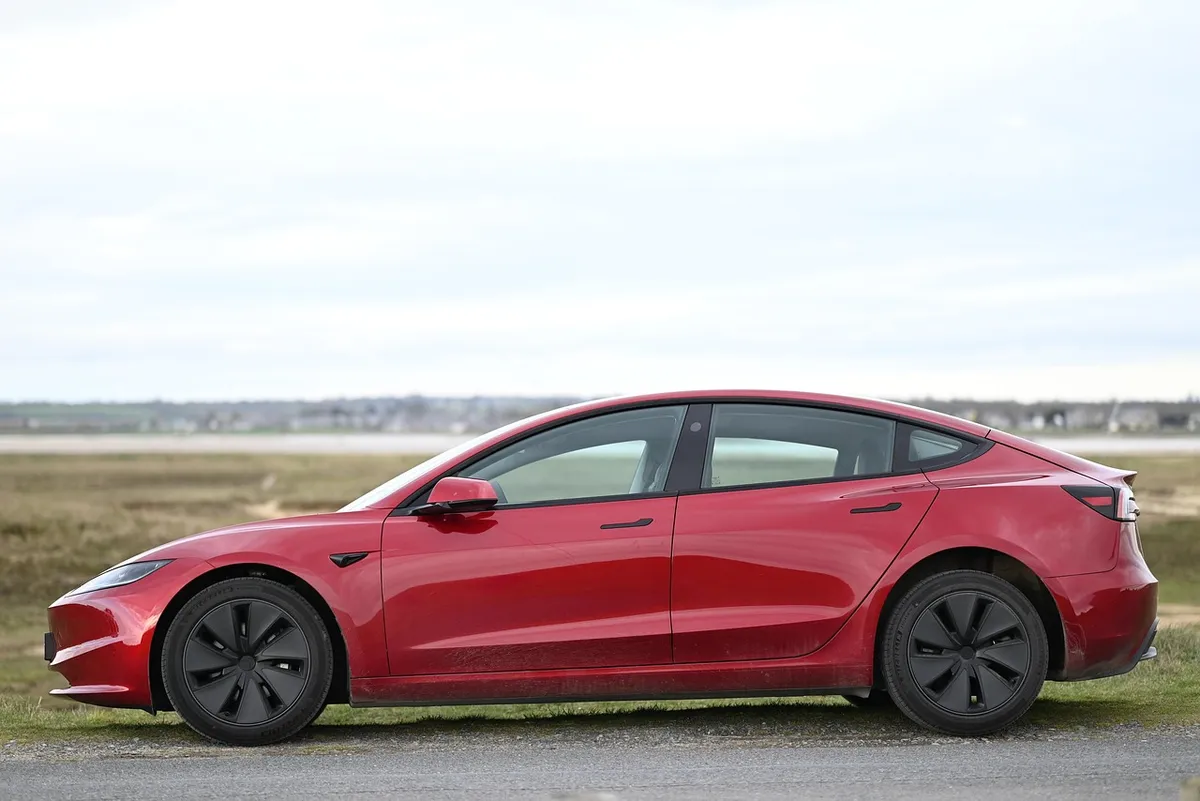
At higher speeds, the natural engine noise typically provides enough warning. For instance, at speeds higher than between 20 and 25 miles per mph (32 and 40 km/h), the sound system shuts off. This prevents the artificial sound from becoming an unnecessary nuisance during normal driving.
The acoustic alert must be active at low speeds where the vehicle's natural engine noise is insufficient for detection.
How loud must the warning sound be?
A person stands on a sidewalk, hearing a soft, steady hum as a car approaches at a walking pace. The sound is clear enough to indicate the car's direction and proximity.
The volume must be sufficient to overcome ambient environment noise. The vehicle must make a continuous noise level of at least 56 dBA (within 7 feet or 2 metres) if the car is going 12 mph (20 km/h) or slower, and a maximum of 75 dBA. This ensures the sound is audible but not startlingly loud.
A low noise car warning must be detectable from a reasonable distance.
Using a hybrid car as an example, an experiment involved making audio recordings of a Toyota Prius and combustion engine Honda Accord approaching from two directions at 5 miles per hour (8.0 km/h) to ensure that the hybrid car operated only with its electric motor.
Under this condition, the hybrid needed to be 74 percent closer than the conventional car before the subjects could hear from which direction the cars approached.
The sound level must be high enough to be heard over ambient city noise but low enough to avoid causing auditory discomfort.
What are the compliance timelines?
A manufacturer reviews a checklist of upcoming regulatory deadlines to ensure their new model meets all legal requirements. The transition from older models to new, compliant vehicles happens in stages.
The rollout of these acoustic systems was planned in phases to allow industry adjustment. Their ruling requires vehicles to emit warning sounds at speeds below 18.6 mph (30 km/h), with full compliance by September 2020 and 50% of "quiet" vehicles compliant by September 2019.

This phased approach allowed for a gradual transition in the automotive market.
| Requirement Phase | Compliance Milestone |
|---|---|
| Initial Compliance | 50% of quiet vehicles by September 2019 |
| Full Compliance | All vehicles by September 2020 |
I noted that the transition period was critical for manufacturers to integrate these sound generators into existing vehicle architectures.
Manufacturers must align their production schedules to meet these new safety standards by the specified effective dates.
How do we implement these safety features?
An engineer works in a laboratory, testing the acoustic output of a new electric drivetrain. They adjust the frequency and volume to ensure the sound meets the legal dBA requirements.
Implementing a reliable acoustic system requires following specific technical steps:
- Set the trigger threshold to activate the sound when the vehicle speed drops below 18.6 mph (30 km/h). 2. Calibrate the sound generator to maintain a minimum of 56 dBA at low speeds. 3. Program the system to automatically shut off once the vehicle reaches the higher speed threshold.
A final check ensures that the sound remains audible over common urban background noises. This process is essential for pedestrian safety-focused design.
- Integrate an acoustic vehicle alerting system into the vehicle's electronic control unit.
- Calibrate the sound output to match specific speed thresholds.
- Test the sound projection to ensure consistent coverage around the vehicle.
What are the limitations of acoustic alerts?
A researcher looks at a data set of urban traffic accidents, looking for patterns related to vehicle noise. They must consider how different environmental factors influence the effectiveness of the sound.
According to the Association (CAA) revealed that cold weather, a comprehensive winter performance study by the Canadian Automobile Association (CAA) revealed that cold weather significantly impacts driving range, with vehicles experiencing reductions between 14% and 39% compared to their official estimates when operated at −15∘C.
While these sounds help, they are not a perfect solution for all scenarios. For example, the analysis found no evidence of a pattern in accident rate when only considering those accidents occurring on 30 mph (48 km/h) or slower roads, or where the pedestrian was disabled.
This suggests that while sound helps, it is only one component of overall pedestrian safety.
| Feature | Specification |
|---|---|
| Minimum Sound Level | 56 dBA (at 12 mph or slower) |
| Maximum Sound Level | 75 dBA |
The effectiveness of an EV warning sound system can be influenced by the specific ambient noise levels of a given environment.
In this sequence, the third step is the most critical for ensuring real-world effectiveness.
Related






Comments 0