Gaming audio buying guide: Tips for clear sound separation
"The difference between a good game and a great one often lies in the subtle shift of a soundscape."
Understanding the nuances of high-quality sound can transform a gaming session from a simple distraction into a fully immersive experience. This guide explores how to navigate technical specifications and industry standards to make informed decisions.
Key takeaways include recognizing the importance of professional recognition in audio engineering, understanding venue-based industry gatherings, and identifying how historical standards shape modern equipment.
Why does professional recognition matter for a gaming audio buying guide?
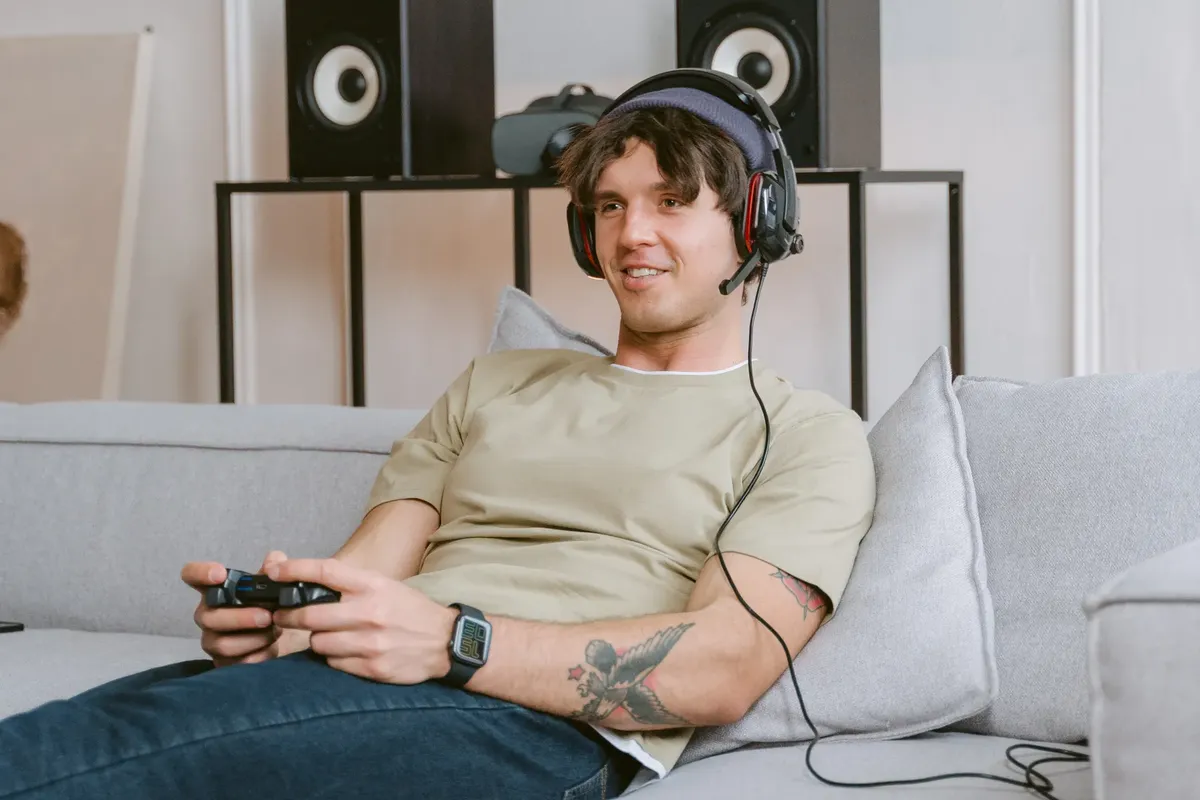
At dusk, I squinted at the award plaque on the desk while reading a gaming audio buying guide to understand the craftsmanship.
A technician adjusts the sliders on a mixing console, listening for the perfect balance between bass and treble. Professional recognition serves as a benchmark for quality, indicating that the audio engineering meets high industry standards.
When searching for a gaming audio buying guide, looking at established industry accolades can provide insight into the level of craftsmanship expected from manufacturers.
The Game Audio Network Guild has organized awards since 2004 to honor excellence in the field. These honors reflect the technical proficiency and creative depth required in modern sound design.
For those seeking the best gaming headset tips, understanding that professionals value both clarity and immersion can help narrow down much of the overwhelming market.
Professional endorsements ensure that the hardware meets rigorous standards for clarity and durability beyond basic consumer expectations.
How do industry gatherings shape audio selection for gamers?
A group of engineers gathers in a large hall, discussing the future of spatial audio and digital signal processing. Large-scale industry events often serve as the backdrop for celebrating technical breakthroughs and setting new trends.
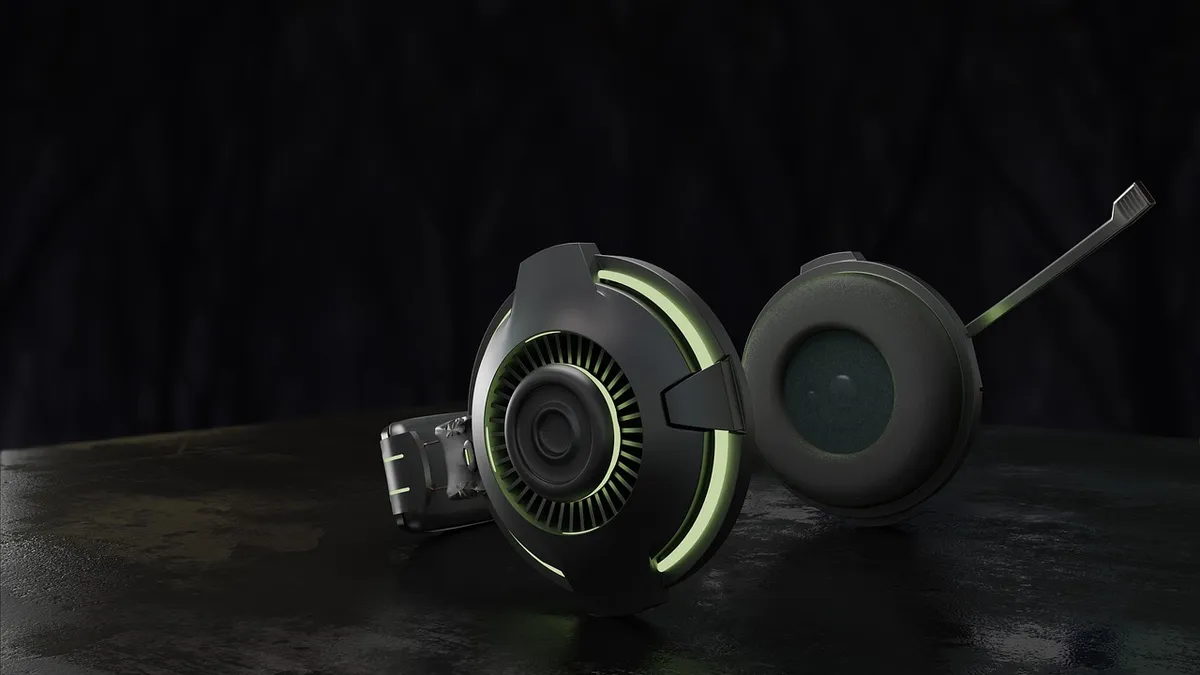
These gatherings allow professionals to showcase advancements that eventually trickle down to consumer-grade hardware.
For instance, the Game Audio Network Guild awards have been held during the Game Developers Conference in San Francisco. On March 26, 2009, the awards took place in the North Hall of the Moscone Center as part of that conference.
Such events highlight the evolving nature of sound technology and its practical applications.
Trade shows and conventions allow developers to demonstrate how specific frequency responses interact with modern game engines.
Where can we find the best gaming audio selection for gamers?
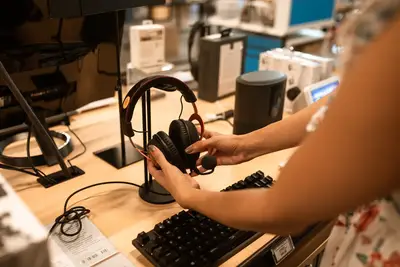
An enthusiast browses through a catalog of high-end headphones, comparing frequency response curves and driver sizes. Finding the right gear involves understanding how these historical industry standards influence current product development.
While consumer products vary, the principles of sound separation and clarity remain constant.
The history of these professional gatherings shows a consistent effort to recognize excellence within the industry. On March 3, 2011, the awards were held at the Moscone Center during the Game Developers Conference.
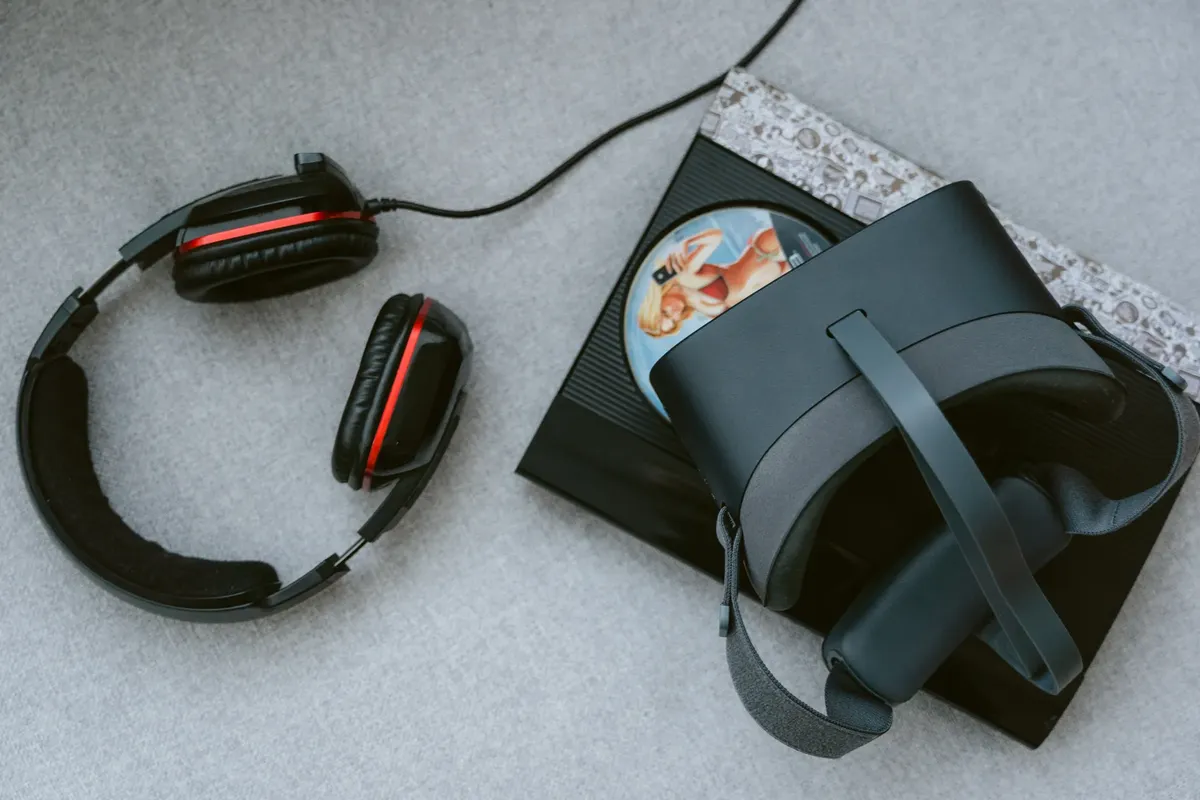
Similarly, on March 22, 2018, the awards were also held at the Moscone Center during the Game Developers Conference. These recurring events underscore the longevity of the standards used to judge sound quality.
The best selections are often found at specialized retailers and through direct manufacturer channels that prioritize high-fidelity components.
How to choose gaming audio with an eye on reliability?
A user sits at a desk, plugging a headset into a wireless adapter and testing the connection stability. When you consider how to choose gaming audio, you must look at the durability of the hardware and the consistency of the output.
Reliability ensures that the audio remains clear during intense, long-duration sessions.
- Evaluate the driver quality to ensure sound separation is distinct across different frequency ranges. 2. Check the build quality of the headset to ensure it can withstand regular use. 3. Test the connection stability, whether wired or wireless, to prevent sudden audio drops.
A final check involves testing the headset in various environments to ensure the sound profile remains consistent. This process helps in checking headset reliability before making a significant investment.
- Evaluate the build quality of the headband and ear cup hinges.
- Check the durability of the cable connectors and jack housing.
- Verify the quality of the driver materials used for long-term sound consistency.
What are the limitations of current audio selection for gamers?
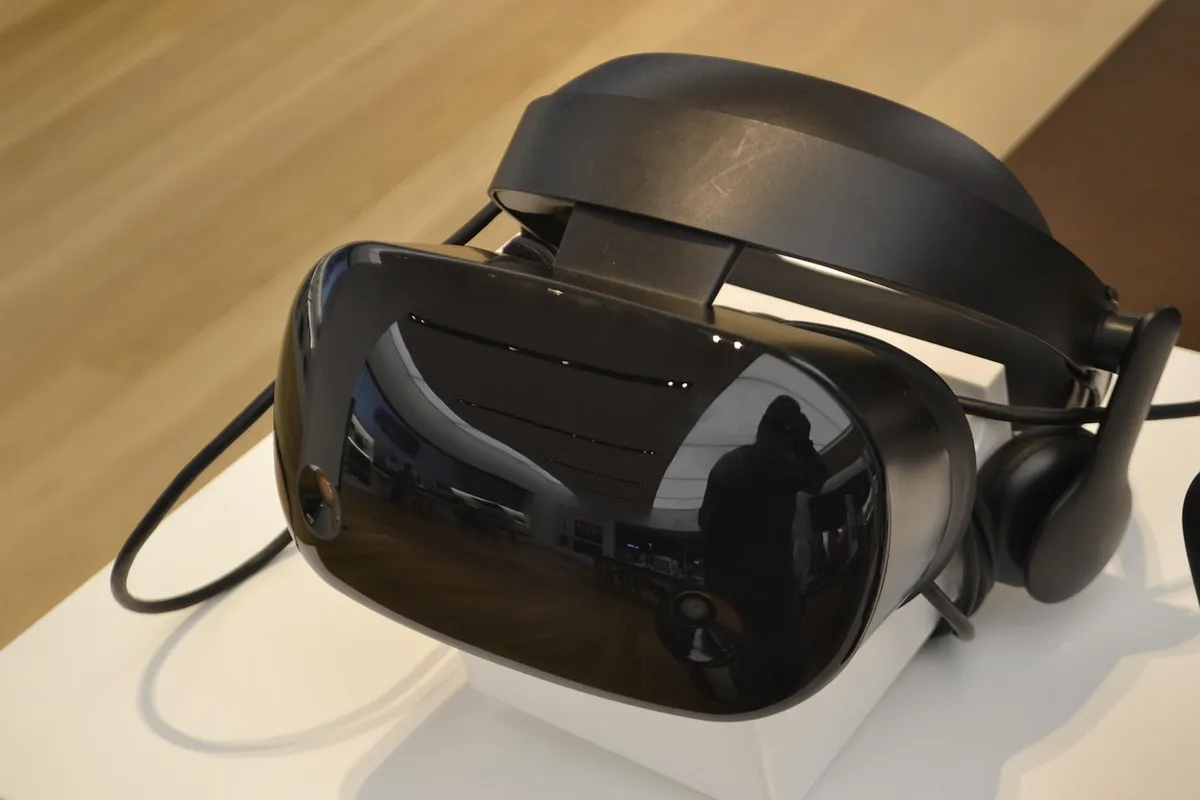
A listener wears a pair of closed-back headphones, noticing how the room's acoustics are blocked out. Every piece of equipment has specific environmental requirements to perform at its peak.
A limitation of specialized gaming hardware is that it may not always provide the same color-accurate or studio-neutral sound found in professional monitoring gear.
While gaming headsets are optimized for specific cues, they may lack the broad-spectrum fidelity required for professional music production.
In this order, the second point is the longest.
Related
- Gaming audio headset safety: How to manage sound exposure
- How can you apply value gaming headset picks to your setup?
How does the difference between consumer and professional audio manifest?
The difference between a gaming headset and professional monitoring gear often lies in their design priorities. Gaming audio prioritizes cues that enhance gameplay immersion, whereas professional equipment aims for accurate reproduction of sound.
This divergence in design intent dictates the functional difference between the two types of audio gear.
When comparing the two, one must consider the optimization goals; gaming hardware is tuned for situational awareness, while studio gear strives for fidelity across the entire frequency spectrum. This comparison helps the consumer understand the inherent trade-offs when selecting equipment.
For instance, the focus on sound separation in gaming headsets supports quick identification of enemy locations, a functional difference from the broad-spectrum fidelity sought in professional settings. This difference in application shapes the technical specifications of each product category.
The distinction is most evident in the precision of the soundstage and the accuracy of the frequency reproduction.
What is the difference between immersion and fidelity in gaming audio? Immersion focuses on enveloping the user within the game world, which is a key aspect of good gaming audio. Fidelity, conversely, relates to the accuracy of the sound reproduction, a concern more central to professional audio. The difference between these two priorities dictates how manufacturers design their respective products.
When considering the difference between the two, one must realize that gaming hardware often sacrifices some absolute fidelity for the sake of delivering strong, directional cues. This design choice supports the gameplay experience more directly than pure sonic accuracy.
Conversely, professional audio equipment prioritizes a flat response curve, meaning the difference between the bass and treble reproduction is minimized for objective listening.
How does the difference between historical and modern standards affect purchasing decisions? Understanding the difference between historical standards and current trends guides the consumer toward appropriate gear. Older standards established foundational requirements for sound separation, which still inform modern headset design. The evolution shows a consistent push toward better spatial audio capabilities.
When evaluating a headset, recognizing the difference between a standard and an award-winning design helps anticipate performance levels. The benchmarks set by past industry gatherings remain relevant even as technology advances.
This comparison allows the buyer to gauge whether a product meets established benchmarks or represents a novel, unproven approach to sound engineering.
Wikipedia: Game Audio Network Guild Awards (full) Based on the retained excerpt mentioning Game Audio Network Guild: The awards, which started in 2004, are arranged by the Game Audio Network Guild and held annually during the Game Developers Conference in San Francisco.



Comments 0