Why do pin alignments matter for mobile gaming?: 3.5 mm
"The history of wireless communication began with a collaboration between NASA and Plantronics during the Apollo program to assist astronauts."
Modern gaming headset trends focus on navigating various connection types and hardware compatibility to ensure high-fidelity audio.
For those seeking the best wireless gaming headset 2026, understanding the nuances of jack sizes, signal conversion, and pin alignments is essential for a seamless experience. This guide covers connection standards, hardware requirements, and specialized gear for competitive play.
What defines next gen gaming audio tech?
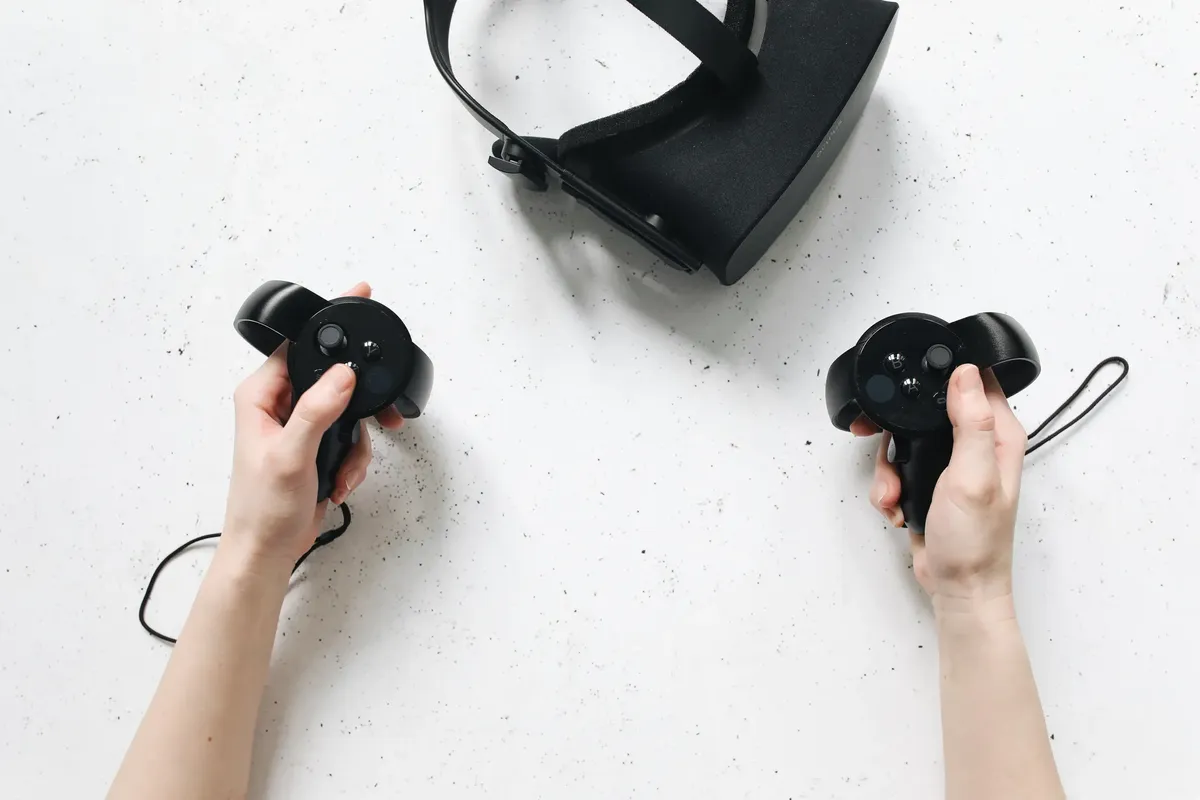
A gamer sits at a desk, plugging a thick cable into a console while checking for signal interference. Next gen gaming audio tech involves managing how digital signals transition into the sounds players hear through their ears.
According to general technical standards, 3.5 mm computer headsets connect to the computer via a sound card, which converts the digital signal of the computer to an analog signal for the headset. This conversion process is fundamental to how hardware translates data into audible sound.
Standard 3.5 mm headsets often feature two separate connectors: one for the microphone jack and one for the headphone or speaker jack. Understanding these physical splits is the first step in building a high-fidelity gaming audio comparison setup.
How do connection types impact the gaming headset buying guide?
A user holds a USB cable in one hand and a small 3.5 mm jack in the other, questioning which will offer better latency. A gaming headset buying guide must address the two most common connection types: standard 3.5 mm and USB.
While 3.5 mm jacks are ubiquitous, they rely on the device's internal sound card to process audio. In contrast, USB connections often handle digital-to-analog conversion within the headset itself, providing a different way to manage signal quality.
Smartphones often use a standard 3.5 mm jack, so users may be able to directly connect the headset to it. However, users must be aware that different devices may require specific adapters or different connection standards.
Why do pin alignments matter for mobile gaming?
A person tries to plug a headset into a smartphone, only to find the audio sounds muffled or the microphone fails to work. This common frustration stems from different pin alignments within the 3.5 mm plug.
There are different pin alignments to the 3.5 mm plug, mainly OMTP and CTIA, so a user should find out which settings their device uses before buying a headphone/headset. Using the wrong standard can result in incompatible audio or microphone functionality.
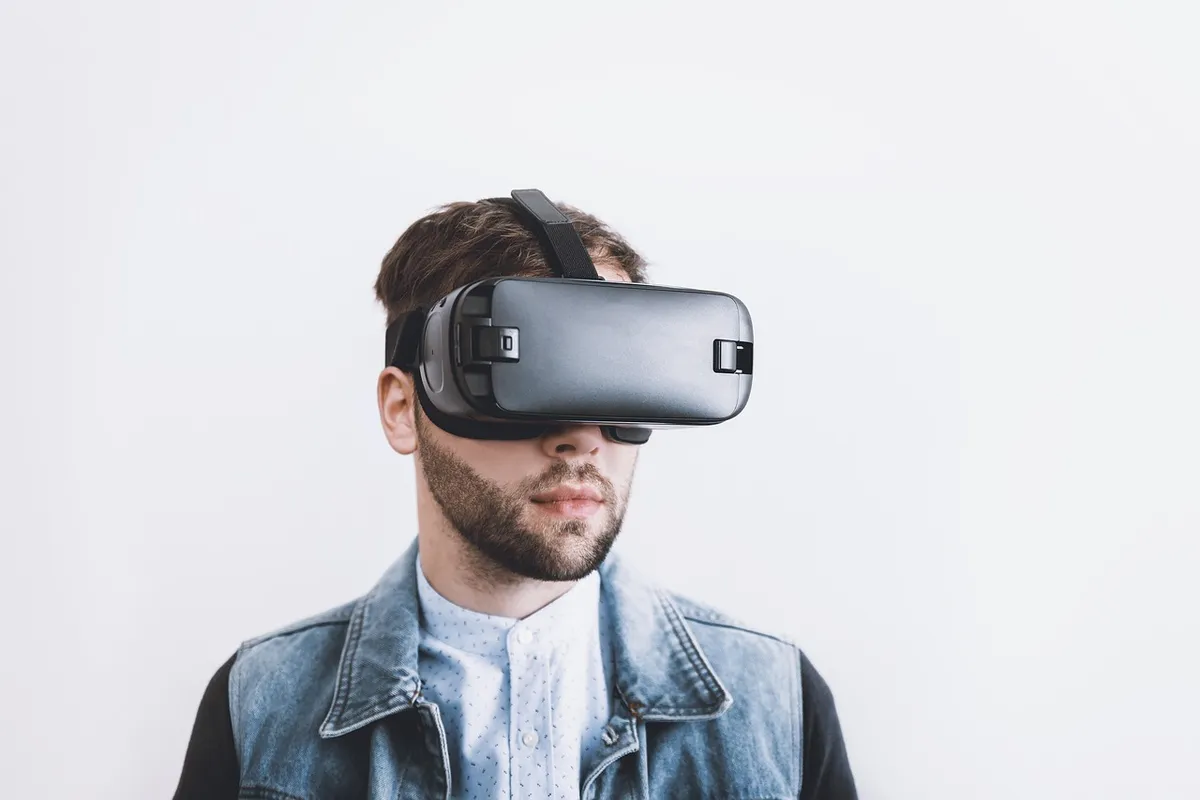
Some aftermarket mobile headsets come with a standard 2.5 mm plug different from the phone's audio connector, so users have to purchase an adapter. This mismatch can complicate a seamless mobile gaming setup.
Can specialized headsets improve tournament performance?
A competitive player adjusts their headset, ensuring the fit is tight for an upcoming high-stakes match. Historically, specialized hardware was developed to meet the specific needs of professional environments.
According to Major League, a 2012 partnership with Major League Gaming (MLG) resulted in the release of headsets specifically designed for tournament gaming as well as consumer headsets featuring official MLG branding.
In 2012, a partnership with Major League Gaming (MLG) saw the release of headsets specifically designed for tournament gaming and consumer headsets that had official MLG branding. This shows how professional gaming requirements can drive specific hardware designs.
| Feature | Standard 3.5 mm | USB Connection |
|---|---|---|
| Primary Use | General computing and mobile | Digital-to-analog convenience |
| Connection Method | Sound card conversion | Integrated digital interface |
I remember checking my own cables to ensure the microphone and headphone jacks were properly separated before a match.
What are the limitations of current hardware?
A gamer looks at a rising price tag on a new console, realizing their current headset might need an upgrade to match the new hardware. Hardware limitations often involve physical compatibility and rising costs of gaming ecosystems.
Some headsets are available with 2.5mm jack sockets for many DECT phones and other applications, which might not be compatible with standard gaming gear. This variety requires careful checking of specifications before purchase.
By 2026, costs of consoles had increased by 50% or more compared to their launch prices as a result, and because of the ongoing RAM shortage, costs for the next generation of consoles are expected to be much greater.
This economic shift may influence how much players are willing to invest in premium audio gear.
How to choose a headset based on your device?
A user gathers various adapters—USB, 3.5 mm, and 2.5 mm—on a table to prepare for a multi-device setup. Choosing the right headset requires a systematic approach to compatibility.
- Identify the primary connection type of your device, such as USB or a 3.5 mm jack. 2. Check the pin alignment of your device to ensure it matches the headset (CTIA vs. OMTP). 3. Verify if you need adapters for secondary devices, such as 2.5 mm jacks for specific phones.
Always perform a final check by testing the microphone and audio levels on the actual device before finalizing the setup.
2026 gaming headset trends
The subject here is 2026 gaming headset trends.
The same subject is also called JBL Quantum series review.
This part also covers budget vs premium headset analysis.
This part also covers future of immersive gaming sound.
Related
- Gaming audio buying guide: Guide to driver size 50 mm
- Audio choice by use: Tips for best audio for purpose
How does the history of wireless communication relate to modern headset needs? 1. The initial work in the history of wireless communication involved NASA and Plantronics assisting astronauts during the Apollo program. 2. This early development demonstrates the foundational need for reliable, untethered audio transmission, a concept echoed in modern wireless gaming headset trends. 3. Understanding this history provides context for the current focus on managing signal integrity in modern audio gear.
What cautions should be observed when comparing wireless versus wired setups? 1. When comparing connection types, users must consider that 3.5 mm jacks rely on the device's internal sound card for processing. 2. Conversely, USB connections often manage the digital-to-analog conversion within the headset itself, which is a different operational approach. 3. A caution exists that different devices may necessitate specific adapters or adhere to distinct connection standards, regardless of the chosen method.
The evolution of wireless technology, stemming from early collaborations like the one in the history of wireless communication, continually pushes the boundaries of audio fidelity. This progression impacts how modern headsets must handle signal conversion to deliver quality sound.
When assessing hardware requirements, the difference between integrated digital interfaces and sound card conversions dictates the potential for latency in competitive play. This comparison is vital for any serious buyer.
Users should always verify the pin alignment of their specific device before purchasing, especially when considering mobile gaming, to avoid incompatible audio functionality.



Comments 0