Wireless earphone frequency audio quality: Best tips guide
"The wireless connection relies on a delicate balance of signal strength and security to ensure that audio remains clear without compromising data integrity."
Understanding wireless earphone frequency audio quality requires evaluating how signal range and encryption protocols impact the listening experience. This guide helps you navigate technical specifications to ensure stable connectivity and high-fidelity sound.
You will learn about range limitations, security risks, and how to select devices based on connection stability.
How does wireless earphone frequency audio quality work?
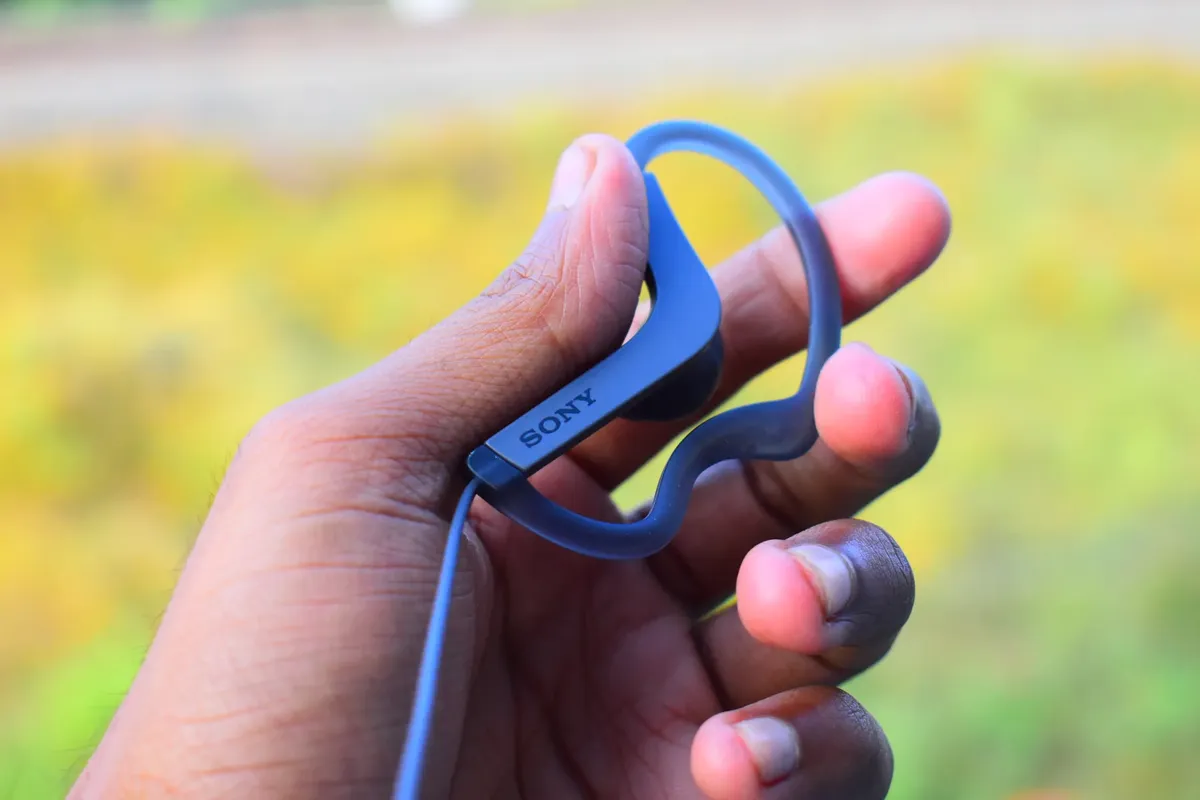
At midnight in the quiet studio, he tilts his head to feel the heavy bass thrumming through his wireless earbuds.
A user adjusts the volume on a smartphone, feeling the subtle vibration of the device against their palm. The signal travels through the air to the earbuds, where the frequency response determines the depth of the bass and the clarity of the treble.
Wireless earphone frequency audio quality is fundamentally tied to how well the device manages signal transmission within specific bands. While the frequency response of the driver determines the audible range, the wireless protocol dictates the stability of that data stream.
Ensuring a consistent bit rate prevents the interruptions that often degrade perceived sound quality.
An earbud frequency band guide suggests that understanding the relationship between data transfer and wireless stability is essential for a seamless experience. High-quality audio requires enough bandwidth to transmit complex waveforms without latency.
If the connection fluctuates, the high-frequency details may drop out, leading to a thin or distorted sound.
What are the key factors in choosing earphone frequency?
A person walks through a park, testing the range of their new earbuds while moving further from their phone. The connection remains solid until a certain distance is reached, highlighting the limits of the current wireless technology.
Choosing earphone frequency involves looking at the effective range and the reliability of the wireless protocol. Some devices allow open field ranges of up to 1 km and beyond between two similar devices without exceeding legal emission limits.
This capability ensures that you can move through various environments without immediate signal loss.
An audio quality wireless buds selection should also consider the specific class of the wireless hardware.
For instance, in August 2004, a world-record-setting experiment showed that the range of Class 2 Bluetooth radios could be extended to 1.78 km (1.11 mi) with directional antennas and signal amplifiers.
While such extreme ranges are not common for consumer earbuds, they demonstrate the potential for extended connectivity.
How can I ensure stable wireless earphone sound?
A listener sits in a quiet room, carefully checking the settings on a mobile application to optimize the connection. They look for ways to minimize interference from other electronic devices in the vicinity.
Maintaining best wireless earphone sound requires managing the security and stability of the wireless link simultaneously. Because wireless signals are prone to interference, choosing hardware with robust error correction is vital.
This prevents the digital artifacts that occur when data packets are lost during transmission.
Selecting earbuds by frequency requires an awareness of how encryption might impact performance. For example, the encryption key is only good for approximately 23.5 hours; using a single encryption key longer than this time allows simple XOR attacks to retrieve the encryption key.
While this is a security concern, it also underscores the necessity of frequent handshake protocols that maintain both security and sync.
What are the physical connection alternatives?
An enthusiast lays out various cables and adapters on a wooden desk, comparing the sizes of different audio jacks. They pick up a large 6.35 mm plug and a smaller 3.5 mm plug to inspect the difference.
When transitioning from wireless to wired setups, users often encounter different connector standards. The most common connectors are 6.35 mm (1/4 inch) and 3.5 mm (1/8 inch) phone connectors. Understanding these sizes is helpful if you decide to use a wired backup for higher fidelity.
The larger 6.35 mm connector is more common on fixed location home or professional equipment. In contrast, the 3.5 mm connector remains the most widely used connector for portable applications.
Adapters are available for converting between 6.35 mm and 3.5 mm connectors, providing flexibility for different devices.
| Connector Size | Primary Use Case |
|---|---|
| 6.35 mm (1/4 inch) | Fixed location home or professional equipment |
| 3.5 mm (1/8 inch) | Portable applications |
I carefully compared these two sizes when deciding which adapter to pack for my next trip.
How does frequency impact earbud sound?
A musician listens to a high-resolution track, focusing on the precision of the high-frequency peaks. They move the earbuds slightly to ensure the fit remains perfect for the intended soundstage.
Frequency impact on earbud sound is often a matter of how the wireless bandwidth supports the audio's dynamic range. If the wireless connection cannot handle the necessary data throughput, the nuances of the sound are lost.
This is why stable wireless protocols are just as important as the driver quality itself.
How frequency affects earbud sound can be influenced by the environment and the distance from the source. In open spaces, signals may travel further, but obstacles like walls can attenuate the signal.
A stable connection ensures that the frequency response remains consistent regardless of the movement.
- How does wireless earphone frequency audio quality work?
- What are the key factors in choosing earphone frequency?
- How can I ensure stable wireless earphone sound?
Related





Comments 0