Gaming audio frequency guide: Tips for selecting best gear
"The difference between immersion and distraction often lies in the clarity of the acoustic signal and the hardware used to deliver it."
Understanding gaming audio frequency guide and selection criteria requires balancing hardware connectivity with the nuances of sound reproduction. This guide covers connector standards, the potential for electronic waste, and how to select gear based on physical interfaces.
Key takeaways include recognizing various jack sizes, understanding the impact of used hardware, and managing the environmental footprint of audio equipment.
What are the basics of audio connectors? A technician carefully cleans a 3.5mm jack before plugging in a new headset to ensure a stable connection. Selecting the right hardware requires knowing the physical standards available for different devices.
The original 6.35mm (quarter inch) jack remains a staple in professional environments, while the more recent and standard 3.5mm (miniature or 1/8 inch) and 2.5mm (subminiature) jacks are common in consumer electronics. These come in both mono and stereo (balanced) versions to suit different setups.
There also exists 4.4 mm Pentaconn connectors for high-fidelity applications.
Different devices require specific interfaces to maintain signal integrity. Choosing the right plug ensures that the audio quality for gaming remains consistent across different platforms.
How much of an impact does used hardware have? Gaming audio frequency guide A collector inspects a box of second-hand audio equipment, checking for wear on the cables and jacks. When looking for a bargain, users often turn to the secondary market.
A 2011 report, "Ghana E-waste Country Assessment", found that of 215,000 tons of electronics imported to Ghana, 30% was brand new and 70% was used. This high percentage of used goods highlights the importance of checking the physical condition of jacks and cables when buying pre-owned.
Reliable audio quality for gaming depends heavily on the physical integrity of these components. Using a used device requires verifying that the connectors are not worn or damaged.
Managing electronic waste and sustainability
A person stares at a pile of old cables and broken headphones, wondering how to dispose of them responsibly. As technology evolves, the lifecycle of audio gear becomes a significant concern.
According to a report by UNEP titled, "Recycling – from e-waste to Resources," the amount of e-waste being produced – including mobile phones and computers – could rise by as much as 500 percent over the next decade in some countries, such as India.
This rapid growth makes choosing durable, repairable audio gear a vital part of responsible consumption.
Understanding gaming audio frequency guide principles helps in selecting gear that lasts longer. Durable build quality reduces the frequency of replacement and minimizes environmental impact.
How frequency affects game sound and hardware durability
A gamer adjusts the volume on a desktop amplifier, feeling the weight of the heavy-duty jack. The physical connection is just as important as the sound waves themselves.
The frequency response of a headset is often limited by the quality of the connection. Using a 6.35mm jack might offer better durability for stationary setups, while 3.5mm or 2.5mm jacks provide portability.
If the connection is loose, the high-frequency details can be lost through signal interference.
Choosing gaming sound gear involves matching the jack type to the device's input. A secure connection prevents the loss of subtle audio cues during gameplay.
Selecting the right gear for your setup
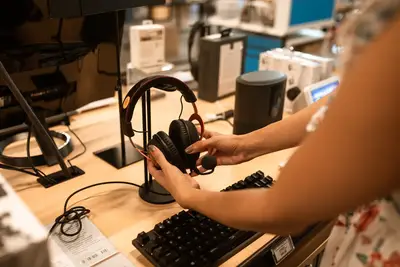
A user compares two different headsets side-by-side, looking at the thickness of the cables and the size of the plugs. A structured approach helps in making an informed decision.
To select the best audio equipment, follow these steps: 1. Identify the available jacks on your primary gaming device, such as 3.5mm or 4.4mm. 2. Inspect the durability of the cables and the type of plating on the connectors. 3.
Verify if the device supports balanced versions for better signal-to-noise ratios. 4. Perform a final check to ensure the jack fits snugly without wobbling.
I once swapped a 2.5mm cable for a 3.5mm version to ensure my headset stayed connected during a long session. This practical step prevents sudden audio dropouts.
The limitation of this comparison is that the specific impact of connector size on frequency response is not explicitly detailed in the provided technical specifications.
- What are the basics of audio connectors?
- How much of an impact does used hardware have?
- Managing electronic waste and sustainability
The same subject is also called Best gaming audio sound.
The same subject is also called Frequency response gaming.
This part also covers Audio quality selection criteria.
This part also covers Understanding gaming audio specs.
Related
- Gaming audio usage tips: Guide to award history and context
- Gaming audio tech evolution: Best tips for sound design
How does the difference between connection type and sound quality manifest? 3.5mm or 2.5mm jacks provide portability, which is a condition that contrasts with the durability offered by a 6.35mm jack in stationary setups. If the connection is not secure, signal interference can cause the loss of high-frequency details, which is a direct consequence of a poor physical interface. The difference between a stable connection and a loose one directly affects the clarity of the acoustic signal.
When considering the difference between high-fidelity and standard audio, the 4.4 mm Pentaconn connector exists for specialized applications. This specialized connector suggests a higher standard for sound reproduction compared to the common consumer jacks.
A user must weigh the portability advantage against the potential signal integrity of the chosen hardware.
What cautions should guide the purchase of used audio gear? When examining used audio equipment, users must verify that the connectors show no signs of wear or damage. This caution is critical because reliable audio quality depends upon the physical integrity of the components. The difference between a functional used item and a faulty one rests entirely on the condition of its jacks and cables.
Checking the physical condition of jacks and cables is paramount when acquiring pre-owned gear, especially given the high percentage of used electronics found in global imports.
This inspection helps mitigate the risk associated with the secondary market and ensures the equipment meets performance expectations.





Comments 0