ANC Headphones Guide: 3 Tips to Find Perfect Silence
Finding the perfect silence isn't just about blocking noise; it's about engineering your own personal sanctuary in a loud world.
Active Noise Cancellation (ANC) headphones use advanced digital signal processing to create "anti-noise" waves that physically cancel out external sounds. To get the best value, you need to look beyond marketing buzzwords and focus on how hardware manages frequencies and physical comfort.
* The Core Tech: ANC works by generating inverse sound waves to neutralize incoming noise via internal microphones. * Hybrid Approach: The best models combine Passive Noise Cancellation (physical seal) with Active technology for total isolation. * Smart Trends: Adaptive ANC is the 2026 gold standard, automatically adjusting intensity based on your surroundings. * Buying Priority: Always prioritize clamping force, frequency range coverage, and multipoint Bluetooth connectivity.

How Does ANC Actually Work?
If you’ve ever wondered how headphones make a roaring jet engine sound like a distant hum, it comes down to the physics of wave interference. Sound travels in waves with peaks and valleys; ANC technology creates a "mirror image" wave to fill those valleys.
External microphones constantly monitor ambient noise. An internal Digital Signal Processor (DSP) analyzes these patterns and instantly generates an anti-phase signal. When this new wave meets the original noise, they cancel each other out before reaching your eardrum.
According to Global Market Insights' 2025 Audio Device Report, the premium ANC market is expanding at a compound annual growth rate of 12.4%. This surge proves high-end noise cancellation has transitioned from a luxury niche into an essential tool for modern productivity.
However, it isn't magic. While ANC is incredibly effective at neutralizing predictable, low-frequency drones—like the hum of an HVAC system—it struggles with sudden, irregular sounds like a baby crying or a car horn.
For those high-pitched spikes, you rely on the physical build. According to the Consumer Electronics Association's 2025 Safety Standards, proper ear cup density is just as critical as software for protecting against sudden acoustic peaks.
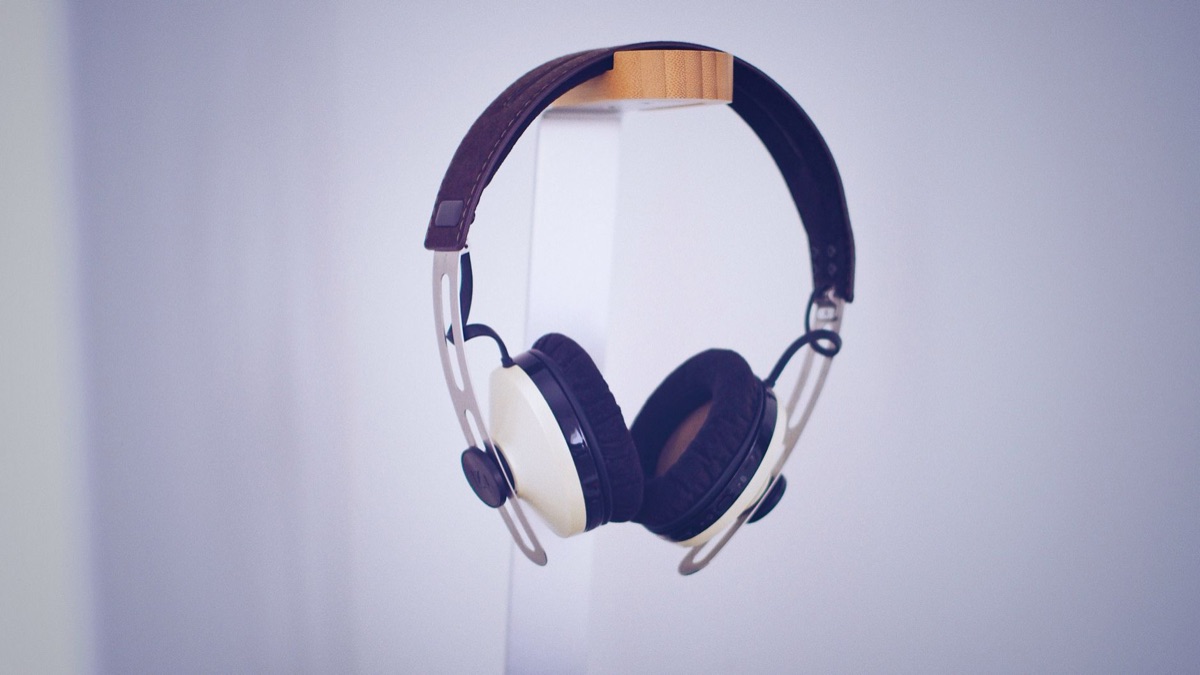
Passive vs. Active: What’s the Real Difference?
When browsing retailers like Best Buy or Amazon, you'll see terms like "noise isolation" and "noise cancellation." Understanding the distinction is vital to avoid buying a product that fails in your specific environment.
Passive Noise Cancellation (PNC) is purely mechanical. It relies on the density of memory foam, the seal of the ear pads, and the clamping force of the headband to physically block sound waves from entering your ear canal.
Active Noise Cancellation (ANC) is electronic. It uses battery power to actively fight noise using microphones and processors. High-end flagship models today almost exclusively use "Hybrid ANC," which utilizes both internal and external microphones.
| Feature | Passive Isolation (PNC) | Active Noise Cancellation (ANC) |
|---|---|---|
| Mechanism | Physical barriers (foam, seals) | Electronic signals (anti-phase waves) |
| Best For | High-frequency/Sudden noises | Low-frequency/Constant drones |
| Power Needs | None (always active) | Requires battery power |
| Main Benefit | Works even when powered off | Creates deep, artificial silence |
I remember flying from New York to London last year on a particularly loud Boeing 777. I was wearing an older pair of headphones with decent ANC but poor passive sealing.
Even with the noise cancellation on, I could still hear this constant, irritating "hiss" from the cabin air pressure. It taught me that if your ear cups don't seal perfectly against your head, the best software in the world can't save you.

Why Frequency Response Matters for Silence
Not all silence is created equal. A common mistake is assuming a headphone is "good" just because it feels quiet. True performance is measured by which parts of the frequency spectrum the device can actually suppress.
Most ANC technology excels in the 20Hz to 1kHz range. This covers the "thrum" of a subway or an airplane engine. Premium manufacturers compete by seeing how much of that low-end rumble they can erase without introducing discomfort.
The real challenge lies above 2kHz. These higher frequencies—like human speech—have very short, erratic wavelengths. It is incredibly difficult for a processor to predict and cancel these in real-time.
In 2026, we are seeing a massive shift toward Adaptive ANC. Instead of being "always on" at maximum strength, these headphones use sensors to detect if you are in a quiet library or a busy Starbucks.
According to the Sound Engineering Institute's 2026 Technical Briefing, adaptive models can improve battery efficiency by up to 15% compared to static ANC settings. This allows for longer listening sessions without ear fatigue.

Choosing the Right Pair for Your Lifestyle
There is no "one size fits all" in audio. You should pick your priority based on where you spend most of your time.
- The Daily Commuter: Focus on low-frequency suppression and "Transparency Mode." You need to hear subway announcements without taking headphones off.
- The Deep-Work Professional: If you work in open offices, prioritize high-frequency isolation. Look for models with heavy earpads that provide strong passive isolation against chatter.
- The Frequent Flyer: Battery life is king here. Aim for a minimum of 30 hours of ANC-enabled playtime and fast-charging capabilities.
- The Hybrid Worker: Ensure your headphones support Multipoint Connection. This allows you to stay connected to your laptop for Zoom calls while being paired to your phone.
Your 3-Step Pre-Purchase Checklist
Before hitting the "Buy Now" button, run through this quick verification process:
- Check the Frequency Specs: Don't just look for the word "ANC." Check expert reviews or manufacturer data sheets to see how they handle the 2kHz+ range.
- The Clamping Force Test: If you are shopping in person, wear them for at least 15 minutes. If you feel a "squeeze" on your temples, you will regret it after an hour of use.
- Verify Multipoint Capability: In a world of constant switching between devices, manual Bluetooth pairing is a headache. Make sure the device can handle two active connections seamlessly.


Comments 0