Nashville Sound team history: Early attendance tips guide
The foundation of a professional baseball franchise often begins with a patch of dirt and a strategic lease.
The Nashville Sounds originated as a Double-A Southern League expansion team, building a legacy through early attendance leadership and league transitions. This history covers their initial establishment, their era in the American Association, and their eventual move to Triple-A.
Key takeaways: 1. The team was established as a Southern League franchise with an initial cost of $7,500. * Early success was marked by leading the Southern League in attendance for seven consecutive years. 2. The franchise transitioned through various leagues, including the American Association and the Pacific Coast League.
How did the team establish its initial presence in Nashville?

A single dirt field and a handshake can define the start of a professional era. The team began when Schmittou was granted a franchise in the Southern League, a class Double-A circuit, for an enfranchisement cost of $7,500.
The initial cost represented the financial commitment required to secure the franchise rights.
The city's landscape provided the necessary ground for this new venture. The Metro Parks Board agreed to lease to Schmittou the site of Nashville's former softball fields on the grounds of Fort Negley, a Civil War fortification approximately two miles south of downtown, on which to build.
This location provided the physical foundation for the club's early years. The lease agreement allowed Schmittou access to the necessary acreage to construct a playing surface.
The team faced logistical hurdles during those first games. Tractors and grading machines were still preparing the field on game day, the electricity was turned on only 5 minutes before the gates opened, and the game's start was delayed 30 minutes because of traffic problems around the stadium.
The condition of the field preparation meant that the playing surface was not always ready before the scheduled start time. The sudden activation of the electricity just before the gates opened presented a logistical challenge for operations staff.
The traffic problems around the stadium demonstrated the difficulty of managing ingress and egress for a new venue in an established urban area. Despite these growing pains, the team found immediate popularity.
What were the early attendance trends for the Sounds? Nashville Sound team history
A crowd gathering at the gates signals the health of a new franchise. The Sounds led all of Minor League Baseball in attendance in their inaugural season and continued to draw the Southern League's largest crowds in each of their seven years as members of the league.
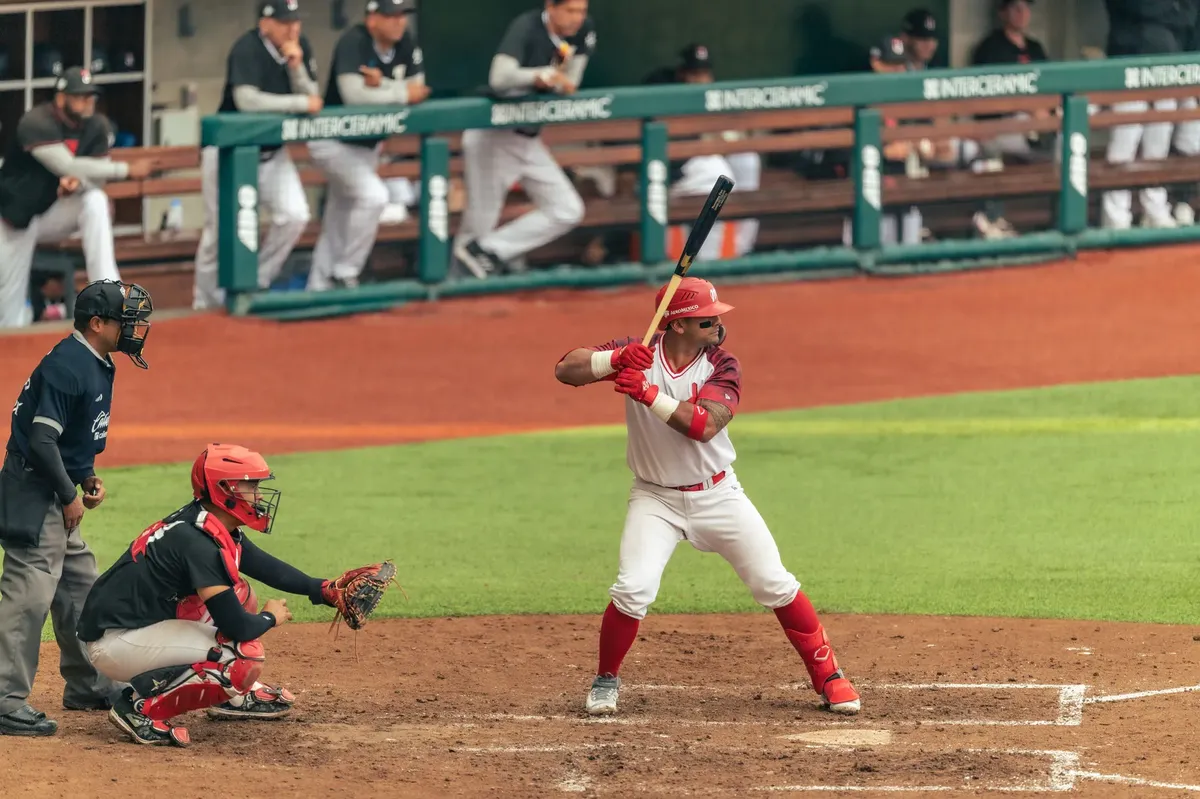
This consistent drawing power demonstrated the immediate acceptance of the franchise by the local populace.
The popularity of the team was a significant factor in its early stability. Nashville went on to lead the Southern league in attendance in each of their seven seasons of membership. This consistent support helped establish the brand within the local community.
The sustained high attendance provided a financial cushion that supported the team's operations during its formative years.
The local interest was not just about the games but about the presence of professional baseball itself. Nashville has been home to Minor League Baseball teams since the late 19th century.
The historical context of baseball in Nashville suggested a deep-rooted appreciation for the sport among the residents. This long tradition of baseball attendance provided a cultural backdrop for the Sounds' success.
How did the team transition through different leagues?
Moving between leagues requires adapting to new competitive landscapes and organizational structures. The Sounds became members of the Triple-A Pacific Coast League in 1998 following the dissolution of the American Association after the end of the previous season.
According to Association after the end of the, the Sounds became members of the Triple-A Pacific Coast League in 1998 following the dissolution of the American Association after the end of the previous season.
According to the International League and Pacific Coast League, the American Association disbanded after the 1997 season, leading to its teams being absorbed by the International League and the Pacific Coast League (PCL).
This transition marked a significant step up in the level of competition the team faced.

The team's league history is marked by several significant shifts. The American Association, of which the Sounds had been members since 1985, disbanded after the 1997 season, and its teams were absorbed by the two remaining Triple-A leagues—the International League and Pacific Coast League (PCL).
The absorption process meant that the Sounds had to integrate into the structure of one of the surviving Triple-A leagues.
These shifts changed the level of competition and the path for player development. In conjunction with Major League Baseball's reorganization of Minor League Baseball in 2021, Nashville was placed in the Triple-A East, which became the International League in 2022.
The reorganization procedure affected the classification and placement of many minor league teams across the country.
What was the most successful era for the team?
A winning season brings a sense of validation to years of hard work. Despite being blanked by their major league affiliate, the Sounds experienced their most successful campaign in the American Association in 1990, when they compiled an 86–61 record under manager Pete Mackanin.
The 1990 season represented a peak performance relative to the team's historical output in the American Association.
The team's performance in the league varied over time. They rarely contended for the American Association championship, making only three appearances in the postseason during their 13 years in the league.
The infrequent postseason appearances indicate that while the team was competitive, consistent championship contention remained an elusive goal for the franchise during that period.
The identity of the team remained strong through these various competitive cycles. The team maintained a recognizable brand presence even when its on-field results did not reflect championship contention.
How was the stadium usage managed during the 1990s?
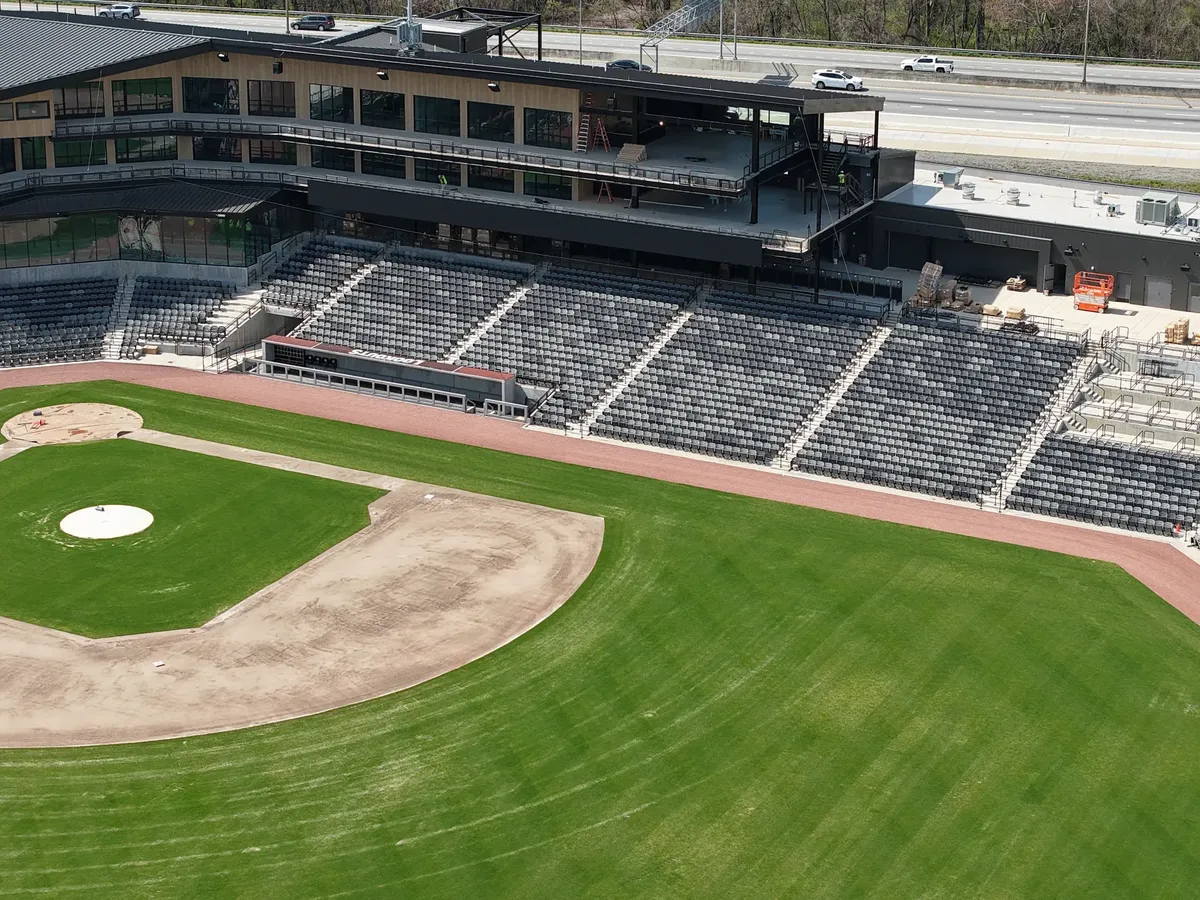
Sharing a venue requires careful coordination between different organizations. Greer Stadium was shared between the Sounds and the Southern League's Nashville Xpress, previously known as the Charlotte Knights, during the 1993 and 1994 seasons.
The procedure for managing shared use involved scheduling and resource allocation between the two competing teams.
Managing multiple teams in one space was a practical necessity for the era. The condition of needing to accommodate two teams simultaneously dictated the shared usage model.
| Period | Shared Use |
|---|---|
| 1993 Season | Sounds and Nashville Xpress |
| 1994 Season | Sounds and Nashville Xpress |
I remember reading about how these different teams navigated the same field. The navigation required a system of operational procedures to ensure both teams could utilize the facilities effectively and without conflict.
What were the limitations of the early franchise model?
A franchise's growth is often limited by the availability of infrastructure and local government support. Schmittou was told by multiple Major League Baseball (MLB) teams that they would be willing to put a minor league affiliate in Nashville if he provided a suitable ballpark.
The requirement for a suitable ballpark served as a critical prerequisite for securing an MLB affiliate.
Financial constraints played a role in the decision-making process. Schmittou learned from a member of the Metro Board of Parks and Recreation that neither the Parks Board or the city of Nashville would be willing to pay for such a park.
This lack of municipal funding presented a major financial hurdle to the franchise's development.
The limitations of the era were often tied to the lack of dedicated, modern facilities. The condition of lacking dedicated facilities meant that the team had to operate within the constraints of existing, non-modern infrastructure.
According to The Metro Parks Board, The Metro Parks Board agreed to lease to Schmittou the site of Nashville's former softball fields on the grounds of Fort Negley, a Civil War fortification approximately two miles (3.2 km) south of downtown, on which to
- How did the team establish its initial presence in Nashville?
- What were the early attendance trends for the Sounds?
- How did the team transition through different leagues?
The subject here is Nashville Sound team history.
The same subject is also called Sound team founding story.
The same subject is also called Minor league baseball Nashville.
The same subject is also called 1978 Southern League team.
The same subject is also called Nashville baseball beginnings.
This part also covers Nashville Sound team early seasons.
This part also covers How Nashville Sound started.
Nashville Sound team early seasons
Related





Comments 0