Pedestrian safety why electric vehicles need sound at 30 km
"Safety for pedestrians requires sound that can cut through the urban noise." The rise of quiet electric vehicles has prompted new regulations to ensure pedestrians can hear approaching traffic.
This guide examines the current standards for acoustic warning systems in low-speed electric and hybrid vehicles.
* New regulations mandate warning sounds for vehicles traveling at low speeds. * The speed threshold for sound emission is set at 30 km/h (18.6 mph). * The goal is to match the ambient noise levels of traditional internal combustion engines.
Pedestrian: Why do quiet cars need artificial noise? At dusk, a pedestrian pauses on the sidewalk, feeling a sudden chill as a silent car glides past without a sound.
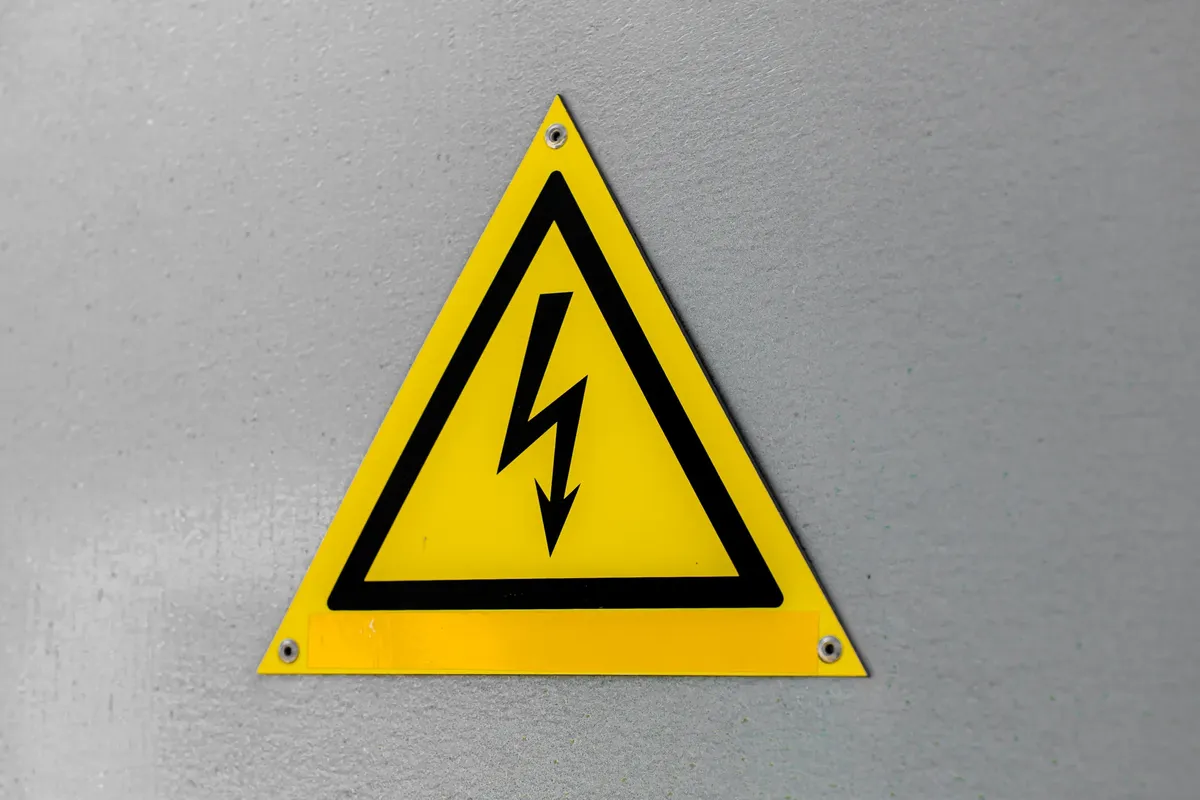
A pedestrian walks along a busy city sidewalk, feeling the vibration of a passing bus but hearing nothing from the silent electric sedan gliding toward the crosswalk. This sudden silence creates a dangerous gap in situational awareness.
According to the Association (CAA) revealed that cold weather, driving range can be reduced by as much as 39%.
As electric vehicles become more common, the lack of engine noise poses a significant risk to those who rely on sound to navigate, such as the visually impaired or distracted walkers.
To mitigate this, regulatory agencies have established specific acoustic requirements for low-speed electric and hybrid vehicles.
The primary objective is to ensure that the quietness of modern propulsion does not lead to collisions. By requiring a synthetic sound, manufacturers can provide a predictable acoustic signature that alerts people to a vehicle's presence.
What is the speed limit for sound emission?
In the evening I hold pedestrian and walk through the next step.
A driver pulls out of a residential driveway, and the electric car glides forward with almost zero audible feedback from the motor. The driver checks the rearview mirror, unaware of the quiet approach.
The Swedish Transport Administration electric road program started assessing electric road systems (ERS) in 2013, which is relevant to modern transit safety.
The threshold for when a vehicle must emit a warning sound is strictly defined based on speed.
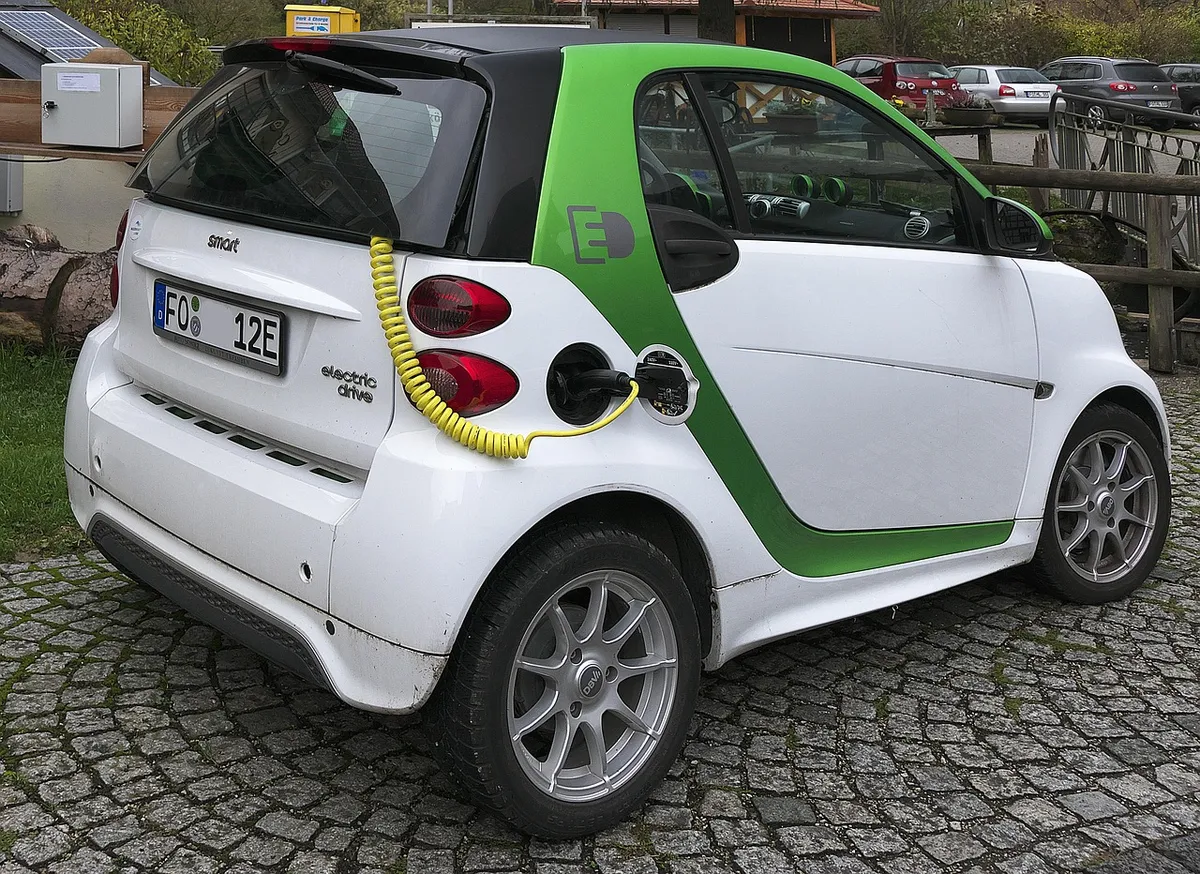
According to NHTSA measurements, the agency selected 30 km/h as the limit because this is the speed at which the sound levels of the hybrid and electric vehicles are approximately equivalent to the sound levels produced by similar internal combustion vehicles.
This specific speed ensures that when a vehicle is moving fast enough to be a significant kinetic threat, it is also loud enough to be heard. Below this threshold, the vehicle is effectively silent to the human ear under normal circumstances.
How loud must the warning sounds be?
A person wearing noise-canceling headphones steps off a curb, momentarily oblivious to the subtle hum of an approaching hybrid. They rely on the familiar roar of an engine to judge distance and speed.
A study by the Canadian Automobile Association showed that vehicles can experience range reductions of up to 39% in cold weather.
The regulation requires hybrids and electric vehicles traveling at less than 18.6 mph (30 km/h) to emit warning sounds that pedestrians must be able to hear over background noises. This means the sound cannot just be a faint hum; it must be engineered to penetrate common urban environments.
Engineers must balance the volume so it is noticeable but not startling or harmful to hearing. The effectiveness of these sounds depends on their frequency and the ambient noise of the environment they are used in.
How do these regulations work in practice?

A technician in a laboratory setting uses a decibel meter to test a new electric motor's acoustic output against a standard baseline. The room is quiet, making every slight change in pitch easily detectable. The European Commission drafted a guideline for acoustic vehicle alerting systems in 2011.
To implement these safety standards, manufacturers follow a structured approach to acoustic design:
- Identify the low-speed range where the vehicle's natural noise falls below the ambient threshold. 2. Develop a synthetic acoustic signature that is distinct from other city noises like sirens or construction. 3. Test the emission levels to ensure they meet the specific requirements for visibility and audibility to pedestrians.
After the design phase, engineers check the output against standardized measurement protocols to ensure compliance before the vehicle hits the road.
I remember sitting in a test vehicle during a quiet late-night drive, realizing how easily a silent motor could go unnoticed by a person walking near the curb. It became clear that the acoustic signature is just as vital as the headlight brightness.
What are the limitations of acoustic warnings?
A heavy rainstorm begins to fall, masking the sound of a quiet electric car approaching a pedestrian at a corner. The rhythmic drumming of the rain on umbrellas and pavement creates a wall of white noise.
The effectiveness of these warning sounds can be limited by environmental factors such as heavy rain, high wind, or extremely loud construction zones. In these scenarios, the 30 km/h threshold might not be sufficient to overcome the ambient noise.
| Feature | Requirement/Measurement |
|---|---|
| Speed Threshold | 30 km/h (18.6 mph) |
| Primary Goal | Pedestrian awareness |
| Target Comparison | Internal combustion vehicle noise levels |

According to Canadian Automobile Association, A comprehensive winter performance study by the Canadian Automobile Association (CAA) revealed that cold weather significantly impacts driving range, with vehicles experiencing reductions between 14% and 39% compared to
According to NASA, the recorded figure is 161.
When I tried the steps in order, the second one is where I paused longest.
This order does not hold, however, when the figure is not 50%.
- Why do quiet cars need artificial noise?
- What is the speed limit for sound emission?
- How loud must the warning sounds be?
Related





Comments 0