What 1.78 km are the limitations of wireless connectivity?
"The range of a wireless connection is often limited by the walls of a room, yet the technology itself suggests a much broader horizon."
This 2026 new speaker comparison examines how modern wireless devices manage connectivity and range. This guide provides a look at technical standards, potential security vulnerabilities, and the physical limits of signal transmission to help you choose between high-performance models.

Key takeaways include understanding the difference between standard indoor use and extended range capabilities, recognizing pairing vulnerabilities, and knowing the historical context of wireless standards.
How does wireless range work in a 2026 new speaker comparison?
A technician adjusts a directional antenna on a testing bench to see how far a signal travels. While most consumers use devices within a few meters, certain setups allow for much longer distances.
Some such devices allow open field ranges of up to 1 km and beyond between two similar devices without exceeding legal emission limits. This capability depends heavily on the environment and the specific hardware used to manage signal strength.
In August 2004, a world-record-setting experiment showed that the range of Class 2 Bluetooth radios could be extended to 1.78 km (1.11 mi) with directional antennas and signal amplifiers. This shows that professional-grade equipment can push boundaries far beyond standard consumer expectations.
Could my Bluetooth speaker compromise my security?
In the quiet of the midnight office, a sudden chill runs down her spine when she discovers the security limitations of the device. Under the dim light of the office, a user felt a sudden chill as they realized the pairing process had bypassed certain security limitations.
A user enters a PIN on a smartphone to complete a pairing process with a new speaker. While convenient, the ease of connection can sometimes introduce technical weaknesses.
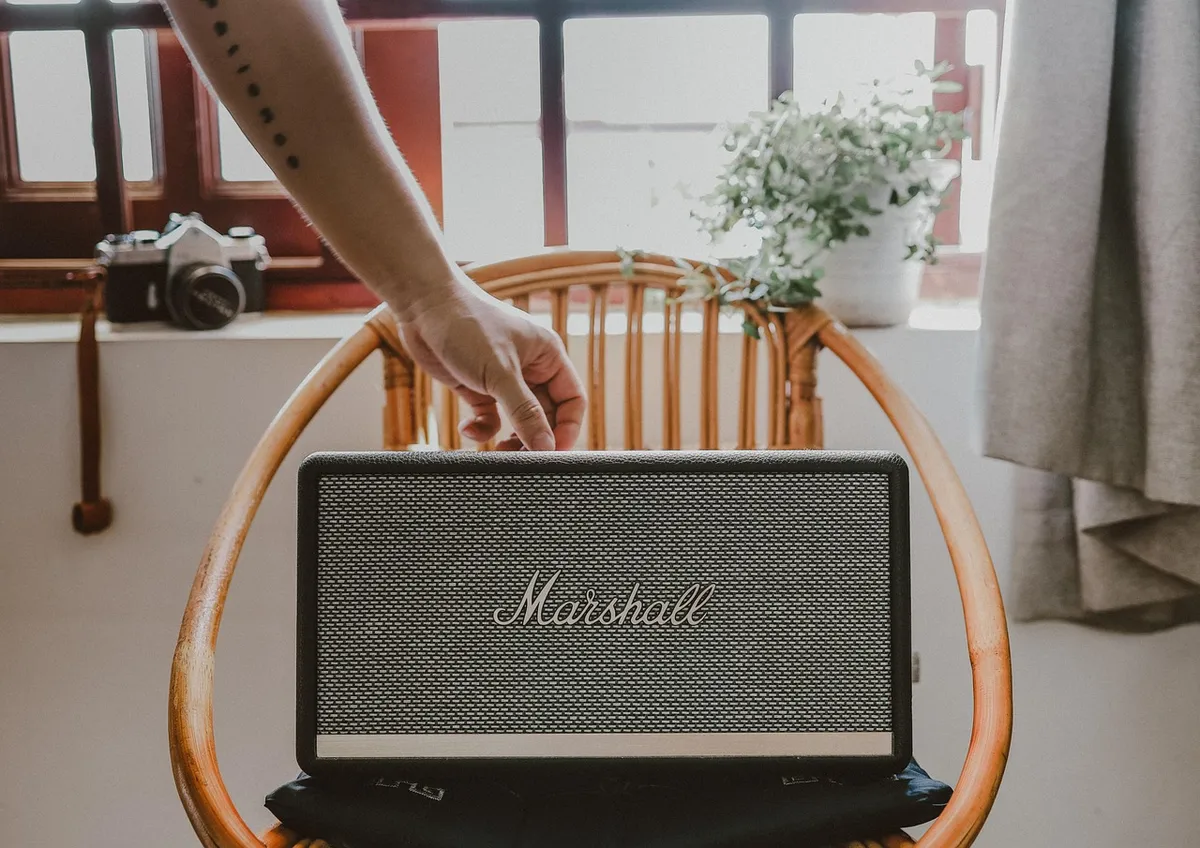
In July 2018, Lior Neumann and Eli Biham, researchers at the Technion – Israel Institute of Technology identified a security vulnerability in the latest Bluetooth pairing procedures: Secure Simple Pairing and LE Secure Connections.
This finding highlighted that even modern pairing methods can have flaws.
Understanding these vulnerabilities is a core part of a bluetooth speaker feature review. Users should remain aware that the convenience of wireless pairing requires attention to the specific security protocols being utilized.
How will speaker value compare to past standards? An engineer reviews a stack of technical manuals to understand the evolution of wireless protocols. The history of these standards dictates how modern hardware communicates.
The Institute of Electrical and Electronics Engineers (IEEE) standardized Bluetooth as IEEE 802.15.1 but no longer maintains the standard. This transition means that much of the current technology is built upon established, rather than actively updated, foundational protocols.
When evaluating speaker price performance 2026, it is helpful to know that modern reliability often stems from these legacy standards. Understanding the shift from IEEE 802.15.1 helps explain why current devices are so much more stable than early models.
How can users manage security for a new speaker sound quality?
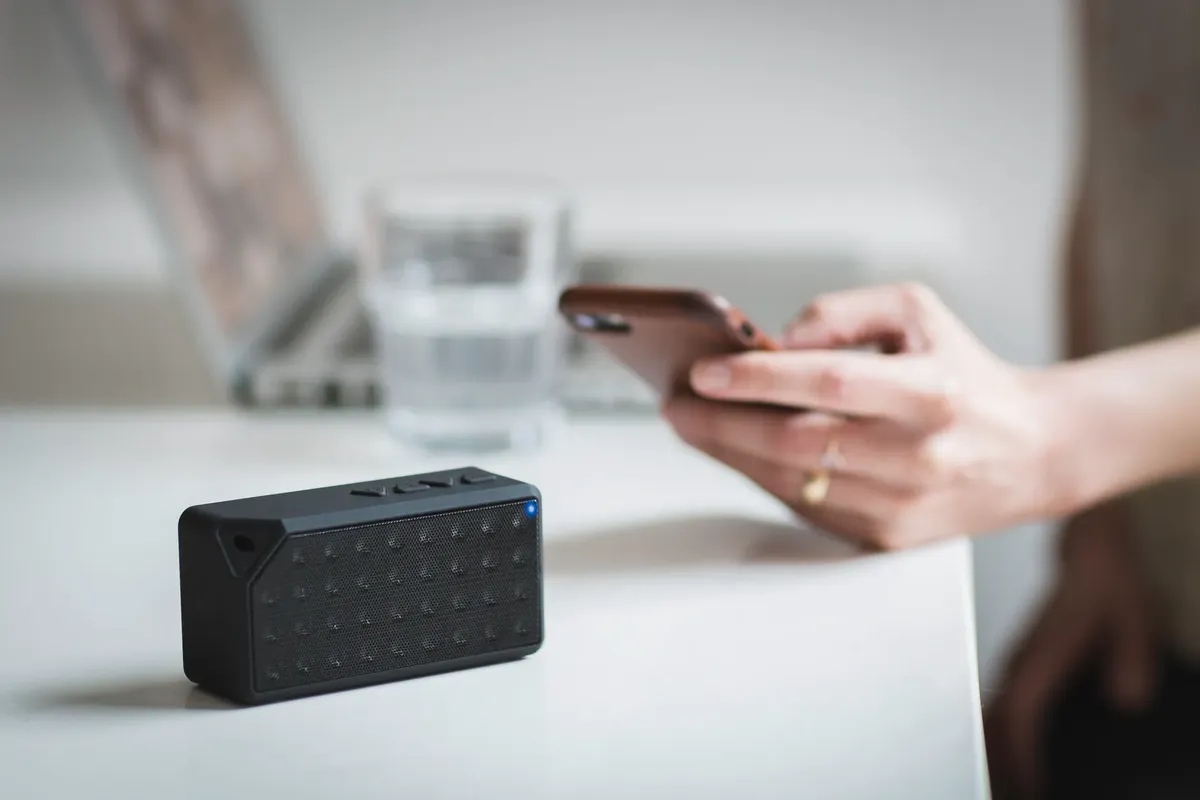
A person checks the settings menu on a mobile application to ensure a secure connection. Managing these settings is vital for maintaining both privacy and new speaker sound quality.
In September 2008, the National Institute of Standards and Technology (NIST) published a Guide to Bluetooth Security as a reference for organizations. This guide serves as a foundational document for understanding how to protect wireless communications.
To manage your device safely, follow these steps:
- Review the pairing method being used to ensure it meets current security expectations. 2. Check for software updates that might address known vulnerabilities in pairing procedures. 3. Verify that the device is not being used in an environment that exposes the signal to unauthorized interception.
I once spent an afternoon comparing these security settings against the documentation to ensure my home setup was robust. A final check of the connection strength against the distance ensures the signal remains stable and secure.
What are the limitations of wireless connectivity?
A person walks toward the edge of a garden, watching the connection to their speaker flicker. The physical environment is the most significant variable in wireless performance.
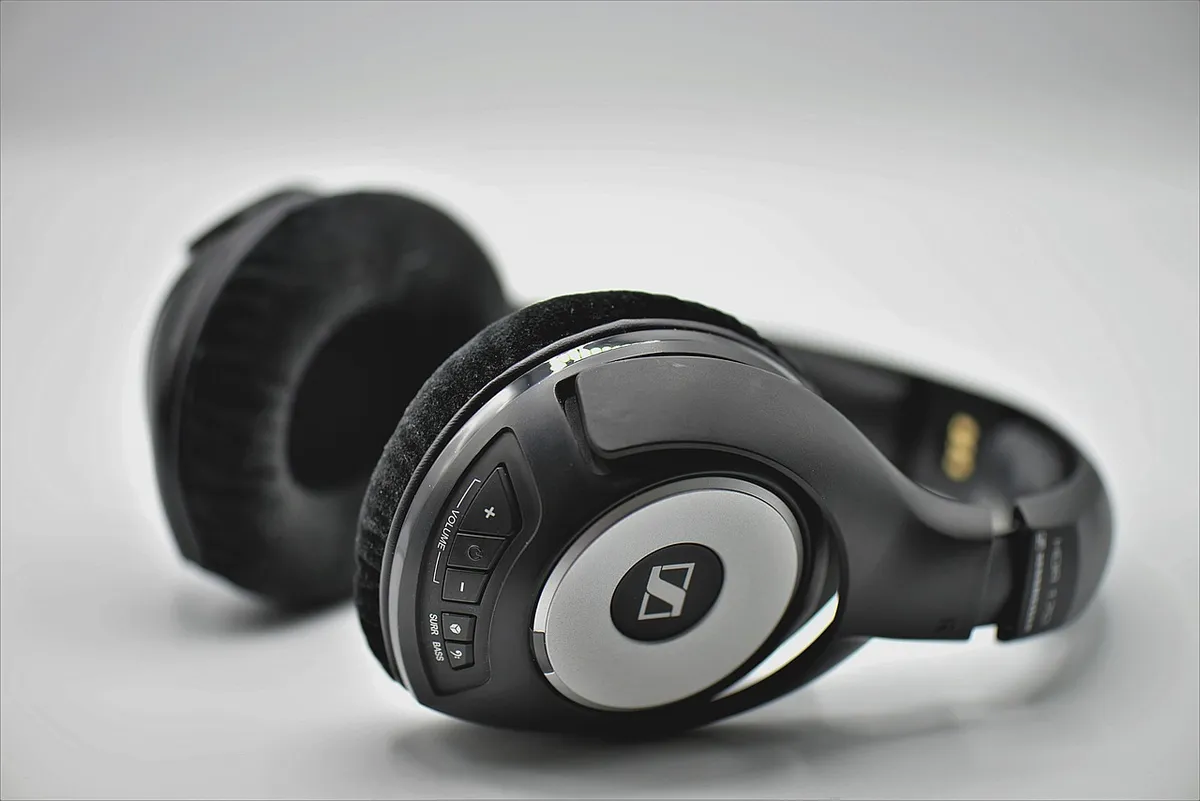
A limitation of these technologies is that the maximum range is often dependent on specific hardware configurations, such as the use of directional antennas or amplifiers.
Without these specialized tools, the range remains much more restricted than the theoretical maximums seen in laboratory experiments.
The subject here is 2026 new speaker comparison.
The same subject is also called best bluetooth speaker 2026.
This part also covers top rated bluetooth speakers 2026.
This part also covers new speaker technology comparison.
This part also covers manufacturer speaker lineup review.
top rated bluetooth speakers 2026
Related
- Is 11.6 mm there a guide for comparing battery life?
- Wireless Earbuds Guide: Tips For Choosing Earbuds By Price
How does environmental interference affect wireless range? 1. Physical obstacles, such as walls, inherently limit the practical range of a wireless connection. 2. The signal transmission capability is heavily influenced by the surrounding environment, which dictates the achievable range. 3. Even with high-performance hardware, dense structures can significantly reduce the effective wireless range compared to open field conditions.
What are the conditions for achieving extended wireless range? 1. Extended range capabilities depend significantly on the specific hardware employed to manage signal strength. 2. Professional-grade equipment, like directional antennas and signal amplifiers, enables pushing boundaries beyond typical consumer expectations for wireless range. 3. The successful achievement of long-distance wireless range requires favorable environmental conditions alongside specialized hardware.
The comparison of wireless technology underscores the trade-off between ease of use and the inherent technical limitations of wireless signal propagation. Recognizing these constraints is crucial when evaluating any new wireless device.
When considering the historical context of wireless standards, one must appreciate how foundational protocols continue to underpin modern wireless capabilities, even as newer features emerge.
Wikipedia: Bluetooth Based on the retained excerpt mentioning National Institute of Standards: In September 2008, the National Institute of Standards and Technology (NIST) published a Guide to Bluetooth Security as a reference for organizations.


Comments 0