Gaming audio buying guide: Guide to driver size 50 mm
"The right sound can change the way a player interacts with a virtual world, turning a simple match into a professional-grade experience."
When looking for a gaming audio buying guide, players must balance technical specifications like driver size and connectivity with specific use cases like tournament play or streaming. This guide examines how to select gear based on input types, noise reduction, and specialized branding.
Key takeaways include understanding input compatibility, recognizing the value of professional partnerships, and evaluating spatial audio features.
What should I look for in my gaming audio? Late at night in a dark room, I press the headset against my ears to test how the gaming audio captures every subtle footstep.
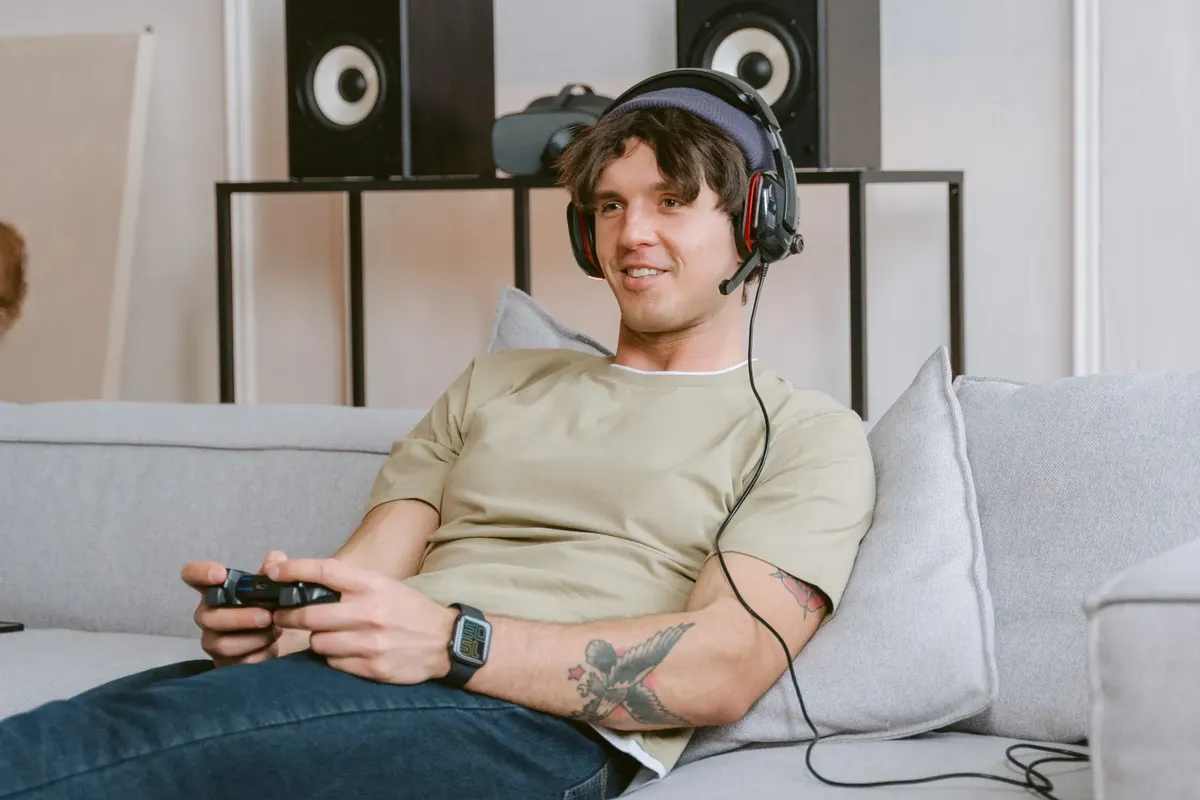
A player sits at a desk, adjusting the volume on a headset to ensure every footstep in a digital environment is audible. Choosing the right gear requires looking beyond mere aesthetics to technical compatibility and specialized features.
A primary consideration is the input and output versatility of the device. For instance, some advanced setups support both XLR and 3.5 mm inputs, which allows for more flexible connectivity in professional environments.
Some devices also feature AI noise reduction to ensure clear communication during intense gameplay.
When evaluating a gaming audio buying guide, you should check if the hardware meets your specific platform needs. For example, some headsets come with official PlayStation licensing, which ensures seamless compatibility with console environments.
Understanding these technical nuances helps prevent buying gear that might not work with your current setup.
How do I choose the right gaming sound? While sitting at my desk, I run my fingers over the textured ear cups to evaluate the gaming sound selection criteria through touch.
A gamer reaches for a headset, feeling the weight of the ear cups and checking the cable length before plugging it in. Identifying the right sound profile involves understanding how different drivers and surround sound technologies impact immersion.
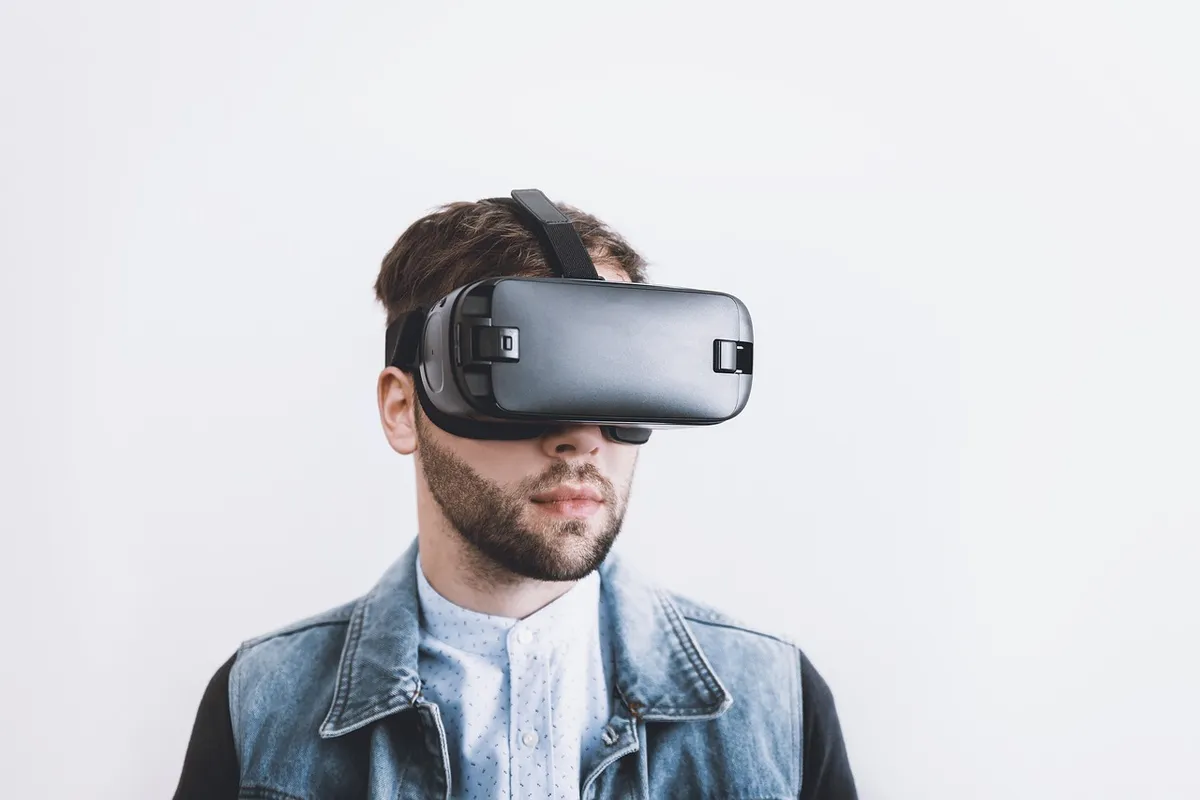
The hardware components, such as driver size, play a significant role in sound quality. For example, some wired gaming headsets feature a 50 mm driver to provide specific audio characteristics.
Additionally, features like 7.1 surround sound can significantly alter how spatial cues are perceived during gameplay.
Effective gaming sound selection criteria often involve comparing these physical attributes against the expected use case. While large drivers might provide better bass, the specific tuning of the headset determines its effectiveness for competitive play.
Choosing between wired and wireless options also dictates the level of latency and freedom of movement.
How to choose the right gear for your setup?
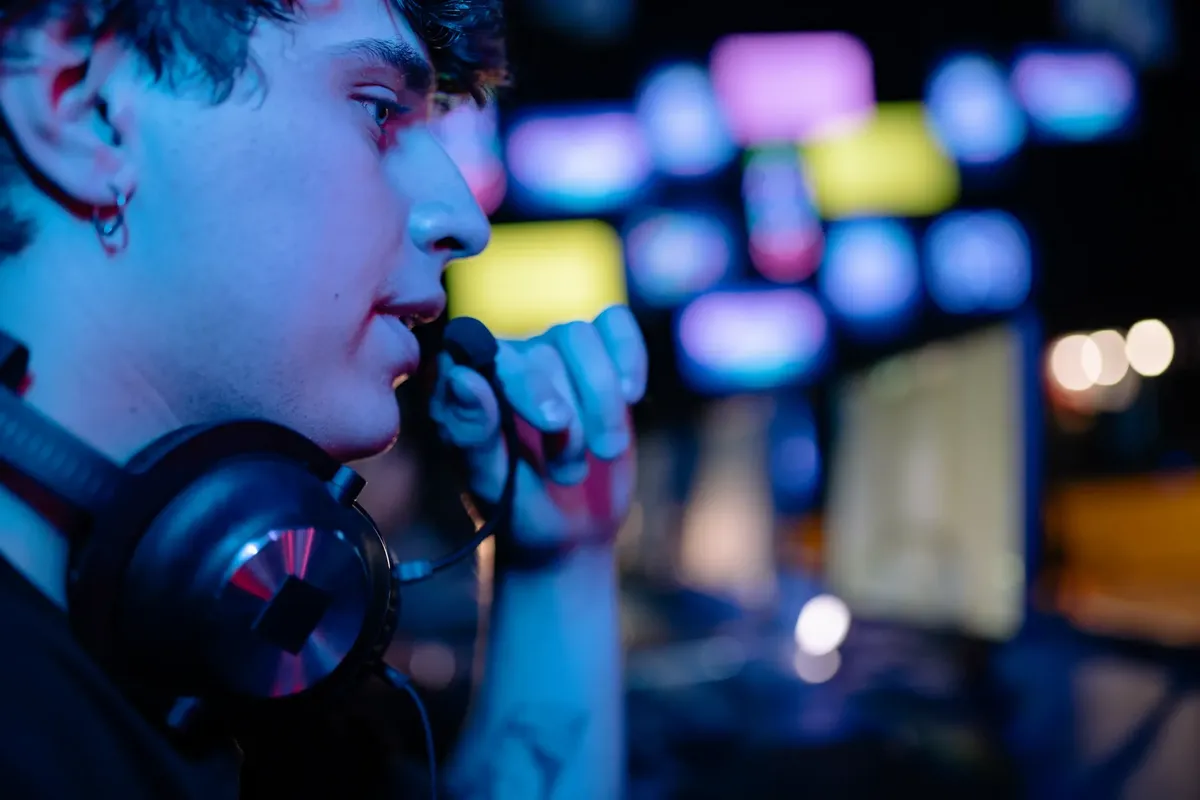
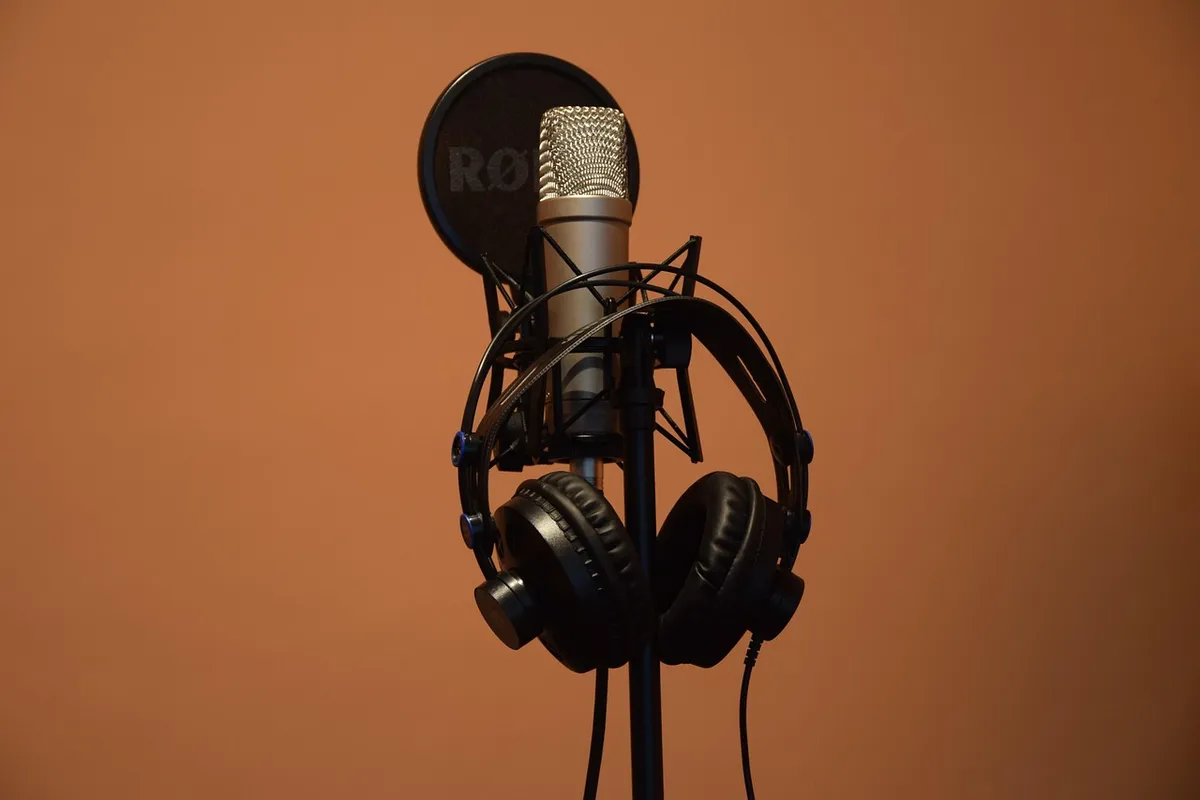
The room is quiet as a streamer adjusts a mixer, connecting multiple microphones and headphones to a central hub. Selecting equipment requires a systematic approach to ensure all components work together harmoniously.
To find the best gaming sound gear, follow these three steps:
- Verify input compatibility to ensure your headset or microphone can connect to your existing PC, console, or mixer. 2. Assess the essential features, such as noise reduction or specialized sound pads, that match your primary activity like streaming or competitive gaming. 3. Check the physical comfort and driver specifications to ensure long-term usability during extended sessions.
I remember checking the input ports on my old mixer to ensure my new headset would actually connect without an adapter. This kind of practical verification is essential to avoid wasted investment.
A limitation of this selection process is that hardware compatibility can vary significantly between different brands and specific console generations.
Best gaming sound gear comparison
A technician compares two different headsets side-by-side, noting the differences in build and connectivity. Understanding the differences between specialized tournament gear and consumer-grade models is vital for different types of players.
| Feature Type | Specialized Tournament Gear | Consumer-Grade Headsets |
|---|---|---|
| Design Focus | Designed specifically for tournament play | Focused on general consumer use |
| Branding/Partnership | Often involves professional gaming partnerships | Focused on broad market availability |
In 2012, a partnership with Major League Gaming (MLG) resulted in the release of headsets specifically designed for tournament gaming alongside consumer headsets with official MLG branding. This distinction shows how gear is often segmented into professional and casual categories.
Gaming headset tips for different environments
A player moves from a quiet bedroom to a noisy living room, switching headsets to adapt to the changing environment. Different environments require different levels of isolation and noise management.
When applying gaming headset tips to a specific condition, such as a loud room, you must prioritize noise isolation. If you are in a noisy environment, look for features like AI noise reduction to keep your voice clear.
For those using a gaming audio setup, the environment dictates the necessary features. A student in a dorm might need high-isolation ear cups, while a streamer in a controlled room might focus more on microphone quality.
Selecting gear based on your physical surroundings ensures the best possible audio performance.
Related
- Bluetooth speaker sound quality guide: 1.78 km range guide
- EV warning sound system: Guide to low-speed safety tips
How does the right sound impact competitive play? The right sound transforms a casual match into a professional-grade experience because precise audio cues are critical for competitive success. 1. Spatial audio features allow players to pinpoint enemy locations accurately within the virtual world. 2. High-fidelity drivers ensure that subtle sounds, like footsteps, are not lost in the mix. 3. Effective noise reduction keeps player communication clear even when external sounds are present. According to Major League, a 2012 partnership with Major League Gaming (MLG) resulted in the release of headsets specifically designed for tournament gaming and consumer headsets with official MLG branding.
What are the cautions when selecting gaming sound? A caution when selecting gaming sound is that hardware compatibility varies substantially between brands and console generations. 1. Always verify input compatibility before making a purchase to prevent connection issues. 2. Consider the specific use case, such as streaming versus tournament play, when evaluating features. 3. Recognize that while large drivers might boost bass, the tuning dictates suitability for competitive scenarios.
When considering the right sound for streaming, the focus shifts toward microphone quality and clear voice transmission. This contrasts with tournament gear, where pinpoint accuracy of in-game audio is paramount. The selection process must account for these differing priorities.
For users engaging in extended gaming sessions, checking physical comfort alongside driver specifications is a necessary procedural step. This ensures that the gear remains usable throughout long periods of intense engagement, which is a key aspect of any professional-grade experience.



Comments 0