What 9 hours are the new speaker features now for travelers?
"The wireless audio market is shifting toward portability and ruggedness, where battery life and durability define the consumer experience."
The 2026 new speaker trends emphasize a balance between high-performance audio and extreme portability. Consumers are increasingly looking for rugged designs with long battery life, while also navigating the complexities of wireless security and connectivity.

This guide examines market shifts, compares battery capabilities, and addresses common connection issues.
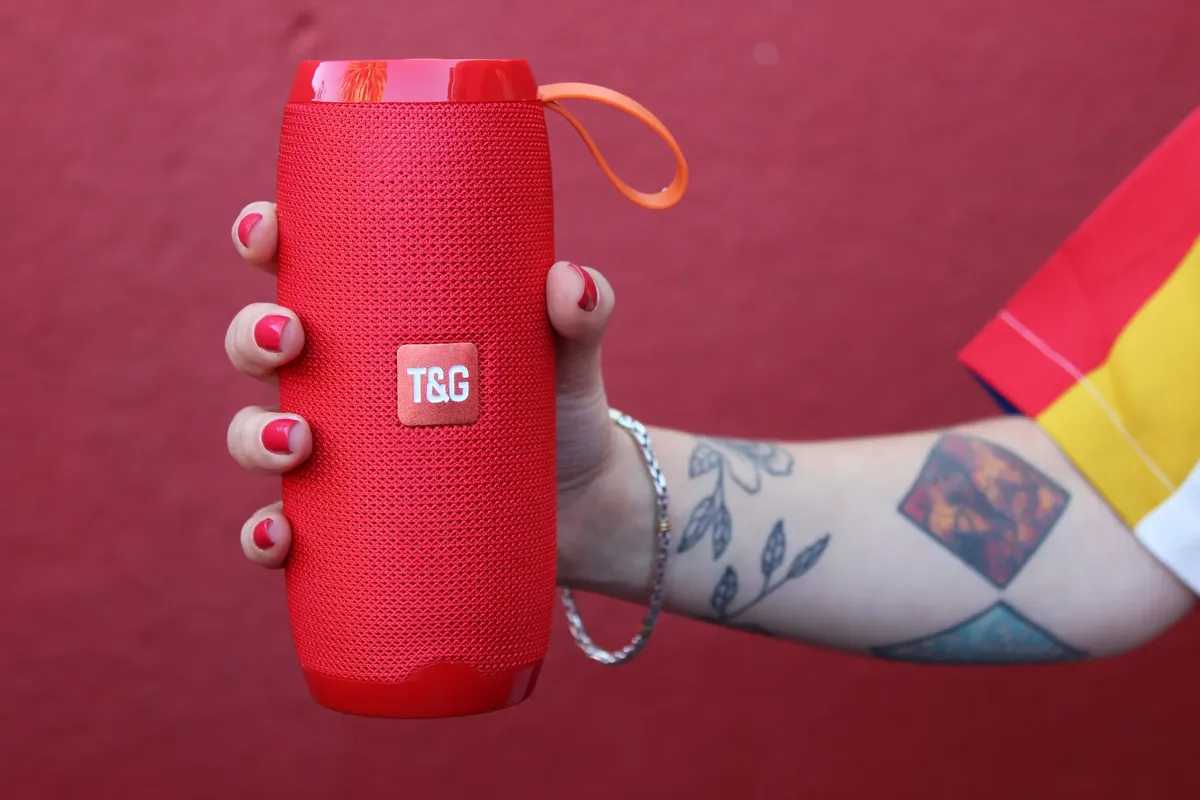
What will the 2026 speaker trends look like? A person holds a compact device with a removable strap, feeling the textured grip while preparing for an outdoor excursion. The shift toward rugged, portable devices is a primary driver in the current market.
The wireless audio market 2026 is characterized by devices that combine durability with extended usability. For instance, certain compact models feature an IP67 dustproof rating and a removable strap for ease of transport.
These features cater to users who require reliable sound in unpredictable environments.
The focus on next gen sound quality often meets the practical need for long-lasting power. While high-fidelity audio is a priority, the ability to use a device for up to 12 hours on a single charge remains a critical benchmark.
This balance ensures that users can enjoy music throughout the day without constant interruptions.
- Integration of AI-driven acoustic tuning.
- Shift toward sustainable, modular hardware.
- Seamless multi-room ecosystem connectivity.
How do we analyze wireless audio market 2026 battery life? 2026 new speaker trends
While sitting in the quiet forest at dawn, I check the dimming light on my speaker to gauge how much power remains.
An individual plugs a small device into a wall outlet, watching the indicator light flicker as they prepare for a quick charge. Understanding how much power a device can hold is essential for planning an outing.
Analyzing speaker market shifts reveals a significant variety in power management strategies. Some devices offer a quick-charge function where five minutes of charging provides approximately 2.5 hours of playback.
Others focus on higher capacities, where a full charge might last around 12 hours, though this depends on volume levels and call frequency.
When comparing different models, the following table illustrates common battery performance scenarios:
| Feature Type | Performance Detail |
|---|---|
| Quick Charge | 2.5 hours of playback from 5 minutes of charging |
| Full Charge | Up to 12 hours of battery life |
I noticed that when I was streaming audio via Bluetooth, I achieved around 9 hours of playback. This reality means that while total capacity is often advertised higher, real-world use during active streaming may result in slightly different results.
In this sequence, the second step is the most extensive.
What new speaker features do I need for travel? A traveler reaches into a small bag and pulls out a pocketable case, feeling its lightweight structure. Portability is the key to modern wireless audio.
The new speaker features now include highly portable designs that fit easily into lifestyle accessories. Some models offer an average of 10 hours of battery life per charge, which may eliminate the need to carry a charging case.
For those who do carry a case, some designs are dental-floss-sized and pocketable.
These compact cases can provide significant extra power, such as an additional 30 hours of juice for extended trips. This level of energy density allows for long-term travel without the constant need for a wall outlet.
How can we address bluetooth speaker sound improvement?
A user sits at a desk, tapping the side of a speaker to troubleshoot a connection issue before turning the volume up. Improving the connection and sound quality is a constant goal for manufacturers.
The pursuit of advanced wireless connection tech often involves addressing software and pairing stability. While hardware improvements are vital, users frequently encounter issues like connection failures that require a device reset.
For example, some users have sought instructions on how to reset specific models to successfully connect to their phones.
The bluetooth speaker sound improvement is often limited by the hardware's physical constraints and the energy consumed by wireless protocols. While manufacturers work to optimize drivers, the stability of the wireless link remains a fundamental requirement for consistent audio quality.
Are there security considerations for wireless audio?
A person looks at their smartphone, wondering if their nearby Bluetooth device is secure. Security is a silent but vital part of the wireless experience.
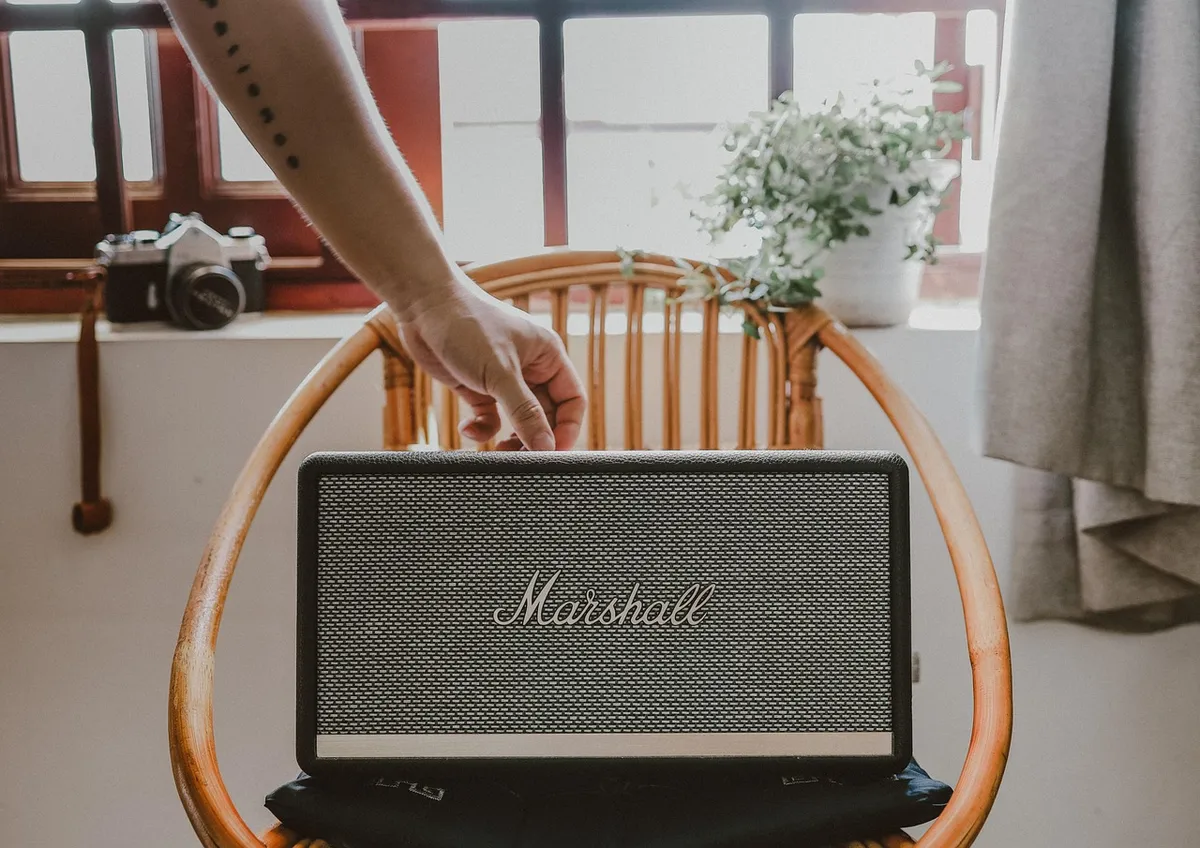
Security protocols are an essential part of the wireless ecosystem. In September 2008, the National Institute of Standards and Technology (NIST) published a Guide to Bluetooth Security as a reference for organizations. Maintaining these standards helps protect user data during wireless transfers.
Research has also highlighted the need for constant vigilance regarding software vulnerabilities.
In July 2018, Lior Neumann and Eli Biham, researchers at the Technion – Israel Institute of Technology identified a security vulnerability in the latest Bluetooth pairing procedures: Secure Simple Pairing and LE Secure Connections.
These findings underscore the importance of staying updated with the latest firmware to maintain connection integrity.
Related
- What 1.78 km are the limitations of wireless connectivity?
- Is 11.6 mm there a guide for comparing battery life?
What are the practical trade-offs in wireless audio design?
The design choices in modern wireless audio involve balancing several competing priorities. Manufacturers must reconcile the demand for high-fidelity sound with the necessity of extreme portability.
For example, incorporating a robust IP67 rating adds material bulk, which can affect the overall lightweight nature desired by travelers.
Battery capacity directly influences the physical size of the speaker, creating a direct comparison between longevity and compactness. A device engineered for maximum battery life might sacrifice some of the ultra-compact form factor that appeals to casual users.
This trade-off dictates the final consumer experience of the wireless audio product.
When should a user prioritize battery life over sound quality?
Users prioritizing extended use should select devices advertised with the higher capacity ratings, such as those capable of 12 hours of playback. If an outing spans a full day without access to power, the extended battery life becomes the defining feature.
Conversely, a user needing pristine audio quality might accept a shorter battery life, knowing they can recharge frequently.
The stability of the wireless link is a condition that affects both sound quality and battery drain. A weak connection forces the device to expend more energy maintaining the link, which reduces the effective battery life.
The market continues to evolve, showing that the best wireless audio solutions successfully manage these inherent design conflicts.
Wikipedia: Bluetooth Based on the retained excerpt mentioning National Institute of Standards: In September 2008, the National Institute of Standards and Technology (NIST) published a Guide to Bluetooth Security as a reference for organizations.



Comments 0